Room Layout Simulator
Layout Analysis
Traffic Flow
Conversation Zone
Wall Hugging
Bed Desk Sofa Shelf
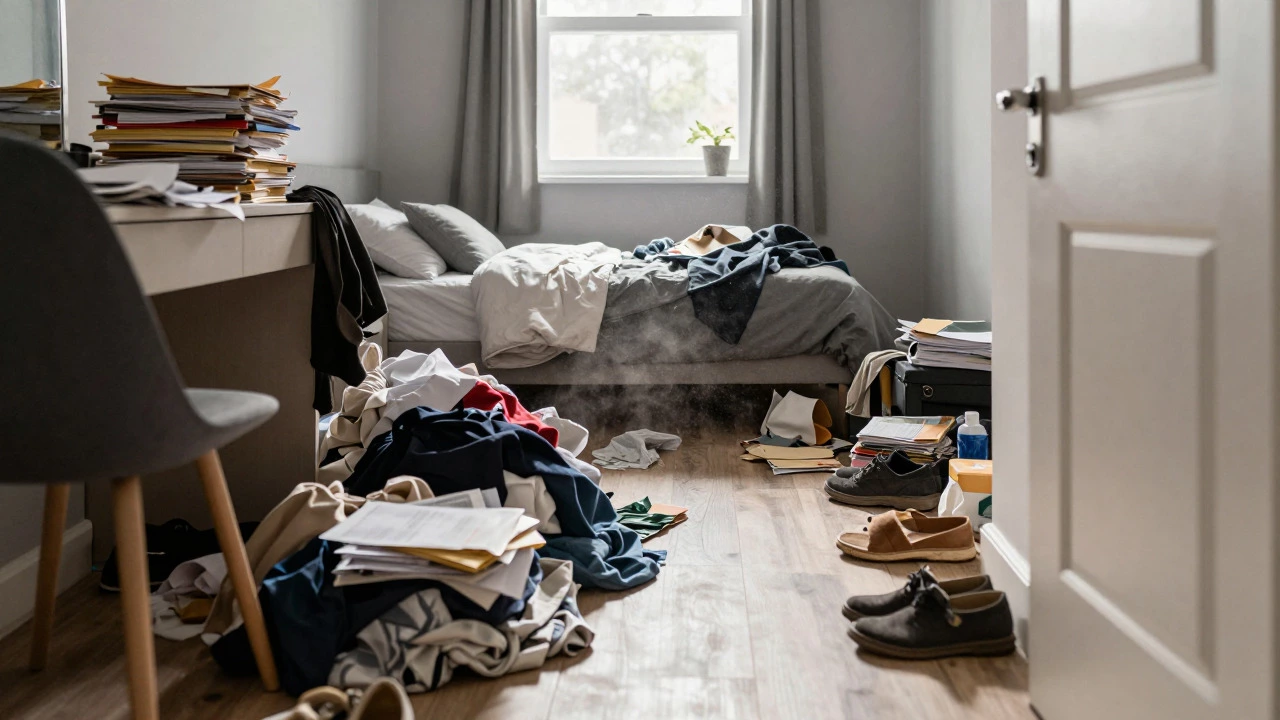
Walk into a room that feels heavy. The air seems thick with stuff you don't use. You trip over shoes by the door. You can't find your keys because they are buried under mail on the desk. This isn't just messy; it is bad design. Arranging a room properly isn't about making it look like a magazine photo. It is about making the space work for your daily life.
Most people treat room arrangement as an afterthought. They buy furniture and push it against walls because that's what everyone else does. But when you plan your room based on how you actually move through it, everything changes. You save time. You reduce stress. You even sleep better. Let's break down exactly how to do this without spending a fortune or hiring a professional organizer.
Clear the Canvas First
You cannot arrange a room if you are trying to arrange clutter. Before you move a single chair, you need to remove the noise. This step is non-negotiable. If you skip this, you will just be organizing chaos instead of creating order.
Start with a ruthless purge. Pick up every item in the room. Ask yourself three questions:
- Do I use this regularly?
- Does this serve a specific purpose here?
- Do I genuinely love looking at this?
If the answer is no to all three, it goes. Don't put it in a "maybe" box. That box becomes a tomb for your belongings. Donate clothes that don't fit. Toss broken electronics. Recycle old papers. When you clear the floor and surfaces, you reveal the true size of your room. You might be surprised by how much space you actually have.
What should I do with sentimental items I don't use?
Take photos of them and store the physical items in a designated memory box outside the main living area. Keep only one or two display pieces that bring you joy without taking up prime real estate.
Identify Your Primary Activity
Every room needs a job. What is the main thing you do in this space? Is it sleeping? Working? Reading? Watching TV? Hosting friends? Your answer dictates where the big furniture goes.
If it's a bedroom, the bed is king. It should be the focal point. If it's a living room, the seating area takes priority. If it's a home office, the desk anchors the room. Once you know the primary activity, you build the rest of the layout around it. Secondary activities get smaller zones. For example, in a bedroom, reading might be secondary. So, you place a small chair near a window, not in the center of the room.
Think about traffic flow. People need to walk from the door to the closet, the bathroom, or the window without dodging obstacles. Keep main pathways clear. A standard walking path needs about 24 to 36 inches of width. If you squeeze this too tight, the room will feel cramped and dangerous.
Position Key Furniture Pieces
Now comes the fun part: moving things. Start with the largest piece of furniture related to your primary activity. In most bedrooms, that is the bed. Place it against the longest wall, centered if possible. Avoid placing the headboard against a wall with windows if you can help it, as drafts and light leaks can disrupt sleep.
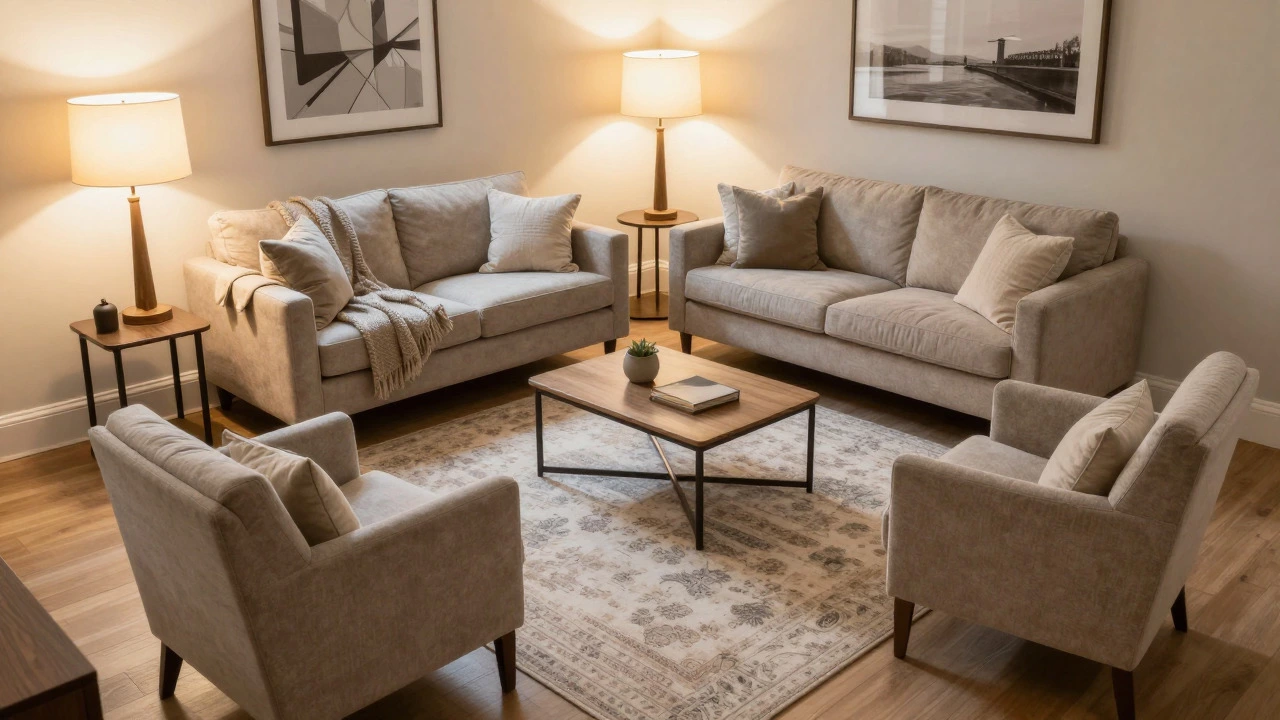
In a living room, arrange sofas and chairs to face each other, not just the TV. This encourages conversation. Create a "conversation circle." Make sure the distance between seats is comfortable-about 10 to 12 feet apart for easy talking. If you place furniture too far apart, people won't want to engage. Too close, and it feels intrusive.
Don't hug the walls. Pushing all furniture against the perimeter makes a large room feel empty and awkward. Pull the sofa away from the wall by a few inches. Use a rug to anchor the seating group. All front legs of the sofa and chairs should sit on the rug. This defines the zone visually.
Layer Lighting for Function and Mood
Lighting makes or breaks a room arrangement. Relying on a single ceiling fixture creates harsh shadows and flat lighting. Instead, use three layers of light.
- Ambient Light: This is your general illumination. Ceiling lights, recessed lighting, or large chandeliers provide this base layer.
- Task Light: This helps you do specific jobs. A lamp next to your reading chair. Under-cabinet lights in a kitchen. A focused desk lamp for work.
- Accent Light: This adds depth and interest. Picture lights above art. LED strips behind a TV. Candles on a side table.
Place lamps at eye level when seated. This prevents glare and creates a cozy atmosphere. Swap out harsh white bulbs for warm white (2700K to 3000K) in living areas and bedrooms. Save cooler, brighter light (4000K+) for kitchens and offices where focus is needed.
Create Vertical Storage Solutions
Floor space is expensive. Walls are free. Use vertical storage to keep floors clear. Install shelves above desks, doors, and beds. Use tall bookcases instead of wide ones. Hang hooks on the back of doors for bags and coats.
Group similar items together. Store books by genre or color. Keep cleaning supplies in one bin. Put remote controls in a dedicated tray. When everything has a home, it stays there. Use baskets and bins to hide visual clutter. Clear containers work best for items you need to see quickly, like snacks or craft supplies. Opaque bins are better for miscellaneous odds and ends.
Add Personal Touches Without Clutter
An arranged room should feel like yours, not a showroom. Add personal touches, but do so intentionally. Choose a few meaningful items to display. A favorite photograph. A souvenir from a trip. A plant that brings life to the space.
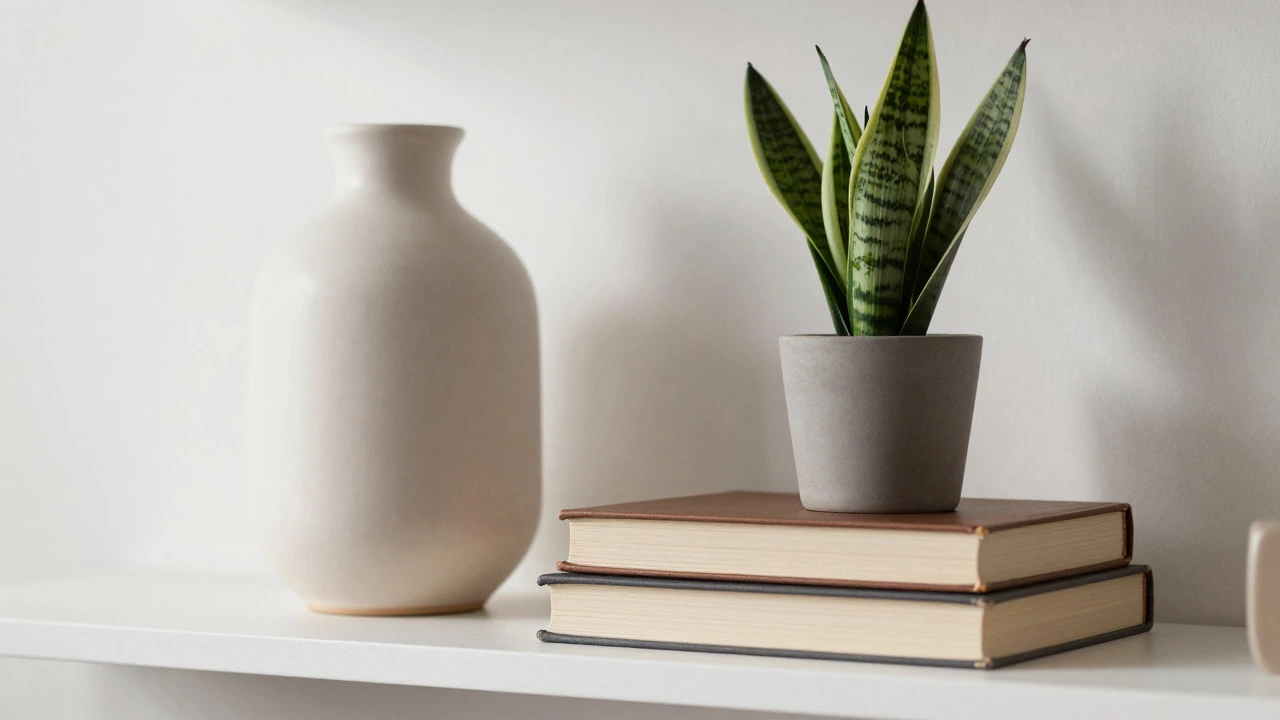
Use the rule of three. Group decor items in odd numbers. Three vases on a shelf. Two candles and one book on a table. Odd numbers are more visually appealing and less rigid than pairs. Vary heights within these groups. Mix a tall vase with a short stack of books. This creates visual interest and draws the eye around the room.
Plants are excellent for adding softness to hard lines. A snake plant tolerates low light and neglect. Pothos vines add movement. Just ensure you have enough light for the specific plant type. Dead plants create more clutter than live ones, so choose wisely.
Maintain Your System
Arranging a room is not a one-time event. It requires maintenance. Adopt a "one in, one out" rule. When you buy a new shirt, donate an old one. When you bring home a new gadget, recycle the old packaging immediately.
Spend five minutes each evening resetting the room. Put pillows back. Fold blankets. Wipe down surfaces. This small habit prevents mess from accumulating. On weekends, do a quick scan. Are items drifting from their homes? Return them. Is anything broken? Fix it or toss it.
Reassess your layout seasonally. Does your desk still work for your current projects? Do you need more storage for winter coats? Adjust as your life changes. Flexibility is key to long-term success.
| Mistake | Best Practice |
|---|---|
| Pushing all furniture against walls | Pull furniture inward to define zones |
| Using only overhead lighting | Layer ambient, task, and accent lights |
| Ignoring traffic flow | Keep pathways clear and wide enough |
| Cluttering surfaces with decor | Use intentional groupings of three |
| Storing items randomly | Assign specific homes for every item |
Adapting to Small Spaces
If you live in a studio apartment or a small bedroom, space planning is critical. Multi-functional furniture is your best friend. A sofa bed saves money on a guest room. An ottoman with storage hides blankets. A drop-leaf table serves as a desk during the day and a dining table at night.
Use mirrors strategically. Placing a mirror opposite a window reflects natural light and makes the room feel larger. Mirrors also break up solid walls, adding visual depth. Choose lightweight furniture with exposed legs. Solid, bulky pieces make small rooms feel heavy. Airy designs allow light to pass underneath, keeping the space feeling open.
Declutter aggressively. In small spaces, every object competes for attention. Be selective. Only keep what serves a purpose or brings genuine joy. Hide everyday items in closed storage. Display only your absolute favorites.
Final Thoughts on Space Planning
Arranging your room properly is about respect. Respect for your space, your time, and your peace of mind. It takes effort upfront, but the payoff is daily comfort. You wake up to a calm environment. You work without distractions. You relax without tripping over clutter.
Start small. Pick one corner. Clear it. Define its purpose. Arrange it. Then move to the next area. You don't need to overhaul your entire house in a weekend. Consistent, intentional choices lead to a home that truly works for you.
How do I decide where to put my bed?
Place the bed against the longest solid wall, ideally facing the door but not directly in line with it. Avoid placing it under windows or directly below air conditioning vents to ensure comfort and stability.
What is the best way to organize a small living room?
Focus on multi-functional furniture like storage ottomans and sofa beds. Keep the center clear for traffic flow. Use vertical space with tall shelves. Anchor the seating area with a rug that fits all front legs of the furniture.
Should I match all my furniture styles?
No, mixing styles often looks more interesting and personal. Aim for cohesion rather than matching. Repeat colors, materials, or shapes throughout the room to tie different pieces together. Ensure the scale of the furniture is consistent.
How much space should I leave between furniture?
Leave at least 30 inches for main walking paths. For seating arrangements, keep sofas and chairs 10 to 12 feet apart for comfortable conversation. Allow 18 inches between coffee tables and sofas for easy access.
Can I rearrange my room frequently?
Yes, experimenting with layouts is encouraged. Move one piece at a time to see how it affects the flow and function. If a change improves your daily routine, keep it. If it creates friction, try something else. Your room should evolve with your needs.