Minimalist Keep-or-Toss Decision Tool
Struggling to decide what to do with an item? Select the category that best describes your object to find the best minimalist strategy.
Pure Junk
Expired meds, old receipts, broken toys, scraps.
Functional Items
Duplicate tools, extra linens, a second toaster.
Sentimental
Photos, letters, heirlooms, old trophies.
Verdict: Direct Disposal
This item has no emotional value and no utility. Don't overthink it—the cost of keeping it (mental clutter) outweighs any possible future benefit.
Verdict: Apply the 90/90 Rule
Ask yourself: "Have I used this in the last 90 days? Do I plan to use it in the next 90 days?"
Keep it
Donate it
Verdict: Use The Box Method
Sentimental items trigger fear of regret. To bypass this, place the item in a box, seal it, and date it for 6 months from now.
Quick Wins for Your Minimalism Journey
- The 90/90 Rule: If you haven't used it in 90 days and don't plan to use it in the next 90, it can probably go.
- One-In, One-Out: For every new item that enters your home, one old item must leave.
- Digital Detox: Clear your desktop and unsubscribe from marketing emails that tempt you to spend.
- Surface Clearing: Start with the flat surfaces (counters, tables). It provides immediate visual relief.
Understanding the Minimalist Mindset
Before you grab a trash bag, you have to realize that Minimalism is a tool, not a destination. It's a way of asking "Does this add value to my life?" about everything from your toaster to your Friday night commitments. Many people mistake it for an aesthetic-think gray walls and a single succulent-but the real work happens in your head. You're shifting from a scarcity mindset ("I might need this one day") to an abundance mindset ("I have enough, and I am enough").
Think about the last time you felt truly stressed. Was it because you didn't have enough gadgets, or was it because you spent three hours looking for a specific document in a pile of papers? When we reduce physical clutter, we reduce the cognitive load on our brains. Your environment is a physical manifestation of your mental state. By choosing intentional living, you are essentially deciding that your time and peace of mind are more valuable than a "just in case" kitchen gadget.
How to Declutter Without the Panic
The biggest mistake beginners make is trying to declutter the whole house in one weekend. That's a recipe for a breakdown. Instead, use a strategic approach. Start with the "low-hanging fruit"-things that have no emotional attachment. Your expired condiments, old magazines, and the socks with holes in them. This builds your "deciding muscle" before you tackle the hard stuff, like childhood photos or heirlooms.
Try the "Box Method" for items you're unsure about. Put the questionable items in a cardboard box, tape it shut, and date it for six months from now. If the date passes and you never once opened that box to retrieve something, you can safely donate the entire thing without looking inside. This removes the fear of "regret" that keeps so many people stuck in a cycle of hoarding.
| Category | Example Items | Difficulty | Best Method |
|---|---|---|---|
| Trash/Recycling | Old receipts, broken toys, expired meds | Easy | Direct disposal |
| Low Emotion | Duplicate kitchen tools, extra linens | Medium | The 90/90 Rule |
| High Emotion | Family photos, letters, trophies | Hard | The Box Method |
Curating a Capsule Wardrobe
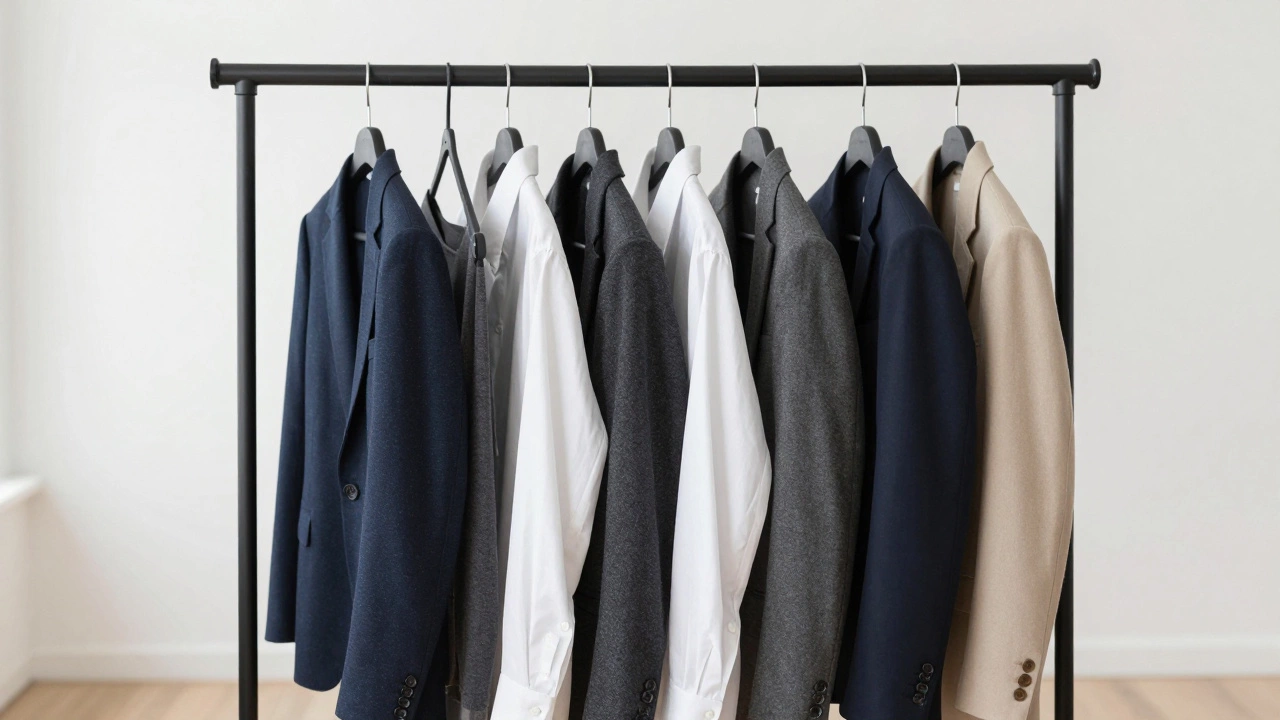
Clothing is often the heaviest burden in a home. We buy for a "fantasy self"-the person we think we'll be if we suddenly move to Paris or start hiking every weekend. Capsule Wardrobe is a system where you limit your clothing to a small number of versatile pieces that all work together. This eliminates decision fatigue. Instead of staring at a full closet and feeling like you have nothing to wear, you have 30 high-quality items that you actually love.
To start, pick a base color (like navy or black) and a few accent colors. Focus on fabrics that last, like organic cotton or merino wool. When you stop chasing Fast Fashion trends, you'll notice something strange: you actually spend less time getting ready and more time feeling confident. It's not about wearing the same outfit every day; it's about owning pieces that fit your current life, not a hypothetical version of it.
Breaking the Cycle of Consumerism
You can't declutter your way to happiness if you're still buying things at the same rate. This is where Sustainable Living intersects with minimalism. The goal is to stop the bleed. One of the most effective tools is the "30-Day Wait." Whenever you feel the urge to buy something that isn't a necessity, write it on a list and wait 30 days. More often than not, the dopamine hit of the *idea* of the item fades, and you realize you don't actually need it.
Ask yourself: "Am I buying this to solve a problem, or am I buying it to feel a certain emotion?" We often shop when we're bored, lonely, or stressed. By identifying the emotional trigger, you can find a better solution. If you're stressed, maybe a walk in the park is what you actually need, not a new air fryer. Switching your focus toward Slow Living means prioritizing experiences and relationships over the accumulation of plastic.

Managing the Digital Clutter
Minimalism isn't just about physical objects. Your digital space is just as prone to clutter. A phone filled with 50 apps you never use and a desktop buried in "Final_Version_2.doc" files creates the same mental noise as a messy room. Start by auditing your notifications. Do you really need a buzz in your pocket every time someone likes a photo on Instagram? Probably not.
Organize your digital life by using a simple folder hierarchy. Instead of a thousand loose files, use a few broad categories. Regularly clear your email inbox and unsubscribe from those newsletters that make you feel like you're missing out on a sale. When your digital environment is clean, your focus improves, and you'll find you have more time for deep work or genuine relaxation.
Navigating the Social Pressure
One of the hardest parts of this journey is dealing with other people. Your family might see your decluttering as a "phase" or, worse, feel insulted when you donate a gift they gave you. The key here is communication. Explain that you are focusing on your mental health and space, not rejecting their kindness. Remember, the value of a gift is in the act of giving, not in the item itself. Once the gift is received, its primary purpose is served.
You might also face the "comparison trap." In a world of curated social media feeds, it's easy to feel like your version of minimalism isn't "pure" enough because you still have a bookshelf or a collection of sneakers. Ignore that. Minimalism is personal. If those books bring you genuine joy and knowledge, they aren't clutter-they're assets. The only rule in minimalism is that the rules are made by you to serve your own well-being.
Does minimalism mean I have to get rid of everything?
Not at all. Minimalism is about keeping the things that serve a purpose or bring you genuine joy and removing the rest. It is a personal threshold. For some, that means living in a tiny house; for others, it just means having a clean garage and a curated wardrobe. The goal is intentionality, not deprivation.
How do I handle sentimental items that I don't use?
Try digitizing them. Scan old letters and photos into a high-quality digital archive. If it's a physical object, take a photo of it and write down the memory associated with it. Often, we are holding onto the memory, not the object. Once the memory is captured, the object often loses its grip on us.
Is minimalism expensive to start?
Actually, it's the opposite. While some people advocate for buying expensive "minimalist-style" furniture, true minimalism is free. It starts with getting rid of what you already have and stopping the purchase of new things. The most sustainable and affordable way to be a minimalist is to use what you own until it wears out.
What if I feel guilty about donating things I paid a lot for?
This is known as the "Sunk Cost Fallacy." The money is already gone; keeping the item doesn't bring the money back. In fact, keeping something you don't like just because it was expensive is paying a "storage tax" with your mental energy. Let the item go so someone who truly needs it can use it.
How do I keep from cluttering up again?
Implement a strict "One-In, One-Out" policy and a "Cooling Off" period for all non-essential purchases. Most importantly, regularly review your space every few months to see if any new clutter has crept in. Minimalism is a practice, like exercise, not a one-time event.
Next Steps for Different Lifestyles
If you're a busy parent, don't aim for a perfectly clear house-that's impossible with kids. Instead, focus on "zones." Create one area, like your bedroom, that remains a minimalist sanctuary where you can recharge. Focus on rotating toys so the children aren't overwhelmed by too many choices at once.
If you're a remote worker, your priority should be your desk. A cluttered workspace leads to a cluttered mind. Use a cable management system to hide wires and keep only the tools you use daily on the surface. Everything else belongs in a drawer or a separate storage area to signal to your brain that it's time to focus.
For those living in small apartments, vertical space is your best friend. Invest in shelving that goes up rather than out. However, resist the urge to buy "organizers" before you declutter. Many people buy bins and baskets to hide their mess, but that's just organized clutter. Get rid of the excess first, then organize what remains.