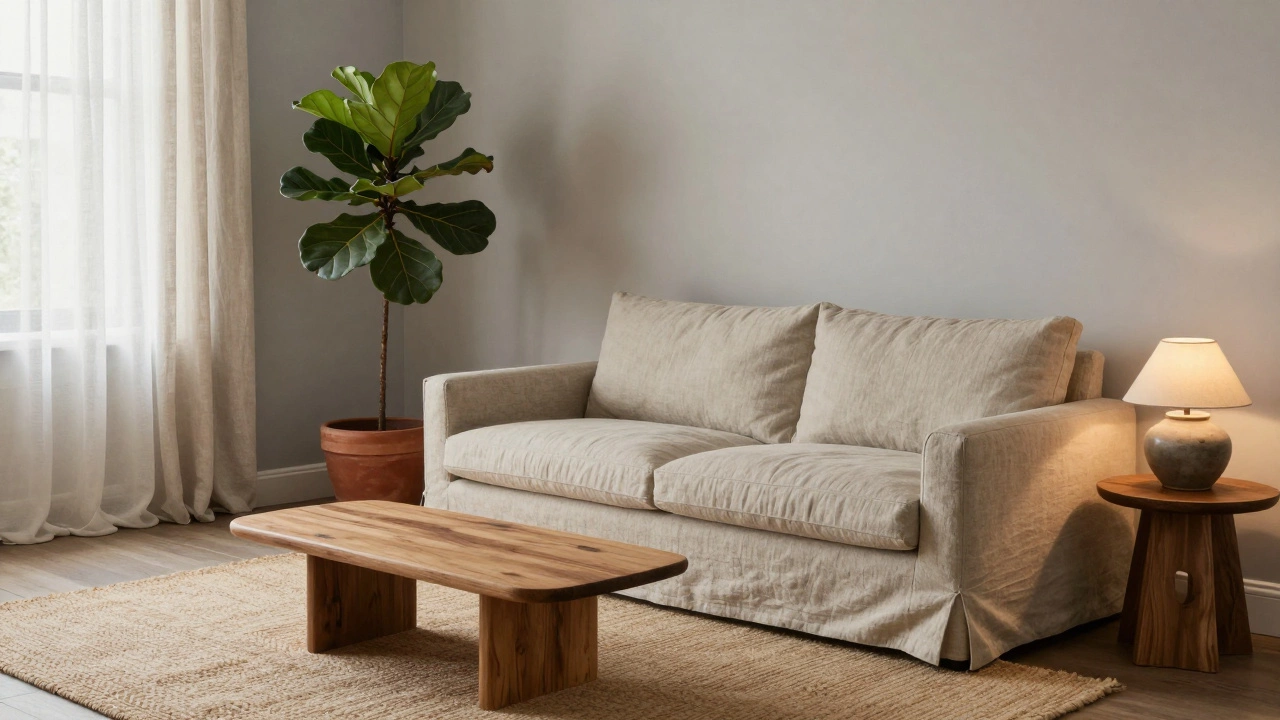
By 2024, home decor has stopped chasing trends and started chasing comfort. The most popular style isn’t loud, it’s quiet. It doesn’t shout for attention - it invites you to breathe. If you’ve walked into a home lately and felt instantly calm, you’ve probably stepped into the heart of what’s dominating interiors this year: cozy minimalism.
This isn’t just another name for Scandinavian design or Japanese wabi-sabi. It’s a blend of both, softened by warmth, layered with texture, and grounded in real life. Think of it as minimalism that remembers humans live in homes, not showrooms. You still see clean lines and uncluttered spaces, but now there’s a chunky knit blanket on the sofa, a handmade ceramic mug on the counter, and a single potted olive tree near the window.
Why Cozy Minimalism Took Over
After years of pandemic-era confinement, people stopped seeing their homes as places to impress guests. They started seeing them as sanctuaries. A 2023 survey by the Australian Interior Design Institute found that 78% of homeowners prioritized emotional comfort over visual impact when redecorating. That’s why stark white walls and glass tables are giving way to warm greys, oatmeal linens, and timber finishes that feel like a hug.
The shift also comes from practicality. People are tired of high-maintenance decor. Dust-collecting knick-knacks? Gone. Overly curated shelves? Replaced with one or two meaningful objects. Cozy minimalism works because it’s easy to live with. You don’t need to be a design expert to pull it off. You just need to ask: does this make me feel calm? Does this serve me? If the answer’s no, it goes.
The Key Elements of Cozy Minimalism
It’s not about removing everything. It’s about keeping what matters - and making sure it feels good.
- Neutral color palette - Think warm whites, soft beiges, dusty greens, and muted taupes. No bright primaries. No black accents unless they’re matte. In Melbourne homes, you’ll often see walls painted in Resene Eighth Bison or Dulux Natural White - tones that change subtly with daylight.
- Textural layers - A wool rug underfoot, a jute basket beside the armchair, linen curtains fluttering in the breeze. Texture adds depth without clutter. It’s why 82% of 2024 decor projects include at least three natural fiber materials.
- Functional furniture - Low-profile sofas with deep seats. Wooden coffee tables with just enough room for a book and a candle. Storage hidden in plain sight - drawers built into benches, cabinets with push-to-open latches.
- Biophilic touches - Plants aren’t just decor anymore. They’re part of the structure. Fiddle-leaf figs in terracotta pots, trailing pothos on shelves, eucalyptus branches in vases. Even small homes now have at least one live plant that’s cared for daily.
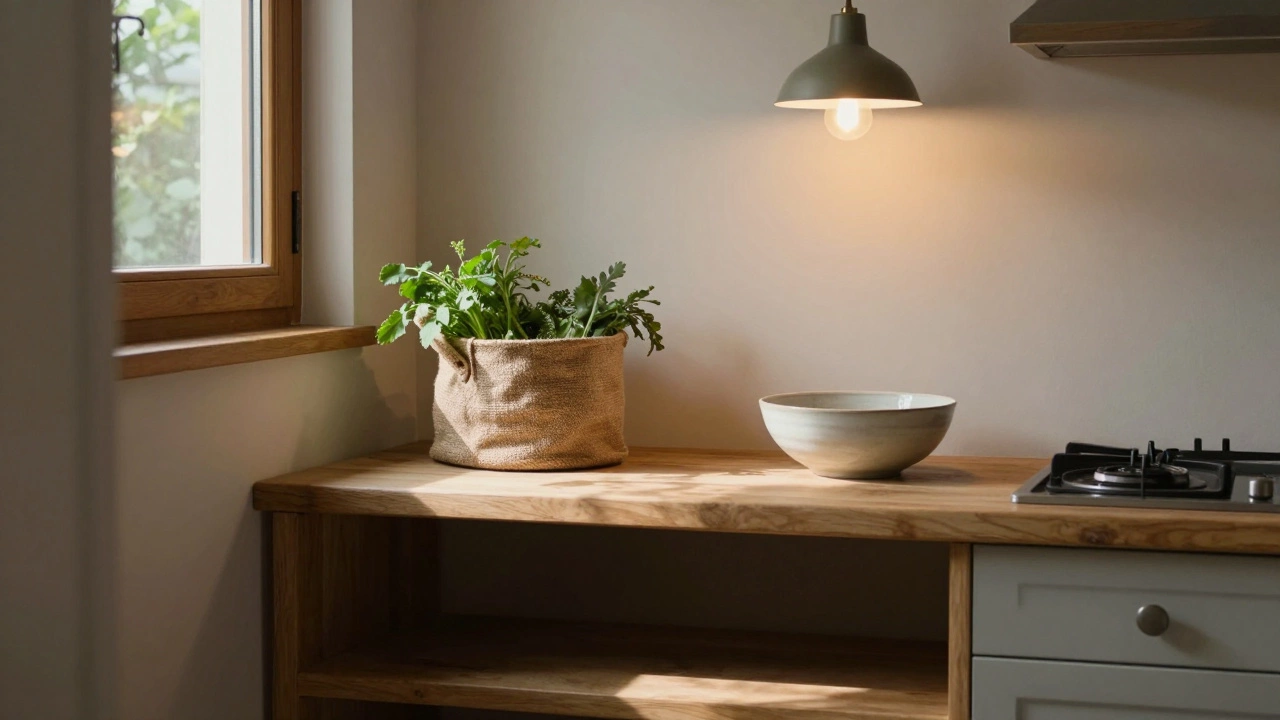
- Soft lighting - Overhead lights are out. Floor lamps with fabric shades, pendant lights with warm LEDs, and salt lamps are in. The goal? No harsh shadows. Just glow.
What’s Out in 2024
If you’re still rocking this, it’s time to rethink:
- Matching furniture sets - The days of buying a full living room suite from one brand are over. Mixing vintage, modern, and handmade pieces adds soul.
- White-on-white - Pure white walls and ceilings feel cold now. Warm neutrals create depth and make spaces feel lived-in, not sterile.
- Overly decorative accessories - Vases with fake flowers, ceramic figurines, and framed prints of quotes? Most people removed them in early 2024. They’re replaced by single, intentional objects - a handmade bowl, a stone paperweight, a journal with a worn cover.
- High-gloss finishes - Shiny surfaces reflect too much light and show every fingerprint. Matte, satin, and oil-rubbed finishes dominate.
Real Examples from Melbourne Homes
Walk into any new build or renovated terrace in Fitzroy or Carlton, and you’ll see the same pattern. A timber-framed window frames a small indoor garden. A low, deep sofa in oatmeal linen sits on a wool rug dyed with natural indigo. A single ceramic lamp glows beside a stack of paperbacks. No TV mounted on the wall - instead, a portable speaker on a side table.
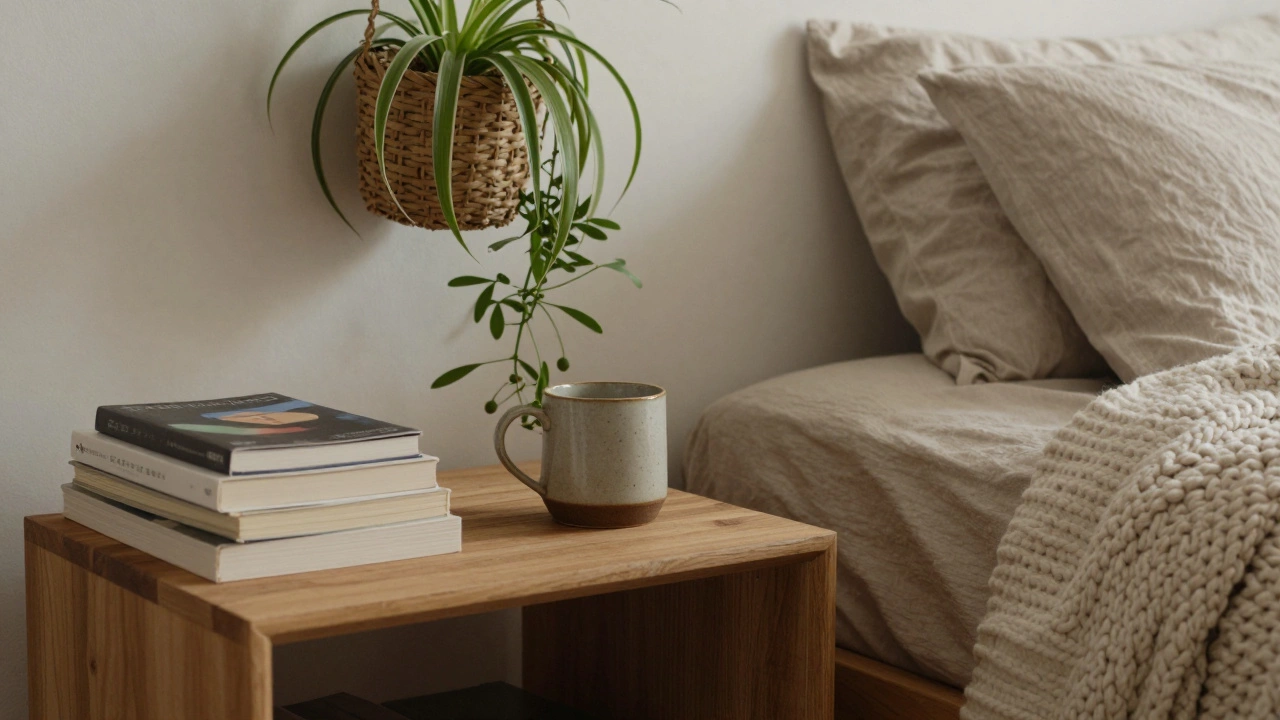
One homeowner in Hawthorn told me she removed 17 items from her living room in one weekend. What stayed? Her grandfather’s wooden rocking chair, a single abstract painting made by her daughter, and a hanging basket with a spider plant that’s been alive for five years. That’s cozy minimalism. It’s not about how little you own. It’s about how much each thing means.
How to Start Building This Style
You don’t need to redecorate everything. Start small.
- Take a walk through your home. Notice where you feel tense or overwhelmed. That’s your first zone to simplify.
- Remove one thing that doesn’t serve you - a lamp you never use, a shelf full of unused mugs, a decorative tray with dust underneath.
- Swap one harsh light for a warm lamp. A single floor lamp with a linen shade can change the mood of an entire room.
- Add one plant. Even a snake plant in a clay pot makes a space feel more alive.
- Choose one textile to layer - a throw blanket, a cushion cover, a rug. Stick to natural fibers: wool, cotton, linen, jute.
Wait a week. Then repeat. You’ll find yourself naturally gravitating toward pieces that feel right - not because they’re trendy, but because they feel like home.
Why This Style Lasts
Other styles come and go. Farmhouse had its moment. Mid-century modern is still popular, but it’s getting quieter. Cozy minimalism doesn’t rely on trends. It relies on human needs: safety, warmth, quiet, and meaning.
It’s the opposite of fast decor. It’s slow, thoughtful, and personal. You don’t buy into it - you build into it, over time. That’s why it’s not just the most popular style in 2024. It’s the one most likely to stick around for years.