Sustainable Fashion Audit Tool
Use this tool to audit a specific garment in your wardrobe or one you are considering buying. Check the boxes that apply to the item.
1. Fabric Composition
2. Credible Certifications
3. Durability & Design
4. Brand Transparency
5. End-of-Life Plan
Your Result
Awaiting Input
Select the criteria that match your garment to see its sustainability rating.
Key Insights
You’re standing in a store or scrolling online, looking at a shirt labeled "eco-friendly," and you wonder: is this actually true? Or is it just clever marketing designed to make you feel better about spending money? The truth is, sustainable fashion is a movement focused on reducing the environmental and social impact of clothing production and consumption. But figuring out if your specific clothes fit that bill isn’t always straightforward. There’s no single label that guarantees perfection, but there are clear signs you can look for.
Most of us want to do the right thing, but we don’t have time to become textile scientists overnight. You need practical tools to spot greenwashing-the practice where companies exaggerate their environmental efforts-and find garments that truly last. This guide breaks down exactly what to check, from the tag to the brand’s history, so you can shop with confidence and clarity.
Check the Fabric Composition First
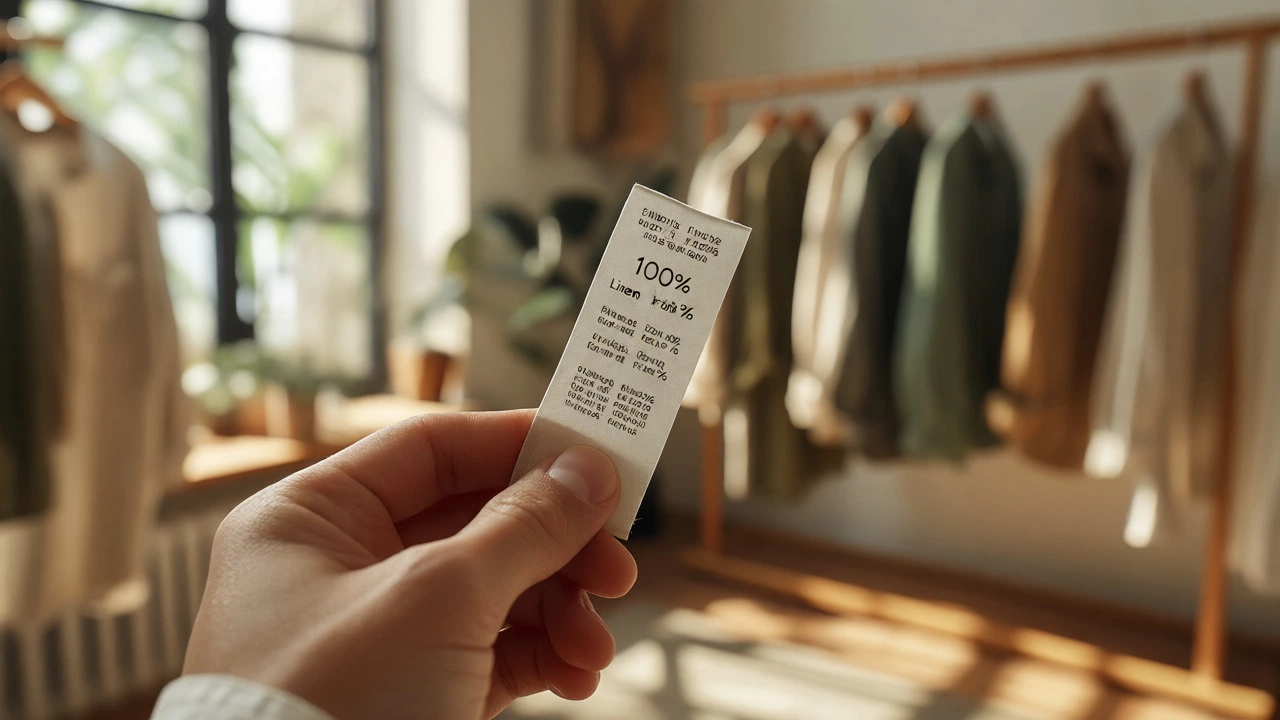
The material is the foundation of any garment’s sustainability. It dictates how much water was used, whether it sheds microplastics, and how easily it will decompose at the end of its life. When you flip over that care label, ignore the fancy names like "Eco-Soft" and look for the actual fiber content percentages.
Natural fibers are generally more biodegradable, but they aren’t all created equal. Cotton is a natural cellulose fiber derived from the cotton plant, widely used in apparel but often associated with high water usage. Conventional cotton is thirsty; it takes roughly 10,000 liters of water to produce just one kilogram of lint. If you see "Organic Cotton," that’s a step up because it avoids synthetic pesticides and uses less water. However, even organic cotton needs careful sourcing.
Linen is a textile made from the fibers of the flax plant, known for being durable, breathable, and requiring significantly less water than cotton. Flax grows well in poor soil and needs minimal irrigation, making linen a top-tier choice for hot climates like Melbourne. Similarly, Hemp is a strong, fast-growing crop that requires no pesticides and improves soil health. Both are excellent low-impact options.
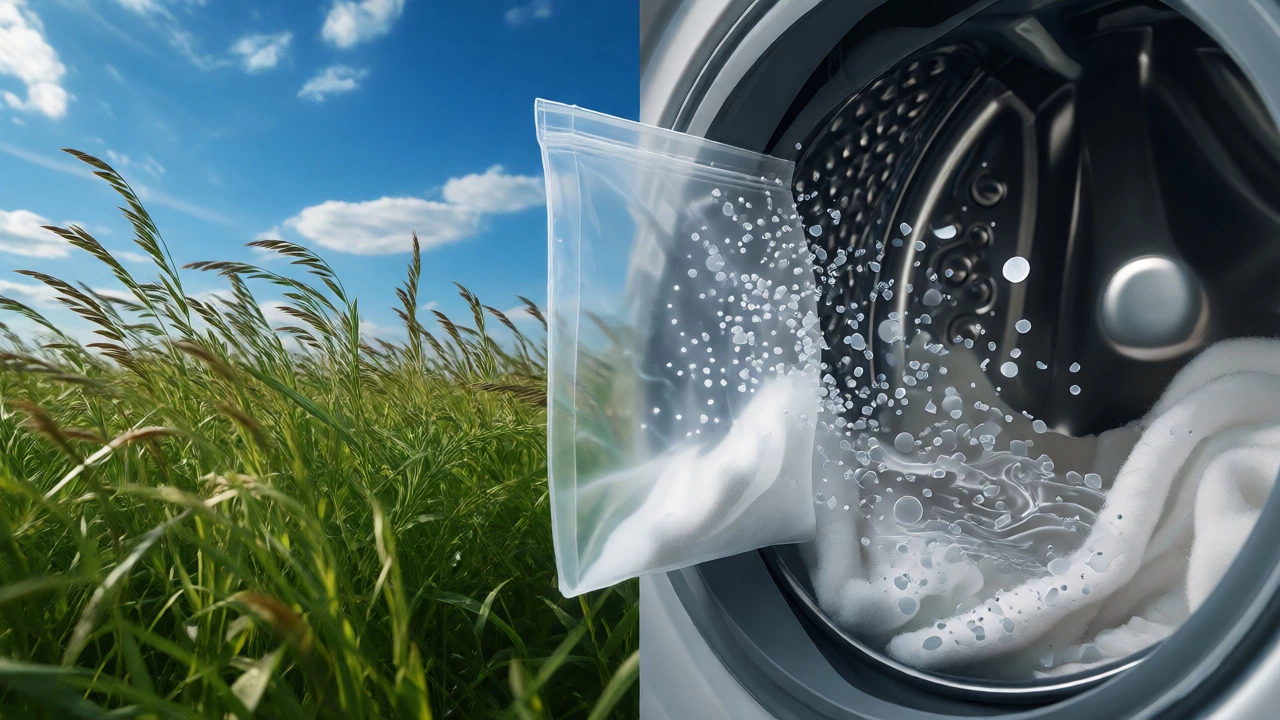
Synthetics are trickier. Polyester is a synthetic polymer made from petroleum, commonly used in activewear due to its durability and moisture-wicking properties. While recycled polyester (rPET) keeps plastic bottles out of landfills, it still sheds microfibers when washed. A fleece jacket might be made from recycled bottles, but every wash releases thousands of tiny plastic particles into the water system. If you buy synthetics, consider a washing bag designed to catch these fibers.
Look for Credible Certifications
Brands love to slap leaf logos on their tags, but many of those are self-created and mean nothing. You need third-party verification. These certifications require audits and strict standards, giving you a shortcut to trustworthiness without doing deep research yourself.
| Certification | What It Covers | Why It Matters |
|---|---|---|
| GOTS | Global Organic Textile Standard | Ensures organic status of textiles from harvesting to labeling, including environmental and social criteria. |
| OEKO-TEX | Standard 100 by OEKO-TEX | Tests for harmful substances in finished products. Great for skin safety, though not strictly an eco-standard. |
| B Corp | Benefit Corporation Certification | Measures overall company performance regarding social and environmental impact, governance, and transparency. |
| Fair Trade | Fair Trade Certified | Focuses on fair wages, safe working conditions, and community development for farmers and workers. |
If a brand has GOTS certification, you know the organic claims are verified. If they are a B Corp, you know they’ve been audited on broader business practices, not just their fabric. Be wary of vague terms like "conscious collection" or "green line" unless backed by data or a recognized logo.
Evaluate Durability and Quality
A cheap shirt that falls apart after three washes is less sustainable than an expensive coat that lasts ten years. Sustainability isn’t just about materials; it’s about longevity. The most sustainable garment is the one you keep wearing for years.
Inspect the stitching. Look for straight seams and reinforced stress points, like pockets and buttonholes. Check the weight of the fabric-thin, sheer materials often tear easily. Try the "crush test": grab a handful of fabric and squeeze tight for ten seconds. If it wrinkles instantly and stays wrinkled, it might lack quality finishing or natural resilience. High-quality wool or heavy cotton resists immediate creasing better.
Consider the design. Is it trendy or timeless? Fast fashion relies on planned obsolescence, where styles change monthly so you feel pressured to buy new items. If a piece feels like it belongs to a fleeting TikTok trend, it likely won’t survive your wardrobe purge next year. Aim for classic cuts and neutral colors that mix and match easily. This reduces the need to constantly buy new items to fill gaps in your outfit rotation.
Research Brand Transparency
Where is the clothes made? Who made them? Ethical fashion demands visibility. Many major brands still refuse to publish their supplier lists, which is a red flag. If a company hides its supply chain, it’s often because the conditions aren’t great.
Visit the brand’s website and look for a "Sustainability Report" or "Impact Page." Good brands will list their factories, sometimes even down to the village level. They should explain their labor policies. Do they pay living wages? Do they allow unionization? In countries like Bangladesh or Vietnam, where much of our clothes come from, minimum wage laws often fall short of a living wage. Brands committed to ethics will explicitly state they pay above the legal minimum.
Also, check for carbon footprint disclosures. Some advanced brands now calculate the emissions per item. While not universal yet, this level of detail shows a commitment to measurement and improvement. If a brand talks about "saving the planet" but offers zero data, be skeptical.
Consider the End-of-Life Plan
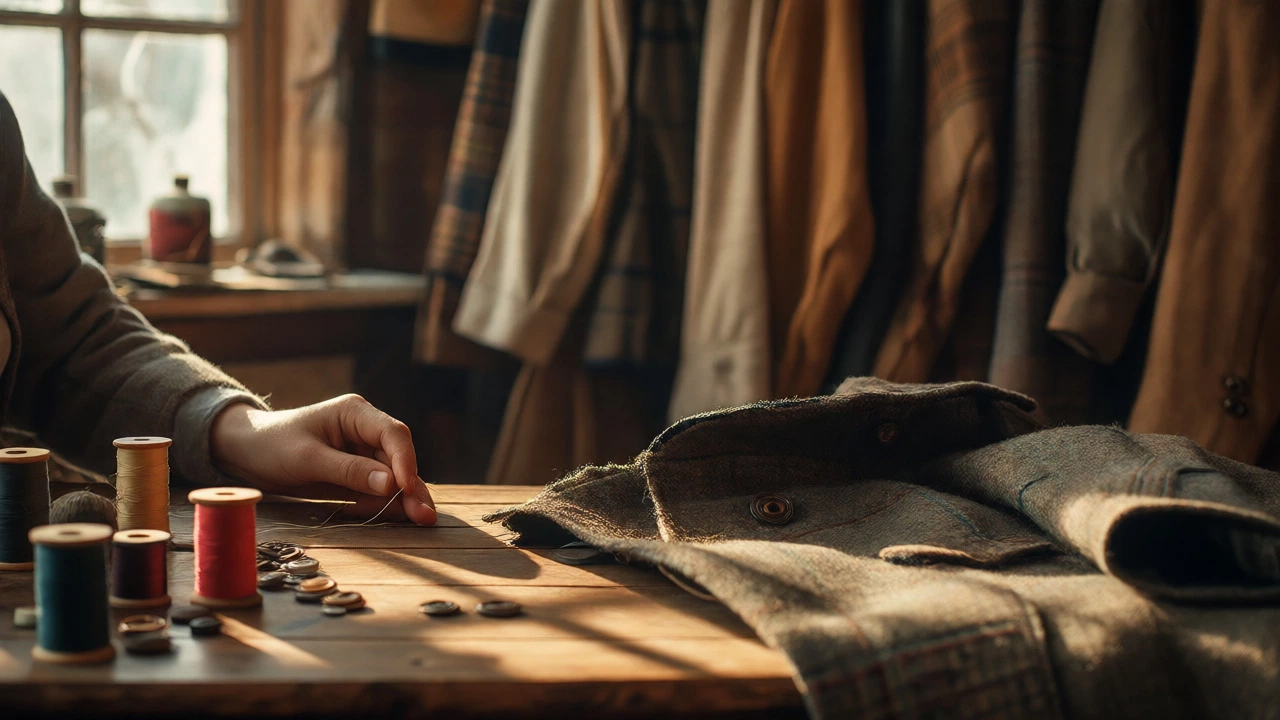
What happens when you’re done with the item? True sustainability includes circularity. Does the brand offer a take-back program? Can you repair the item easily? Some companies, like Patagonia or Eileen Fisher, have robust resale and recycling initiatives. They encourage you to return worn-out items for credit, then recycle the materials into new products.
Biodegradability matters here too. Blended fabrics, like cotton-polyester mixes, are hard to recycle because separating the fibers is technically difficult and energy-intensive. Pure materials are easier to process. If you can’t recycle it, can you compost it? Natural fibers like untreated wool or linen will break down in a home compost bin within months or a year. Synthetics will sit in a landfill for centuries.
Practical Steps to Audit Your Wardrobe
You don’t need to throw everything out today. Start small. Go through your closet and pick five items you wear most. Check their labels. Note the fiber content and country of origin. Search for the brand name plus "sustainability report" to see what comes up.
- Wash Less: Over-washing damages fibers and wastes water. Air out clothes instead of washing them after every wear.
- Mend Often: Learn basic sewing. Fixing a loose button or a small tear extends life significantly.
- Buy Secondhand: Extending the life of existing clothes is the most sustainable action possible. Thrift stores and apps like Depop or Vinted are great sources.
- Vote with Your Wallet: Stop buying from brands that ignore sustainability. Demand changes by supporting those who provide.
Remember, perfect sustainability doesn’t exist. Every purchase has an impact. The goal is progress, not perfection. By asking these questions, you shift from passive consumer to active participant in the fashion ecosystem.
Is bamboo fabric really sustainable?
It depends on the processing method. Bamboo grows quickly and needs little water, which is good. However, turning bamboo into soft fabric often involves harsh chemicals like sodium hydroxide and carbon disulfide. Look for "Lyocell" or "Tencel" bamboo, which uses a closed-loop solvent process that recycles chemicals and water, making it far more eco-friendly than standard viscose bamboo.
Does buying local always mean more sustainable?
Not necessarily. Transport accounts for only a small fraction of a garment's total carbon footprint compared to production stages like dyeing and farming. A locally made shirt using conventional cotton and inefficient energy might have a higher impact than an efficiently produced item shipped from overseas. Focus on material choices and factory standards first, then consider transport distance.
What is the difference between biodegradable and compostable?
All compostable materials are biodegradable, but not all biodegradable materials are compostable. Biodegradable means it will break down eventually, possibly leaving behind microplastics or toxic residues. Compostable means it breaks down into nutrient-rich soil under specific conditions (like industrial composting facilities) within a set timeframe, leaving no harmful residue. Always check if a "compostable" claim refers to home or industrial composting.
Are vintage clothes considered sustainable?
Yes, absolutely. Buying vintage or secondhand prevents new resource extraction and manufacturing emissions. It extends the lifecycle of existing garments. Unless the vintage item requires extensive chemical cleaning or repairs that use non-sustainable materials, it is one of the lowest-impact ways to acquire clothing.
How do I dispose of unsustainable clothes responsibly?
Avoid throwing them in the general waste bin. Check if local councils or charities accept textile recycling. Some organizations take damaged items to shred for insulation or rags. If the item is wearable, donate it. If it’s unwearable and not recyclable locally, consider cutting it up for cleaning rags before disposal to maximize its utility.