Find Your Personal Skincare Match
Stop guessing which brand is "#1." Answer these three questions to get a tailored recommendation for your unique skin profile.
You walk into a pharmacy or scroll through Instagram, and you are bombarded with thousands of bottles promising to erase wrinkles, clear acne, and give you that elusive "glass skin" glow. It’s exhausting, isn’t it? You want to know which one actually works. Which one is the #1 skincare brand? Here is the hard truth: there is no single magic bottle that fits every face on earth. Your skin is unique-its microbiome, your climate in Melbourne, your genetics, and your lifestyle all play a role. But if we look at sales data, dermatologist recommendations, and clinical results, certain names consistently rise to the top.
This guide cuts through the marketing noise. We aren't just listing pretty packaging; we are looking at efficacy, ingredient science, and real-world performance. Whether you have oily, dry, sensitive, or aging skin, understanding what makes a brand "number one" for specific needs will save you money and heartbreak.
The Myth of the Universal Best
Ask ten people who has the best skincare, and you’ll get ten different answers. Why? Because "best" is subjective. For a teenager battling hormonal acne, the #1 skincare might be a simple benzoyl peroxide wash from CeraVe. For a 50-year-old dealing with collagen loss, it might be a retinol serum from SkinCeuticals. The industry thrives on this ambiguity because it keeps us buying.
However, we can categorize the leaders based on objective metrics. Dermatologists often cite CeraVe as the gold standard for barrier repair due to its inclusion of ceramides and hyaluronic acid. On the luxury end, SkinCeuticals dominates the antioxidant space with its patented Vitamin C formulations. Meanwhile, K-beauty giants like La Roche-Posay (technically French but huge in Asian markets) bridge the gap between medical-grade efficacy and accessible pricing.
The key takeaway here is intent alignment. Are you treating a condition? Preventing damage? Or maintaining health? Your goal dictates the winner.
Dermatologist Favorites vs. Influencer Hype
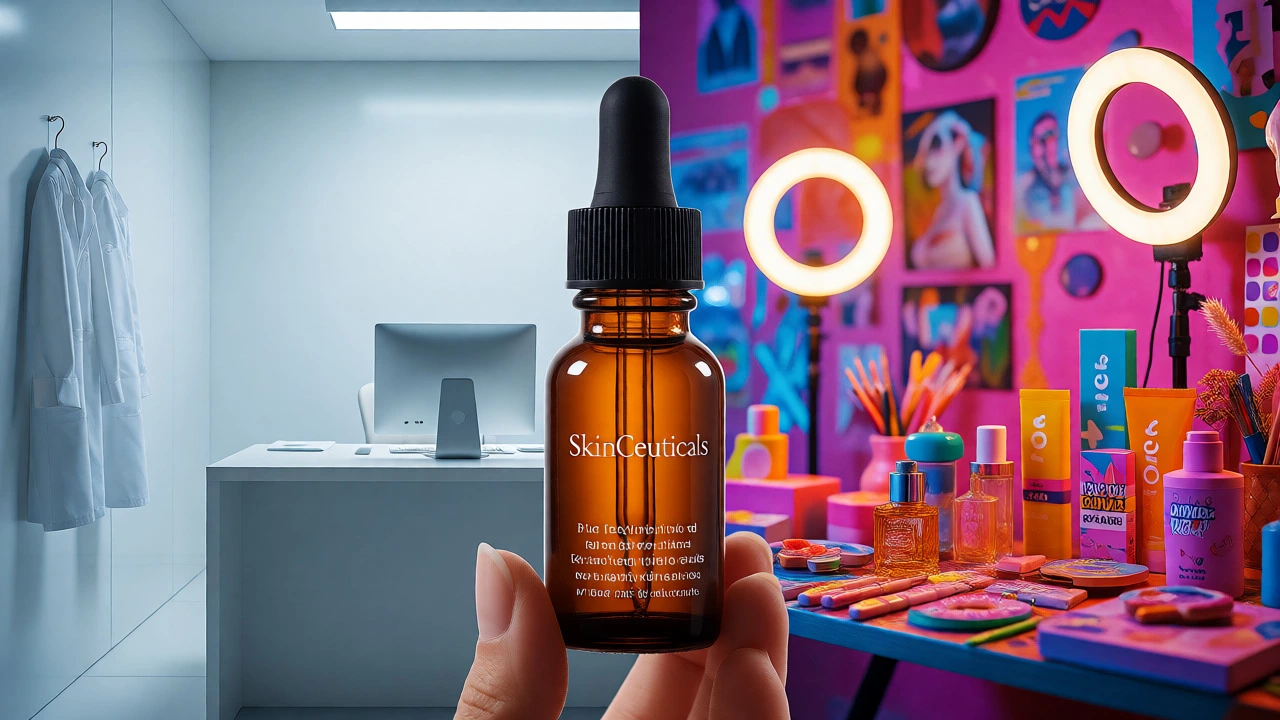
There is a massive disconnect between what trends on TikTok and what doctors prescribe. Viral products often rely on sensory appeal-sparkles, strong scents, or unusual textures. Dermatologists care about pH balance, non-comedogenic status, and active ingredient stability.
For instance, while many influencers rave about high-concentration acids, a board-certified dermatologist might warn you that over-exfoliation destroys your moisture barrier. This leads to redness, breakouts, and sensitivity-the opposite of what you wanted. When determining the #1 skincare for long-term health, stick to brands backed by clinical trials. Look for phrases like "clinically proven," "dermatologist-tested," or "non-irritating." These aren't just buzzwords; they imply third-party testing.
| Brand Category | Top Representative | Key Strength | Best For | Price Range |
|---|---|---|---|---|
| Drugstore/Mass Market | CeraVe | Ceramide restoration, affordability | Dry skin, eczema, budget-conscious | $ - $$ |
| Medical Grade | SkinCeuticals | Antioxidant protection, penetration | Aging, hyperpigmentation, prevention | $$$ |
| Pharmacy/Dermo-cosmetic | La Roche-Posay | Sensitive skin focus, thermal water | Reactive skin, rosacea, post-procedure | $$ |
| Luxury/Clean Beauty | Augustinus Bader | Stem cell technology, regenerative | Mature skin, luxury experience | $$$$ |
| K-Beauty | COSRX | Snail mucin hydration, gentle actives | Hydration, mild acne, layering | $$ |
The Science Behind the Winners
Why do these specific brands hold the top spots? It comes down to formulation chemistry. Take Vitamin C, for example. It is unstable and oxidizes quickly. Most drugstore Vitamin C serums turn brown within weeks, meaning they are ineffective. SkinCeuticals solved this with a patented delivery system that ensures the L-ascorbic acid penetrates the skin before degrading. That scientific hurdle alone justifies their price tag for many users.
Similarly, consider Retinoids. Over-the-counter retinol is great, but prescription Tretinoin is stronger. Brands like Differin (adapalene) offer a middle ground. The #1 skincare choice for anti-aging usually involves some form of vitamin A derivative. If a brand doesn't prioritize stable, bioavailable ingredients, it's likely just selling expensive water and fragrance.
We also need to talk about SPF. Sunscreen is arguably the most critical step in any routine. Australian brands like Ultra Violette or Ego QV are highly regarded locally because Australia has some of the highest UV levels in the world. Their formulations meet strict therapeutic goods standards that differ from US or EU regulations. If you live in a sunny climate, your "#1" sunscreen must be broad-spectrum, water-resistant, and cosmetically elegant enough that you actually wear it daily.
Building Your Personal Top 3
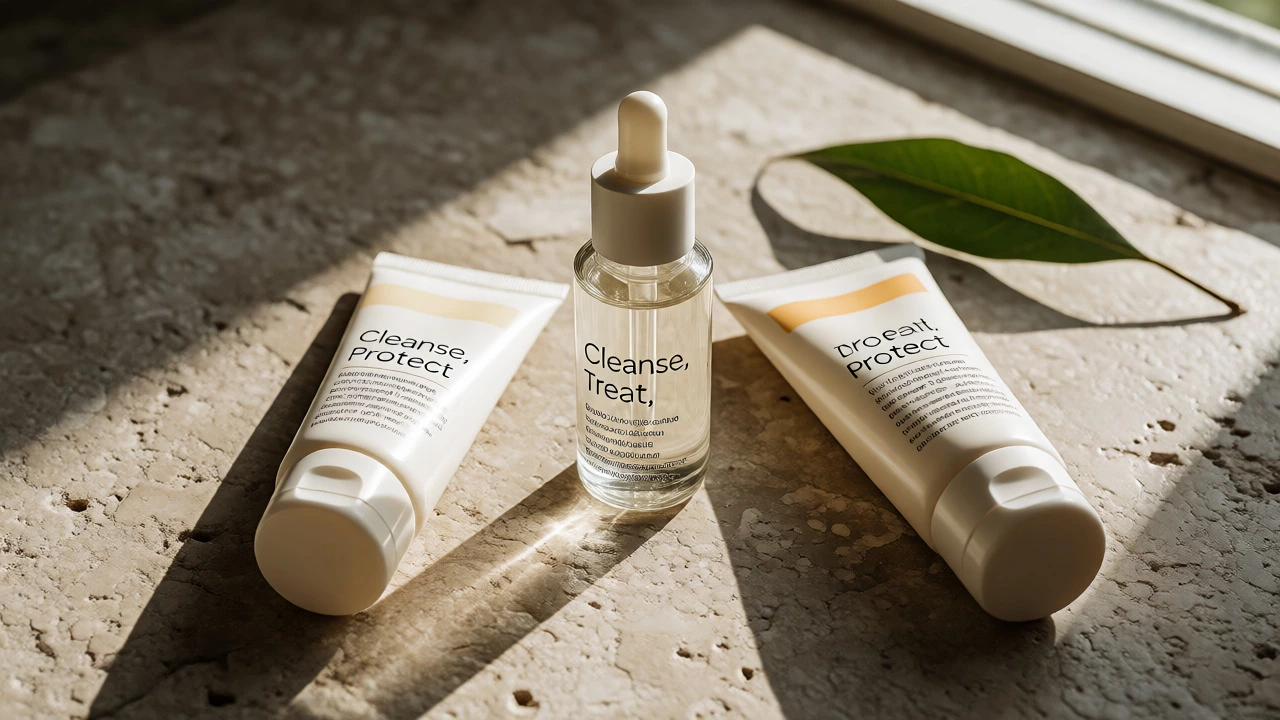
Since there is no universal #1, let's build a framework to find yours. Think of your routine as a three-legged stool: Cleanse, Treat, Protect.
- Cleanse: You need a cleanser that removes dirt without stripping oils. For most people, a low-pH cream or gel cleanser works best. Avoid harsh sulfates if you have dry skin. CeraVe Hydrating Cleanser is a perennial favorite here for good reason-it respects the skin barrier.
- Treat: This is where you address specific concerns. Acne? Look for salicylic acid or benzoyl peroxide. Dark spots? Niacinamide or Vitamin C. Wrinkles? Retinol. This step changes seasonally or as your skin evolves.
- Protect: Morning only. SPF 30 minimum. Reapply if you are outdoors. This prevents the damage that treatments try to fix.
If you are overwhelmed, start with these three steps. Do not buy twenty products at once. Introduce one new product every two weeks. This way, if you break out, you know exactly which culprit caused it.
Common Pitfalls When Chasing the "Best"
One major mistake is confusing price with quality. An $80 moisturizer isn't necessarily twice as good as a $40 one. Often, you are paying for the jar, the scent, and the marketing campaign. Conversely, cheap doesn't mean bad. Many pharmacy brands use the same active ingredients as luxury lines but skip the fancy packaging.
Another trap is "ingredient dumping." Just because a label lists 50 botanical extracts doesn't mean they are all working. Some may be present in trace amounts just so the brand can claim they are included. Focus on the first five ingredients on the list-that's where the concentration lies. If your hero ingredient (like retinol) is listed near the bottom, you probably aren't getting an effective dose.
Finally, ignore the hype cycle. Trends come and go. Snail mucin was huge last year; now everyone wants peptides. Stick to the basics that have decades of research behind them: Sunscreen, Moisturizer, Cleanser, and targeted Actives (Retinoids/Vitamin C/Acids).
Local Context: The Australian Advantage
Living in Melbourne, I've noticed a shift toward local brands that understand our specific environmental challenges. Our weather is notoriously fickle-four seasons in one day. This stresses the skin barrier. Brands like Alpha-H or Aesop have gained global traction because they formulate for temperate climates with high UV exposure. They tend to favor plant-based antioxidants and gentle exfoliants like lactic acid, which suits the sensitivity common in urban populations.
If you are shopping locally, check the Therapeutic Goods Administration (TGA) approval for sunscreens. It’s a rigorous process that ensures reliability. This regulatory scrutiny gives Australian skincare a reputation for safety and efficacy that rivals European pharmacy brands.
Is there really a number one skincare brand?
No single brand is objectively the best for everyone. However, CeraVe is often cited as the best value-for-money brand for barrier health, while SkinCeuticals is frequently ranked as the best medical-grade brand for anti-aging. The "best" depends entirely on your skin type, budget, and specific concerns.
Do expensive skincare products work better than cheap ones?
Not always. Price often reflects packaging, branding, and scent rather than ingredient potency. Many drugstore brands like The Ordinary or CeraVe use clinically proven concentrations of active ingredients. However, luxury brands sometimes offer superior texture, stability, or proprietary delivery systems that enhance absorption.
How do I know if a product is right for my skin?
Patch test new products on your inner arm or behind your ear for 24-48 hours before applying them to your face. Introduce one new product at a time, waiting two weeks between additions. Monitor your skin for signs of irritation, such as redness, stinging, or increased breakouts, which indicate the product isn't suitable.
What is the most important skincare product?
Sunscreen is widely considered the most important skincare product. Daily use of broad-spectrum SPF prevents premature aging, hyperpigmentation, and reduces the risk of skin cancer. Without sun protection, other treatments like retinols or acids become less effective and can even cause more damage.
Should I follow influencer recommendations for skincare?
Use them as inspiration, not prescription. Influencers often have sponsored partnerships and may not disclose them clearly. Always check the ingredient list yourself and consult reviews from people with similar skin types. What works for an influencer with oily, resilient skin might irritate someone with dry, sensitive skin.