Garden Readiness & Soil Assessment Tool
Grab a handful of moist soil and squeeze it into a ball. Select what happens:
How many hours of direct sunlight does your spot get per day?
Your Garden Foundation Summary
You don’t need a green thumb to start a garden. You just need to stop looking at your empty patch of dirt as a blank canvas and start seeing it as a system. Most beginners buy seeds, grab a shovel, and dig. It’s enthusiastic, but it’s backwards. The very first thing necessary for gardening isn’t a tool or a plant-it’s understanding what is already there.
Before you spend a dime on tomatoes or tulips, you have to assess two non-negotiable factors: your soil and your light. If you ignore these, no amount of watering or talking to your plants will save them. Think of it like building a house; you wouldn’t pour concrete without checking if the ground can hold the weight. Gardening is the same. Your success depends entirely on the foundation you prepare before the first seed hits the ground.
If you are feeling overwhelmed by the sheer number of choices out there, sometimes stepping back and looking at structured resources helps clarify your next move. For example, browsing this directory shows how important it is to verify details and understand specific listings before making a decision-a principle that applies just as much to choosing the right plant variety for your zone as it does to any other selection process.
The Real Foundation: Understanding Your Soil
We often think of soil as just dirt, but in gardening, soil is a living ecosystem. It contains bacteria, fungi, earthworms, and organic matter that break down nutrients for your plants. If your soil is compacted clay, sandy desert dust, or pure gravel, your plants will struggle regardless of how much love you give them.
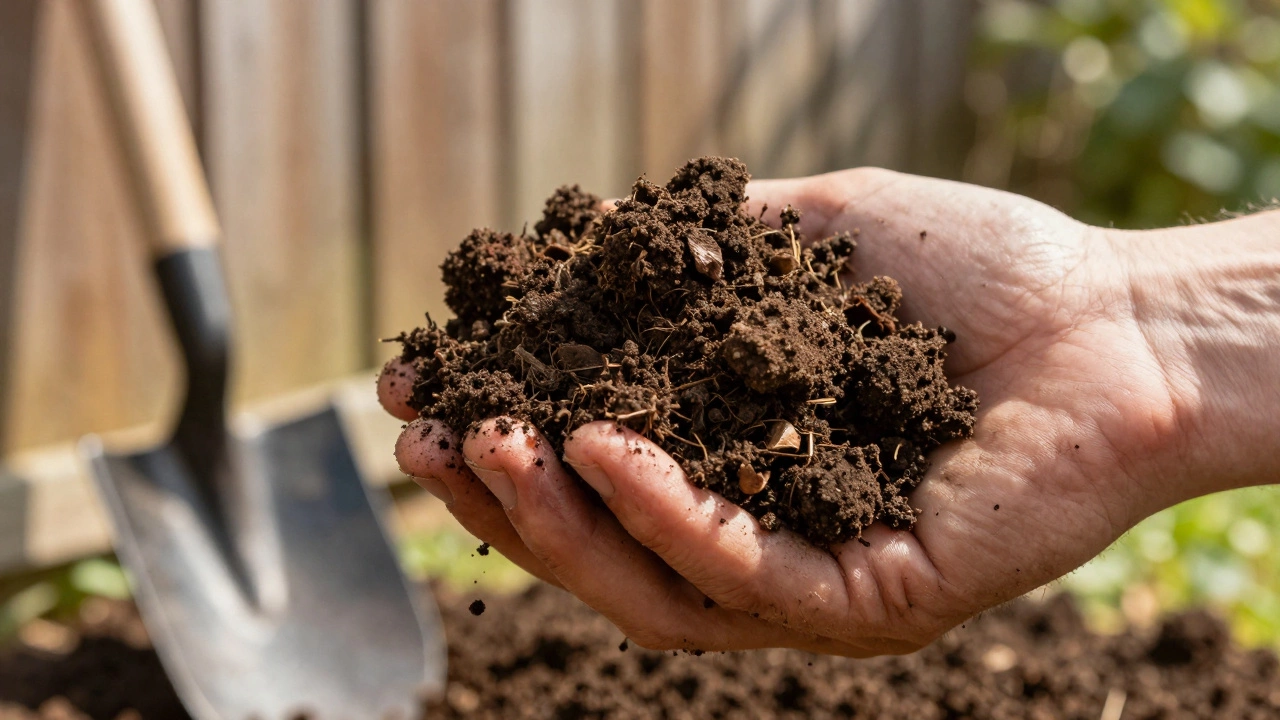
The first step is a simple test. Grab a handful of moist soil from your garden bed and squeeze it into a ball.
- If it holds its shape: You likely have clay-rich soil. It retains water well but drains poorly and can suffocate roots.
- If it crumbles immediately: You have sandy soil. It drains too fast, meaning nutrients wash away before plants can use them.
- If it forms a loose ball that breaks easily: Congratulations, you have loam. This is the gold standard for gardening.
If you don’t have loam, don’t panic. You don’t need to replace all your soil. You need to amend it. Adding organic matter-like compost, aged manure, or leaf mold-is the universal fix. It loosens clay, helps sand retain moisture, and feeds the microbes that keep your garden healthy. Spend your first weekend turning over the top six inches of soil and mixing in a generous layer of compost. This single act does more for your garden than any expensive fertilizer ever could.
Light: The Fuel Your Garden Can’t Fake
Soil is the foundation, but light is the fuel. Plants run on photosynthesis, which requires sunlight. However, not all sun is created equal, and not all plants have the same appetite for it. One of the biggest mistakes beginners make is planting shade-loving ferns in a blazing hot south-facing border, or trying to grow sun-thirsty peppers in a dark corner under a tree.
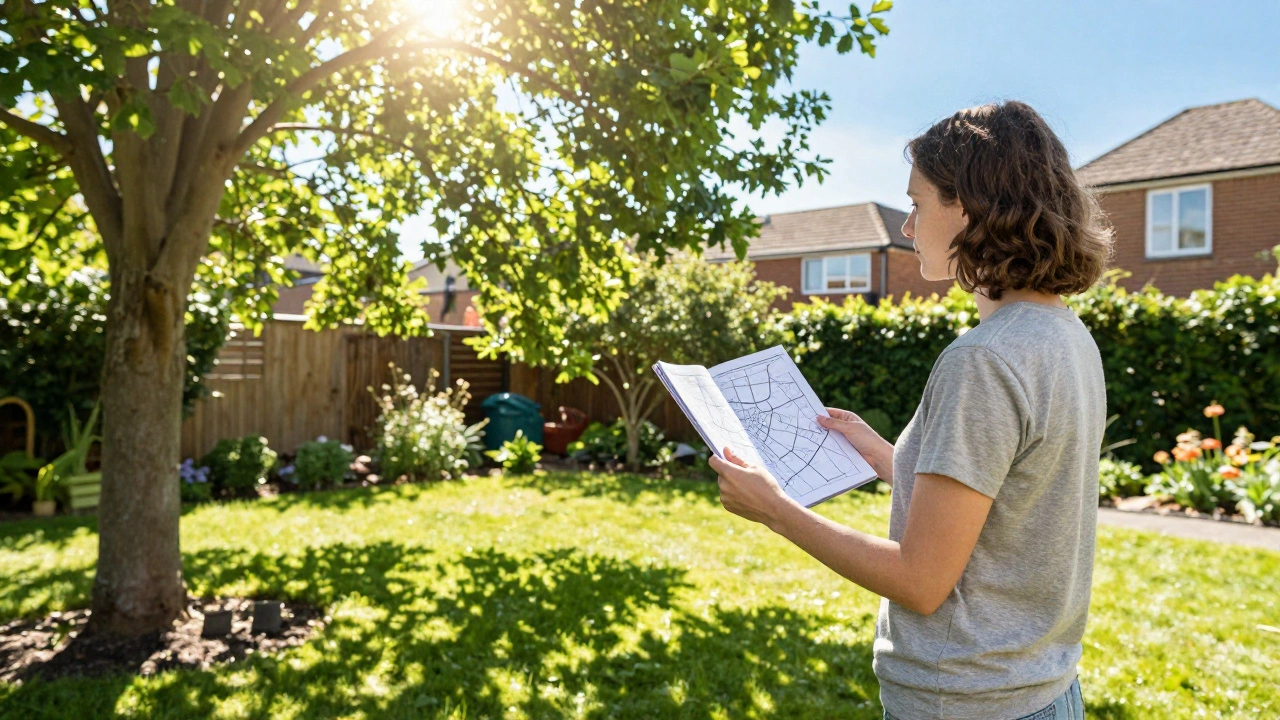
You need to map your garden’s light exposure before you buy anything. Walk around your yard at different times of the day. Note where the shadows fall at 10 AM, noon, and 4 PM.
- Full Sun: Six to eight hours of direct sunlight. Essential for vegetables like tomatoes, peppers, and squash, as well as most flowering annuals.
- Partial Shade: Three to six hours of sun. Good for leafy greens like lettuce and spinach, plus herbs like mint and parsley.
- Full Shade: Less than three hours of direct sun. Reserved for hostas, ferns, and certain ground covers.
If you live in an apartment with a balcony, this rule is even stricter. A west-facing balcony gets intense afternoon heat that can cook delicate plants, while an east-facing one provides gentle morning light. Match your plants to their specific light needs, or they will simply stall out.
Water Access: Don’t Rely on Rain Alone
Once you’ve checked the soil and the sun, look at your water source. Gardening is labor-intensive enough without hauling buckets from the kitchen tap. The first thing necessary for sustainable gardening is convenient access to water.
If your hose doesn’t reach the garden bed, plan to extend it or install a rain barrel nearby. Consistent watering is critical, especially during the first few weeks after planting when roots are establishing themselves. Inconsistent watering causes stress, leading to issues like blossom end rot in tomatoes or bolting in lettuce. Set up a system that makes watering easy, whether that’s a soaker hose, a drip irrigation kit, or just keeping a watering can within arm’s reach.
Planning: Start Small and Smart
Enthusiasm is great, but over-ambition is the enemy of the beginner gardener. The urge to transform your entire backyard in one season usually leads to burnout. Weeding a hundred square feet is exhausting; weeding ten is manageable.
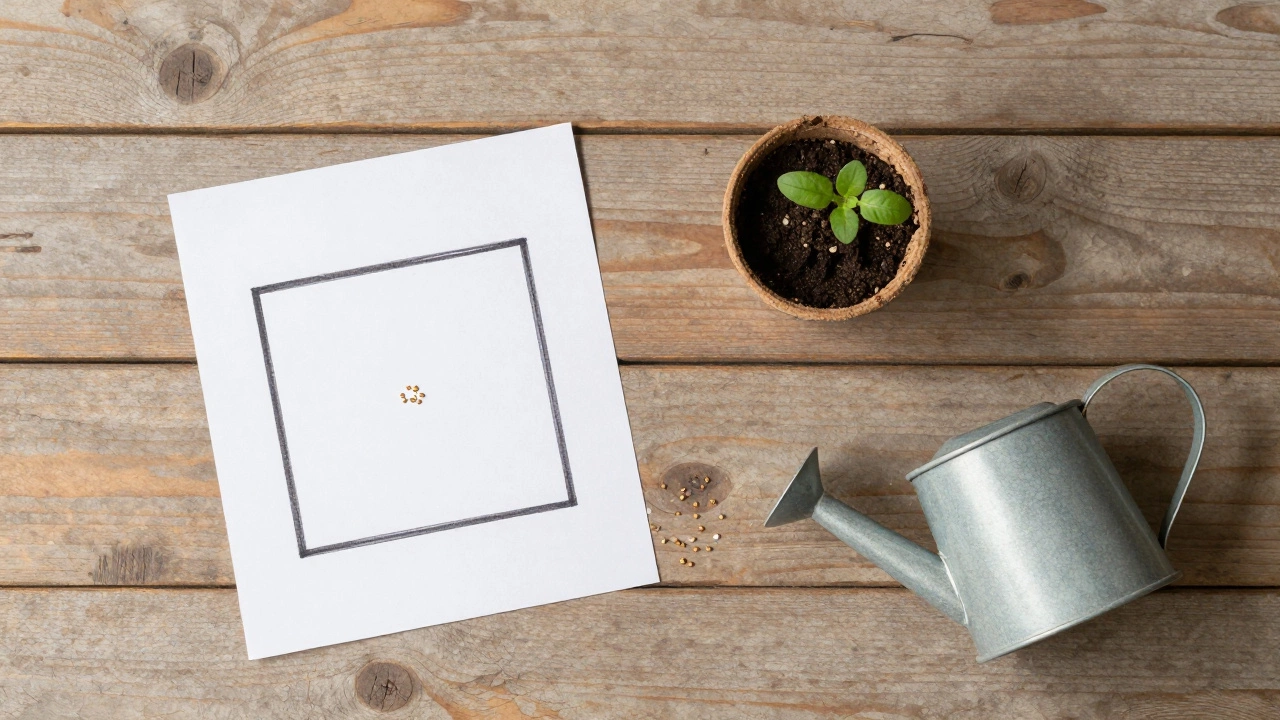
Start with a small plot, maybe four by four feet, or a few large containers. Focus on easy-to-grow crops that give you quick wins. Radishes, bush beans, and cherry tomatoes are forgiving and productive. As you learn the rhythms of your local climate and soil, you can expand. This approach keeps the hobby enjoyable rather than turning it into a chore.
Do I need to test my soil pH before starting?
For a beginner, a basic texture test (the squeeze test) is more immediately useful than a pH test. However, if you plan to grow acid-loving plants like blueberries or azaleas, testing pH is crucial. Most home garden plants thrive in a slightly acidic to neutral pH range of 6.0 to 7.0. You can buy inexpensive test kits at hardware stores.
Can I garden if I have bad soil?
Yes. Almost any soil can be improved with organic matter. Compost is the best amendment because it improves structure, drainage, and nutrient content simultaneously. If your soil is extremely poor, consider raised beds filled with high-quality potting mix and topsoil.
Yes. Almost any soil can be improved with organic matter. Compost is the best amendment because it improves structure, drainage, and nutrient content simultaneously. If your soil is extremely poor, consider raised beds filled with high-quality potting mix and topsoil.
How much sunlight do vegetables really need?
Most fruiting vegetables like tomatoes, peppers, and cucumbers need at least six to eight hours of direct sunlight per day to produce well. Leafy greens like lettuce and spinach can manage with three to six hours, but they may bolt (go to seed) faster in partial shade during hot weather.
Is it better to start with seeds or seedlings?
For beginners, starting with seedlings (young plants bought from a nursery) is easier and faster. Seeds offer more variety and are cheaper, but they require precise timing, temperature control, and care during the germination phase. Seedlings give you a head start and higher survival rates.
When is the best time to start gardening?
It depends on your local frost dates. In most temperate climates, spring is the primary planting season once the danger of frost has passed. However, you can also plant cool-season crops like kale and broccoli in early autumn for a fall harvest. Check your local USDA hardiness zone or equivalent for specific timing.