UK Travel Budget & Cost Estimator
Trip Details
Enter your details and click "Estimate Costs" to see your breakdown.
Picture this: you’ve landed at Heathrow, the air is crisp, and you’re ready to explore the cobblestone streets of Edinburgh or the bustling markets of Bristol. But then you step off the curb on the wrong side, get soaked by a sudden downpour despite the sun shining an hour ago, or accidentally insult someone by asking about their accent. It happens more often than you’d think.
The United Kingdom is a beautiful, historic, and incredibly welcoming place. However, it operates on a set of unspoken rules and logistical quirks that can catch even seasoned travelers off guard. From the way people queue to how public transport actually works, there are specific things you need to be careful of to avoid frustration, fines, or social awkwardness.
This guide breaks down the real-world pitfalls of visiting the UK in 2026, focusing on practical advice that goes beyond the standard tourist brochure.
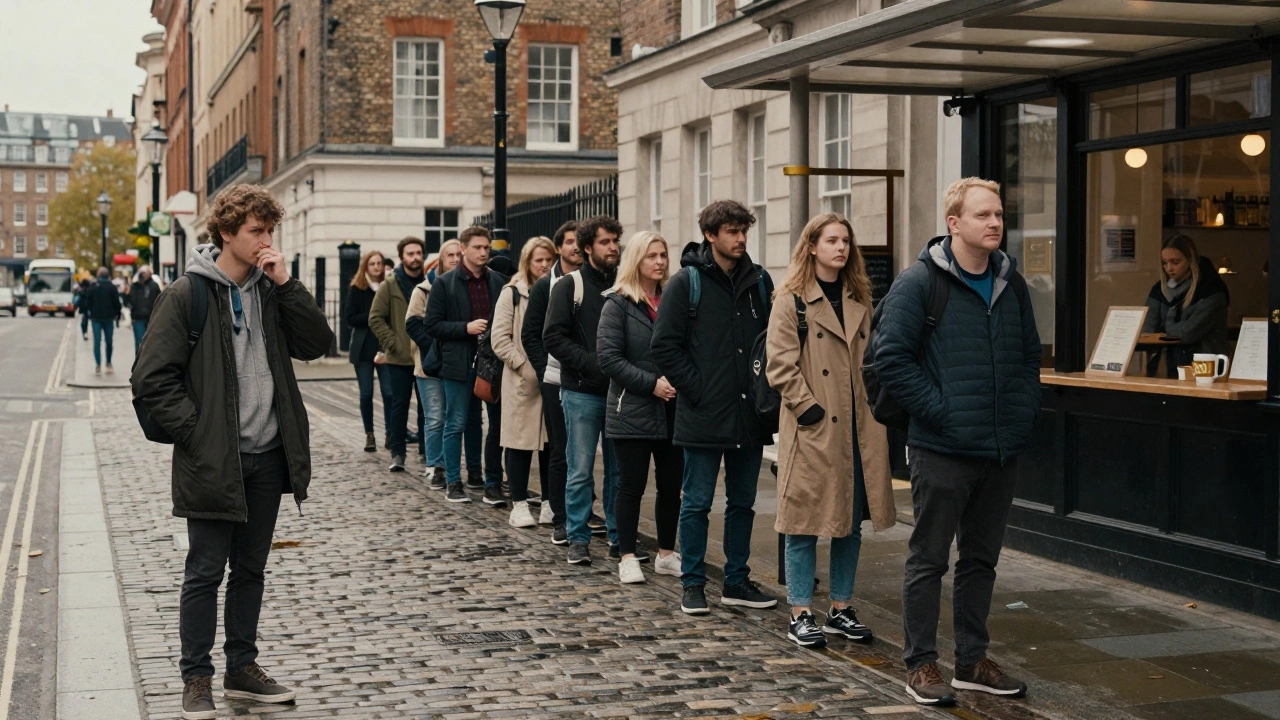
The Queue Culture: Don’t Break the Line
If there is one thing that defines British social interaction, it is the queue. Whether you are waiting for a bus, buying a pint, or standing in line for a museum ticket, the queue is sacred. Breaking into a line is not just rude; it can cause genuine outrage. People will stare, sigh loudly, and sometimes confront you directly.
Here is what you need to watch out for:
- Invisible lines: In rural areas or small shops, there might not be physical barriers. If someone is standing behind the counter, assume they are next. Do not cut in front of them.
- The "Sorry" reflex: You will hear "sorry" constantly. It doesn’t always mean an apology. It can mean "excuse me," "I didn’t hear you," or "oops." Using it correctly helps you blend in.
- Bus stops: Always wait in a single file line. Never crowd the driver’s door. Let passengers exit before you board.
I once saw a tourist try to jump ahead of a local at a coffee shop in Manchester. The silence that followed was deafening. The person in front simply said, "We have a system here," and walked away. The tourist got no coffee and a lot of judgment. Respect the queue, and you’ll earn respect in return.
Weather: The Great Deceiver
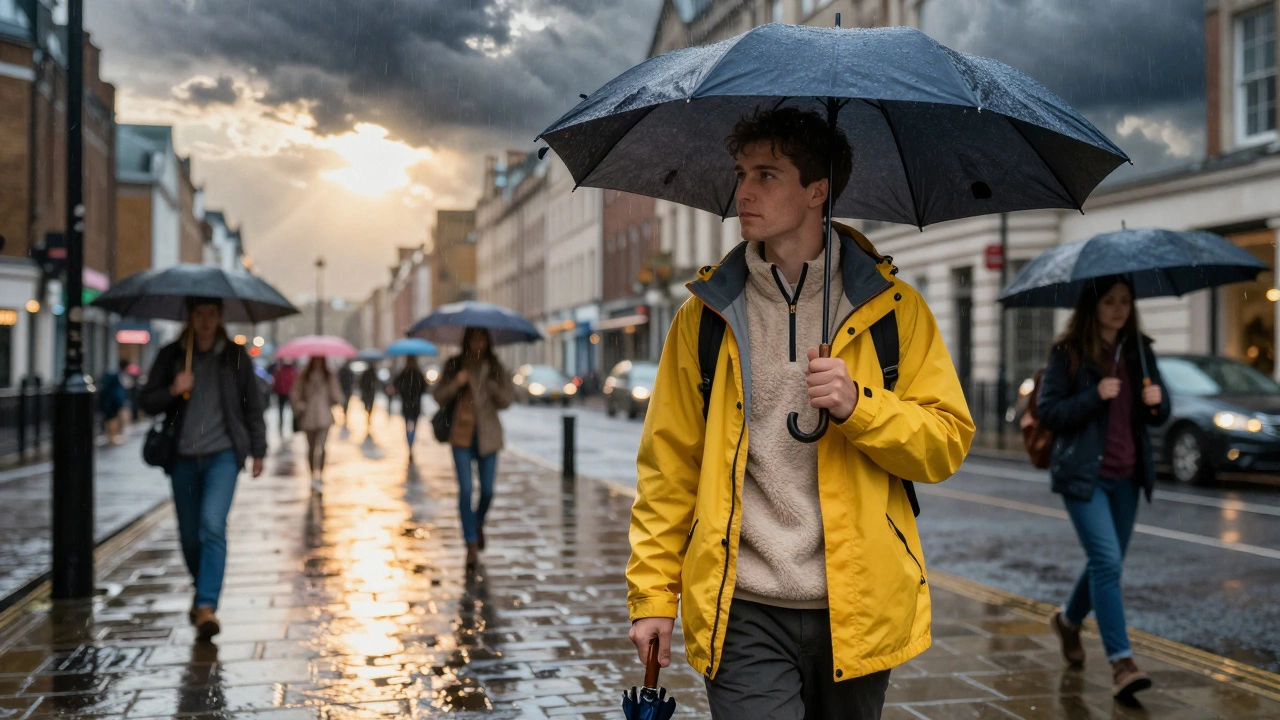
You cannot trust the weather forecast in the UK with your life. It is not hyperbole. The climate is maritime, meaning conditions change rapidly. You can experience four seasons in one day. This unpredictability requires a specific packing strategy and mindset.
Most visitors make the mistake of packing only for the current forecast. If the app says "sunny," they bring shorts and a t-shirt. Then, three hours later, it is raining sideways with wind chill. Being caught without layers is miserable.
Waterproof jacket is an essential piece of clothing for any UK traveler, providing protection against sudden rain showers and wind. Also known as rain coat, it should be breathable to prevent overheating during activity. Look for materials like Gore-Tex or similar waterproof membranes. A cheap plastic poncho will fail within minutes of sustained use.Always carry a compact umbrella or wear a waterproof layer, regardless of the season. Even in July 2026, when temperatures might reach 25°C (77°F), a cold front can roll in from the Atlantic, dropping temps and bringing heavy rain. Layering is key. Wear a base layer, a warm mid-layer like a fleece, and a waterproof outer shell. This allows you to adjust quickly as conditions change.
Public Transport: Navigating the System
The UK has one of the most extensive public transport networks in the world, but it can be confusing if you don’t know the rules. The biggest mistake tourists make is assuming all buses accept cash. They do not. Most buses, especially in London and major cities, are contactless-only. You must tap in with a bank card or a pre-paid travel card.
Another critical point is the Oyster card vs. Contactless debate. For short stays, using your own contactless bank card or phone is often cheaper and easier than buying an Oyster card. Daily caps apply automatically, so you won’t overpay. However, you must tap in and tap out on the Underground (Tube) and trains. Forgetting to tap out results in a maximum fare charge, which can be expensive.
| Method | Best For | Pros | Cons |
|---|---|---|---|
| Contactless Bank Card | Short trips, London | No extra card needed, daily cap applies | Not accepted on some rural buses |
| Oyster Card | Longer stays, London | Can add credit, widely accepted | £5 deposit fee, slower tap-in |
| Travelcard | Multi-day exploration | Unlimited travel in zones | Expensive if not used fully |
| Cash | Rural buses only | Universal backup | Exact change required, slow |
Also, be aware of peak hours. Traveling between 7:30 AM and 9:30 AM on weekdays means higher fares and crowded trains. If you can, travel outside these times to save money and stress.
Social Etiquette: Tipping and Talking
Tipping culture in the UK is different from the US. In restaurants, a 10-12.5% service charge is often added automatically to the bill. Check your receipt before adding extra. If no service charge is included, tipping 10% is standard for good service. However, tipping is not expected in pubs, cafes, or for takeaway food. Leaving loose change in the tip jar is appreciated but not mandatory.
Conversation starters can also be tricky. Avoid asking people where they are "from" if they look British. It implies they are not truly British, which can be offensive. Instead, comment on the weather, the venue, or a shared experience. Brits appreciate indirect communication. Direct questions about personal income, politics, or religion are generally avoided in casual settings.
Humor is big in the UK. Self-deprecation and irony are common. If someone makes a joke at their own expense, laugh along. It shows you understand the cultural nuance. Conversely, taking everything literally can lead to misunderstandings. When a Brit says, "That’s interesting," they might mean, "I disagree strongly." Context matters.
Safety and Scams: Staying Alert
The UK is generally safe, but like any major tourist destination, it has its share of scams. Be particularly cautious in London, especially around major attractions like Buckingham Palace, Tower Bridge, and Covent Garden.
Common scams include:
- The petition scam: Someone hands you a clipboard to sign a petition. While you are distracted, an accomplice pickpockets your bag or wallet. Always keep your belongings in sight.
- The friendship bracelet scam: Vendors force bracelets onto your wrist and then demand payment. Refusing to pay can lead to harassment. Simply walk away firmly and do not engage.
- Fake police officers: Scammers may claim to be police and ask to check your wallet for counterfeit notes. Real police will show ID and never ask to handle your money. Report suspicious behavior to official authorities immediately.
At night, stick to well-lit main streets. Avoid shortcuts through parks or alleys. While violent crime is low, petty theft is common in crowded areas. Use a cross-body bag and keep zippers closed. Trust your instincts. If a situation feels wrong, leave.
Dining and Drinking: Pints and Pub Rules
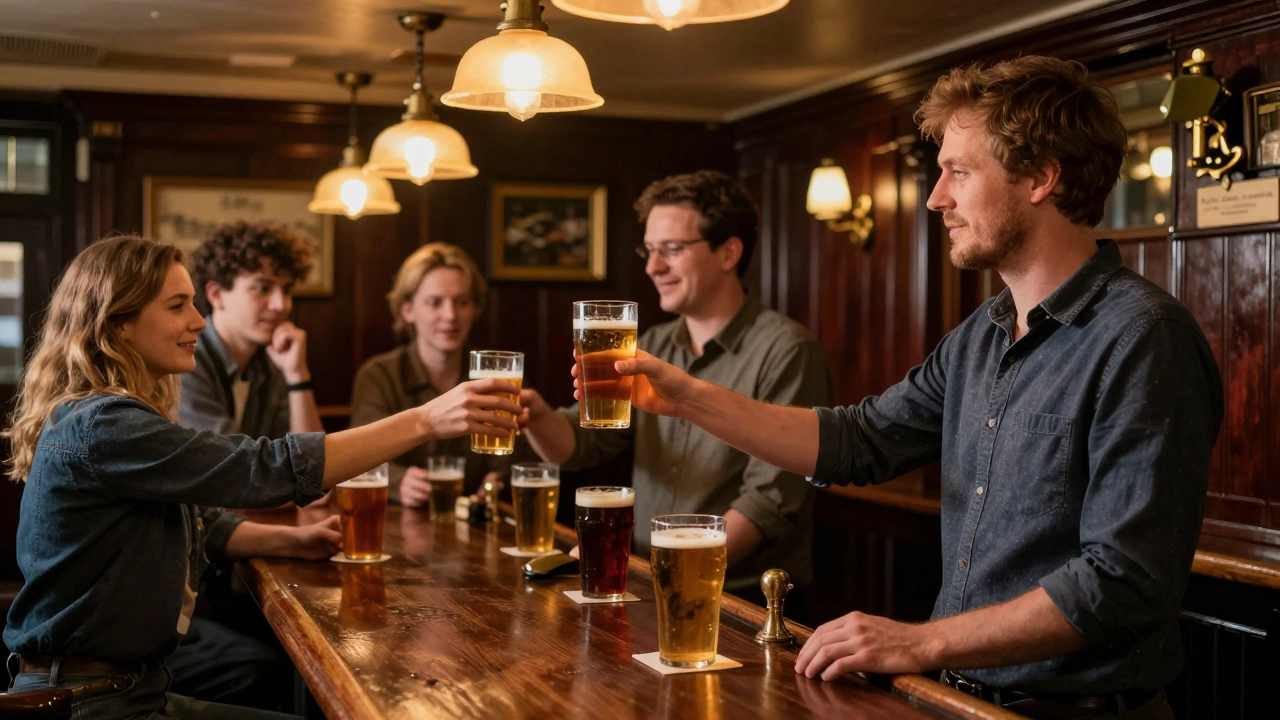
Pub culture is central to British life, but it comes with unwritten rules. First, know how to order a pint. In many pubs, you order at the bar, not at the table. There are no servers coming around. You must approach the bartender, state your order clearly, and pay immediately. Cash is still king in some older pubs, though contactless is becoming more common.
Second, understand the terminology. A "pint" is 568ml. Half-pints are less common. When ordering beer, specify the type (ale, lager, stout). If you are unsure, ask for a recommendation. Bartenders are usually happy to help.
Third, round buying is a common practice among friends. One person buys a round of drinks for the group, and others reciprocate later. As a tourist, you are not expected to participate unless invited. However, observing this custom can enhance your social experience.
Finally, be mindful of noise levels. Pubs are social spaces, but shouting is frowned upon. Keep conversations moderate. Late-night drinking is regulated, and closing times vary by location. Plan accordingly to avoid being locked out or fined.
Health and Hygiene: What to Pack
The National Health Service (NHS) provides emergency care to tourists, but it is not free for non-residents. You will be billed for treatment. Therefore, comprehensive travel insurance is non-negotiable. Ensure your policy covers medical evacuation and repatriation.
For minor ailments, pharmacies (chemists) are widespread and staffed by qualified pharmacists who can offer advice. Over-the-counter medications like paracetamol (painkiller) and ibuprofen (anti-inflammatory) are easily available. Bring a small first-aid kit with blister plasters, antiseptic wipes, and any prescription medications you need.
Water quality in the UK is high. Tap water is safe to drink everywhere. Save money and reduce plastic waste by carrying a reusable bottle. Many hotels and cafes provide filtered water stations.
Is it safe to walk alone at night in the UK?
Generally, yes, especially in city centers and well-lit areas. However, exercise caution in isolated parks or poorly lit streets. Stick to main roads and stay aware of your surroundings. Public transport is reliable late at night in major cities, but verify schedules beforehand.
Do I need to tip taxi drivers in the UK?
Tipping taxi drivers is not mandatory. Rounding up the fare to the nearest pound or leaving 10% for exceptional service is customary. Black cabs in London are metered, and fares are fixed. Ride-sharing apps like Uber allow digital tipping, but it remains optional.
What should I do if I lose my passport in the UK?
Report the loss immediately to the local police and obtain a report. Then, contact your country’s embassy or consulate. They will issue an emergency travel document. Have digital copies of your passport stored securely online to speed up the process.
Are plug adapters necessary for the UK?
Yes, the UK uses Type G plugs, which have three rectangular pins. Most countries require an adapter. Universal adapters are available at airports and electronics stores. Ensure your devices support 230V voltage to avoid damage.
How much does a typical meal cost in the UK?
Prices vary by location. A budget meal at a pub or cafe costs £10-£15. Mid-range restaurant meals range from £20-£40 per person. Fine dining can exceed £60. Street food and markets offer affordable options under £10. Always check menus online for current prices.