Minimalism: Real‑World Tips for Living with Less
Ever feel like your space is a constant noise machine? Minimalism isn’t just about tossing stuff away – it’s about making room for what truly matters. Below you’ll find quick ways to clear clutter, boost calm, and keep the lifestyle feeling fresh, not boring.
Why Minimalism Works for You
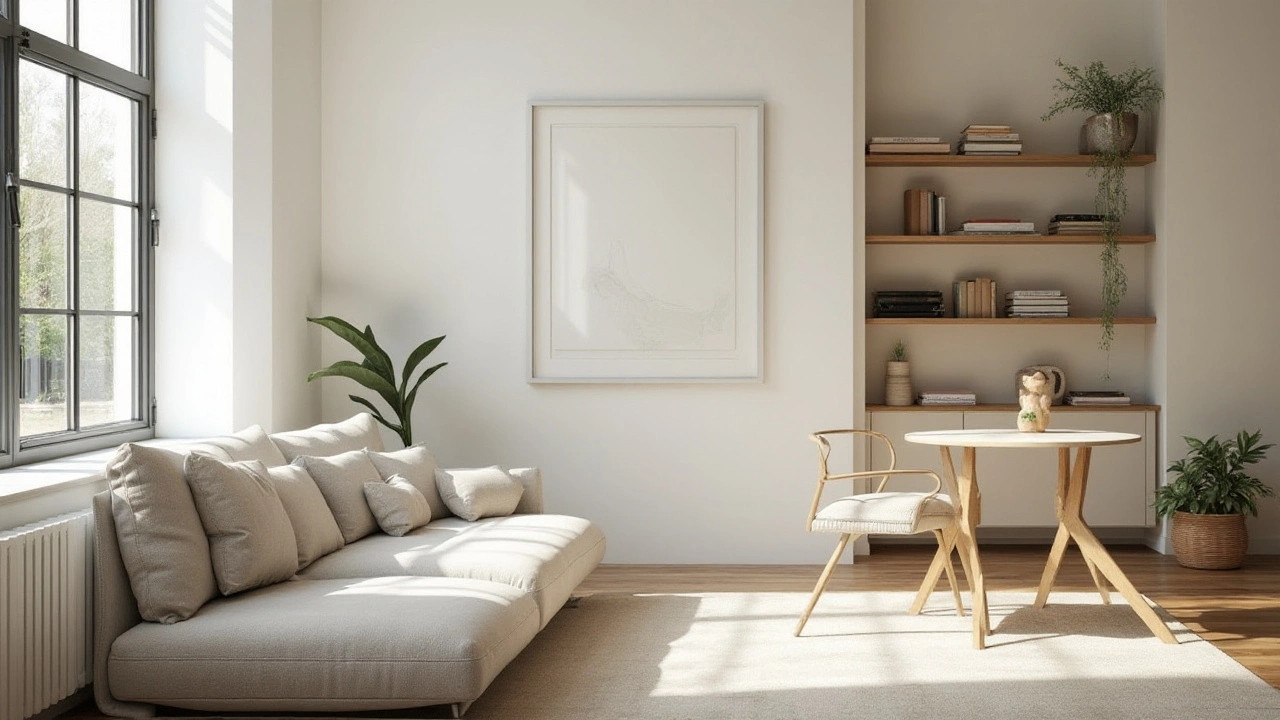
First off, fewer items mean fewer decisions. When you open a drawer and only see a couple of things, you skip the mental gymnastics of choosing what to use. That saves time and reduces stress. It also frees up physical space, so you can rearrange furniture, add a plant, or simply breathe easier.
Another win is money. When you stop buying things you don’t need, your bank account gets a break. That extra cash can go toward experiences – a weekend trip, a good book, or a cooking class – which align better with a minimalist mindset.
And guess what? Minimalism can fit any belief system. Whether you’re religious, spiritual, or secular, the core idea stays the same: focus on what adds value and let go of the rest. You’ll see this in articles about faith, frugality, and even the darker side of minimalism that plays with moodier colors.
Different Flavors of Minimalism
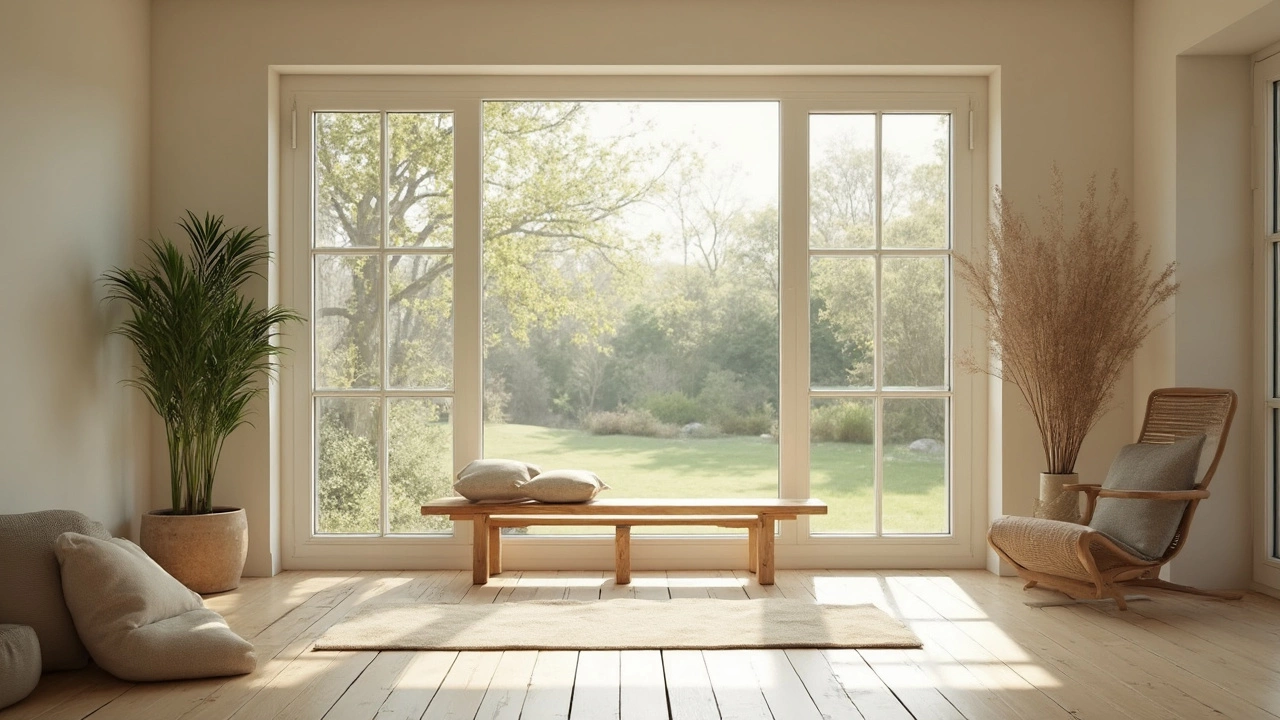
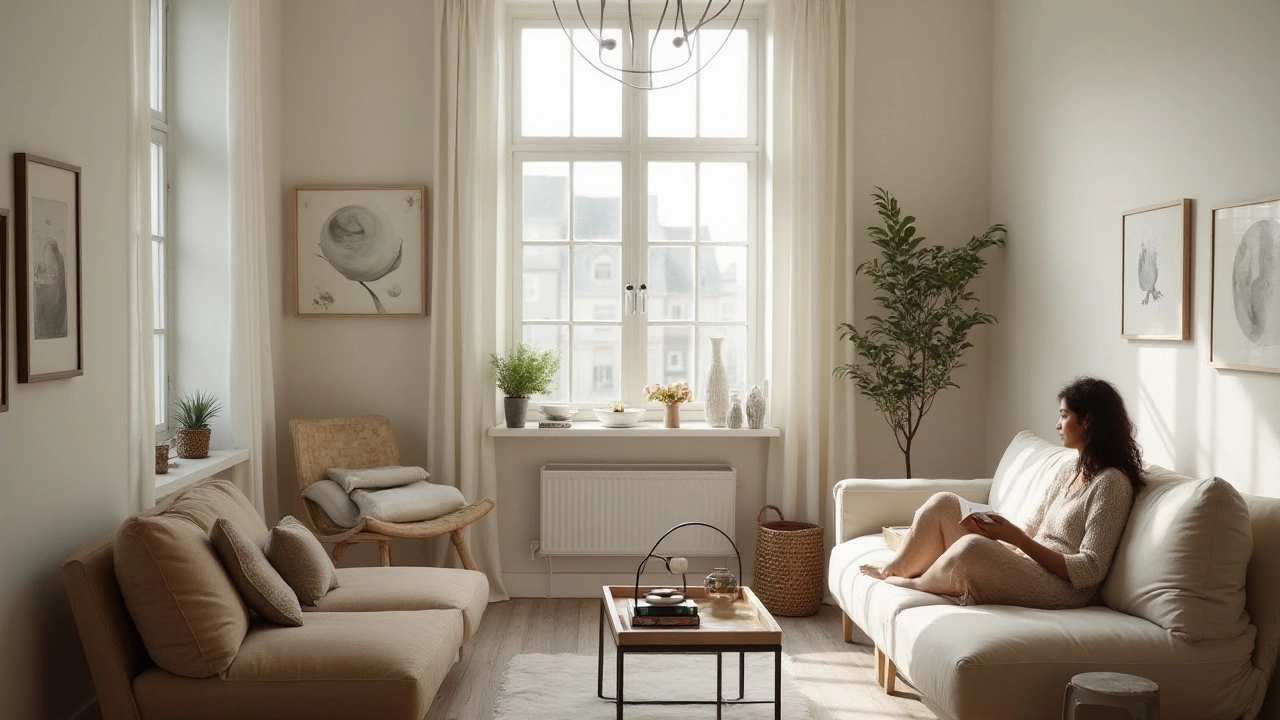
Not all minimalism looks the same. Zen minimalism borrows calm from Buddhist practice, encouraging uncluttered rooms and mindful routines. Imagine a tatami mat, a simple tea set, and a clear mind – that’s the vibe.
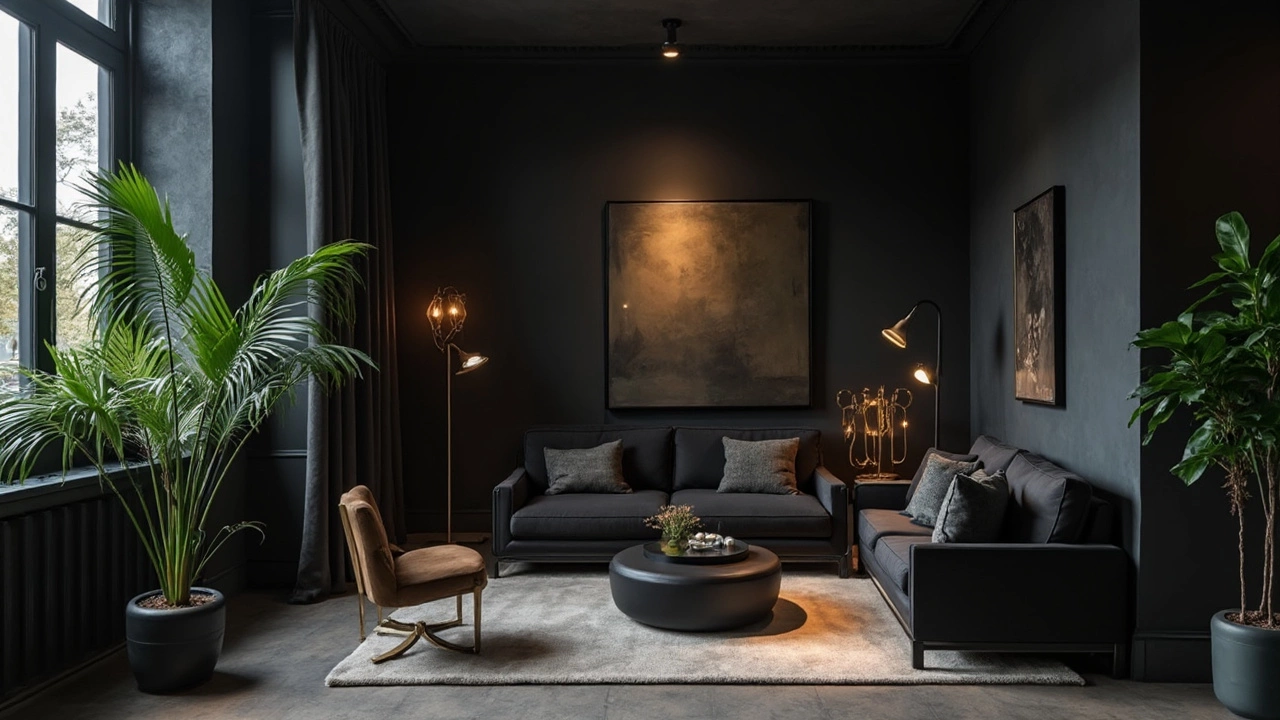
If you prefer a more dramatic look, dark minimalism swaps bright whites for deep shades. It’s still about less, but the mood is moody and sophisticated. Think charcoal walls, sleek metal accents, and a focus on texture over color.
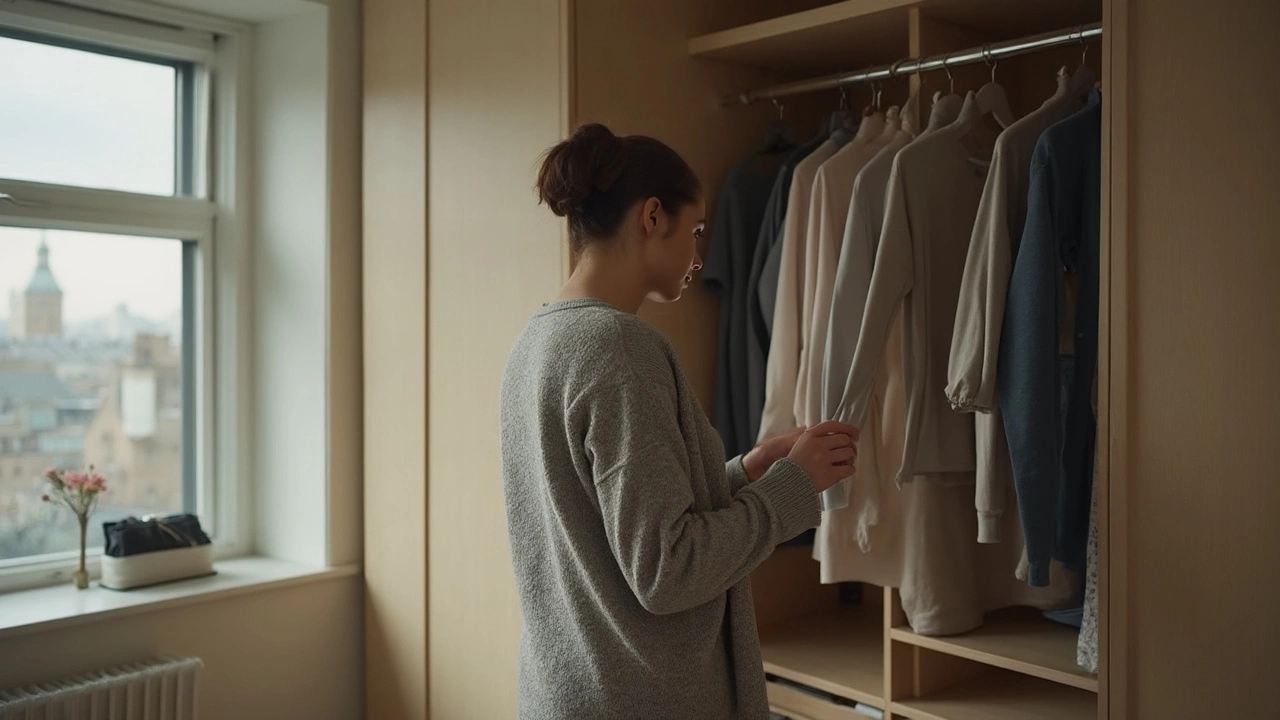
Some people push the idea to the extreme. Extreme minimalists live with barely any possessions, often staying in tiny spaces or nomadic lifestyles. Their stories show how far you can go when you truly commit, and they offer practical hacks you can borrow – like a one‑item wardrobe or a digital‑only library.
And then there’s the paradox of minimalism. Going too far can create anxiety, because you might feel you’ve emptied out too much. The key is to find a sweet spot where “less is more” feels right for you, not forced.
Finally, minimalism pairs nicely with frugality. Cutting down on stuff often means spending less, but the two aren’t identical. You can still enjoy a quality item if it serves a purpose, while keeping overall expenses low.
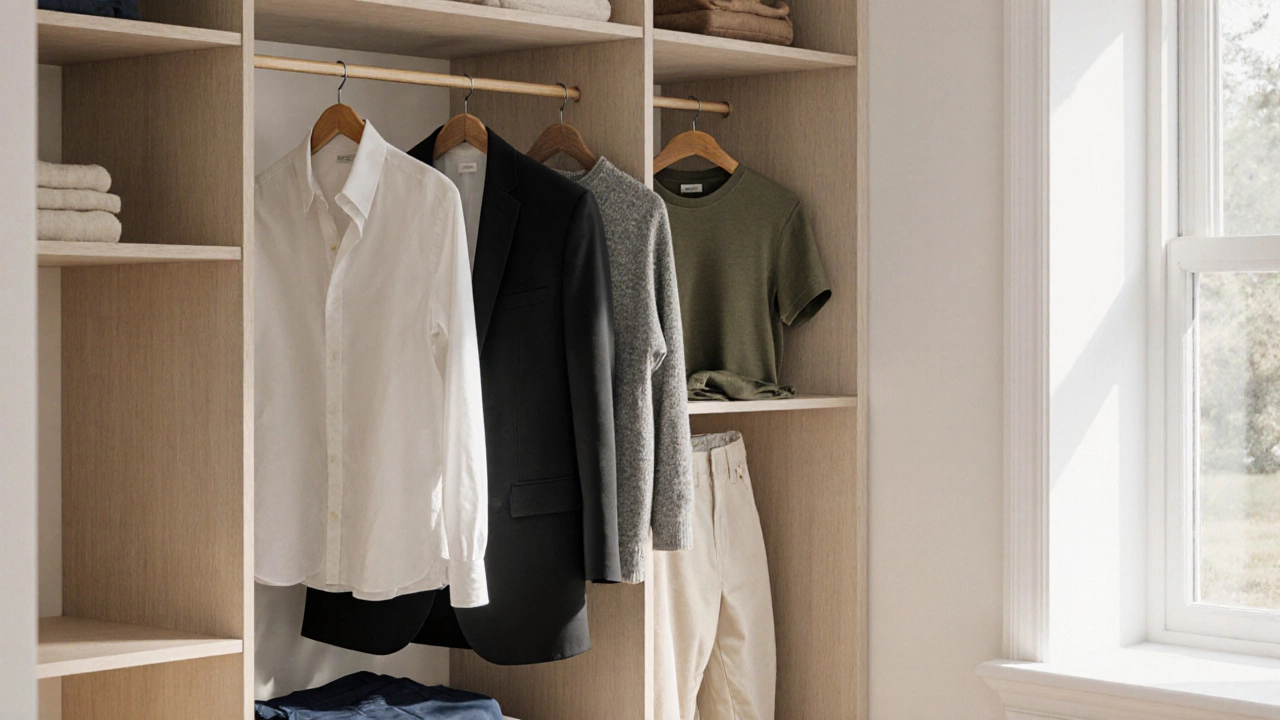
Ready to start? Begin with a single drawer. Pull everything out, keep only items you use weekly, and find a home for the rest – donate, sell, or recycle. Next, set a weekly “declutter hour” where you tackle a small area. Keep the process light: play music, treat it like a game, and celebrate each cleared spot.Remember, minimalism isn’t a rulebook; it’s a toolbox. Pick the pieces that fit your life, experiment with different styles, and watch how a lighter space makes a bigger impact on your daily mood. Happy simplifying!