Eco-Material Lifecycle Comparator
Select two materials below to compare their environmental profiles based on water usage, carbon footprint, and end-of-life recyclability. Remember: The best material depends on its intended use.
Greenwashing Check
Does the product claim match reality? Use this quick checklist before buying.
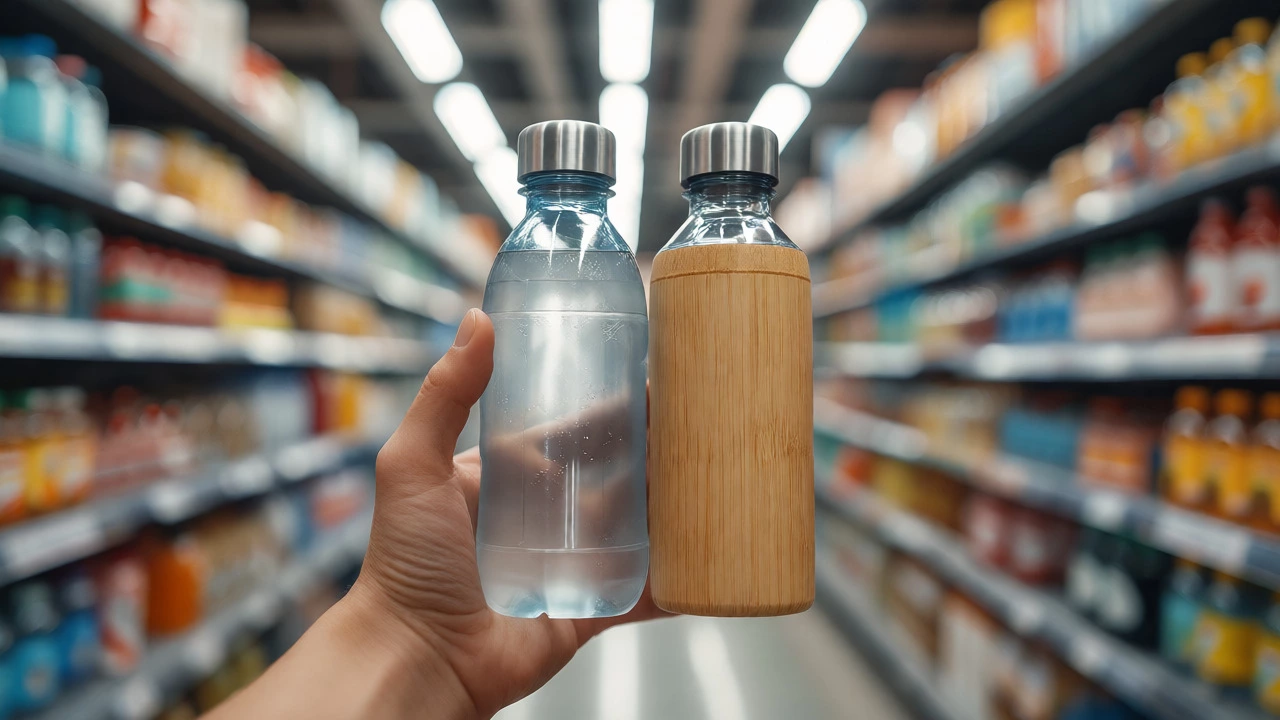
You’re standing in the aisle, holding two identical water bottles. One says "100% Recycled Plastic," the other says "Bamboo." Which one is actually better for the planet? It’s a trap question. Most of us guess wrong because we rely on vibes, not data. The truth is messy. Some "green" materials are energy hogs to produce, while some plastics last longer and save resources over time. If you want to stop guessing and start making choices that actually reduce your footprint, you need to understand the lifecycle of what you buy.
The Myth of the "Natural" Material
We tend to think natural equals good. Cotton feels soft, so it must be gentle on the earth, right? Not necessarily. Cotton is one of the thirstiest crops on the planet. It takes about 10,000 liters of water to produce just one kilogram of cotton fiber. That’s enough drinking water for one person for ten years. Compare that to Polyester, which uses far less water but relies on fossil fuels and sheds microplastics when washed. There is no perfect material. Every choice involves a trade-off between water use, carbon emissions, land use, and toxicity. Your job isn’t to find perfection; it’s to match the material to its purpose.
Bamboo vs. Wood: The Processing Trap
Bamboo gets a lot of hype. It grows fast, needs no pesticides, and sequesters carbon quickly. But here’s the catch: turning hard bamboo stalks into soft fabric or smooth plates requires heavy chemical processing. Most bamboo textiles are made using the viscose process, which involves toxic solvents like carbon disulfide. Unless it’s labeled as mechanically processed or closed-loop (like Tencel/Lyocell), your "eco-friendly" bamboo shirt might have polluted local waterways during production. Solid bamboo products, like cutting boards, are different-they don’t require those harsh chemicals, making them genuinely low-impact compared to plastic.
The Case for Durable Plastics
It feels counterintuitive to defend plastic, but hear me out. In single-use applications, plastic is terrible. But in durable goods, it can be efficient. Consider a reusable coffee cup. If you buy a stainless steel mug, it has a high initial carbon cost due to mining and smelting. You need to use it hundreds of times to break even against a disposable paper cup lined with plastic. A high-quality Tritan plastic bottle, however, is lightweight and requires less energy to manufacture and transport. If you actually reuse it daily for years, its total environmental impact per use can be lower than heavier materials. The key word is "reuse." A plastic bottle used once is waste. Used five hundred times, it’s a tool.
Hemp and Linen: The Low-Impact Heroes
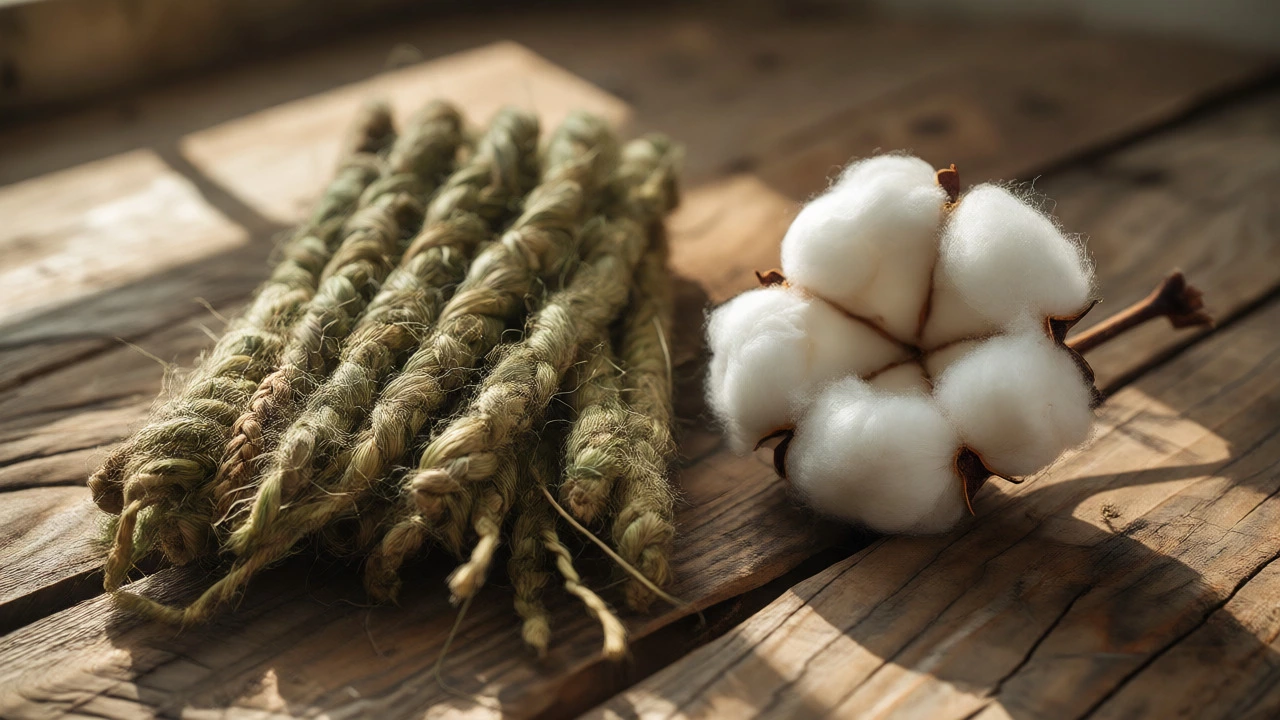
If you’re looking for textiles, look at Hemp and Linen (flax). These plants are tough. They grow in poor soil, require minimal irrigation, and naturally suppress weeds, meaning farmers don’t need herbicides. Hemp also returns nutrients to the soil. Unlike cotton, which depletes land, hemp improves it. The downside? They wrinkle easily and feel stiffer initially. But they last longer than cotton. A hemp t-shirt can survive decades of washing without losing shape. When you factor in durability, the resource cost per year of use drops significantly. This is where true sustainability lives: in longevity.
Recycled vs. Virgin Materials
People often assume recycled is always better. For aluminum and glass, yes. Recycling aluminum saves 95% of the energy needed to make new aluminum from bauxite ore. Glass recycling reduces raw material extraction and lowers melting temperatures. But for plastic, it’s complicated. Most plastic downcycles-it turns into lower-grade products that eventually end up in landfills anyway. Plus, sorting mixed plastics is inefficient. Before choosing a "recycled" product, ask: Can this actually be recycled again at the end of its life? If not, virgin material with a long lifespan might be the smarter pick.
| Material | Water Usage | Carbon Footprint | End-of-Life | Best Use Case |
|---|---|---|---|---|
| Cotton | Very High | Moderate | Biodegradable | Short-term clothing |
| Bamboo (Viscose) | Low | High (Processing) | Hard to recycle | Soft textiles (if closed-loop) |
| Hemp | Low | Low | Biodegradable | Durable clothing/home textiles |
| Stainless Steel | Moderate | High (Initial) | Fully Recyclable | Long-term containers/kitchenware |
| Aluminum | Low | High (Virgin) / Very Low (Recycled) | Fully Recyclable | Cans/packaging |
| Glass | Low | Moderate | Fully Recyclable | Food storage/bottles |
How to Spot Greenwashing
Brands love terms like "natural," "non-toxic," and "earth-friendly." These words have no legal definition in many regions. Instead, look for third-party certifications. Global Organic Textile Standard (GOTS) verifies organic fibers and social criteria. FSC (Forest Stewardship Council) ensures wood comes from responsibly managed forests. Cradle to Cradle Certified evaluates material health, reutilization, renewable energy use, and water stewardship. If a product lacks these labels, dig deeper. Check if the company publishes an annual sustainability report. Vague promises mean nothing; specific data means something.
Practical Swaps That Actually Work
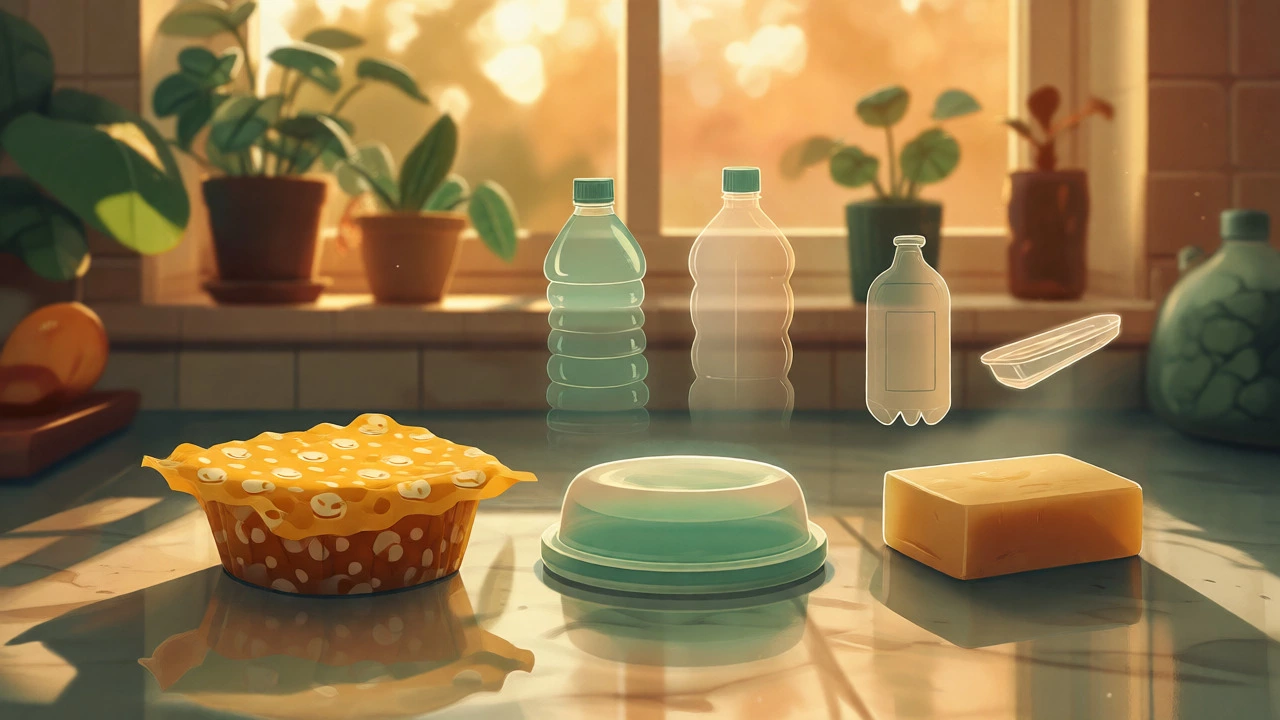
You don’t need to replace everything in your home overnight. Focus on high-waste areas first. Switch from synthetic sponges to cellulose sponges or loofahs. Replace plastic wrap with beeswax wraps or silicone lids. Choose bar soap over liquid body wash in plastic bottles-this cuts packaging waste and shipping weight. For laundry, switch to powder detergent in cardboard boxes instead of plastic jugs. These small changes add up because they reduce both material use and transportation emissions.
What About Bioplastics?
Bioplastics sound great-made from corn or sugarcane instead of oil. But most require industrial composting facilities, which aren’t available everywhere. If thrown in a regular landfill, they behave like conventional plastic. Some, like PLA (polylactic acid), only break down under high heat and humidity. Don’t toss a "compostable" cup in your garden pile expecting it to vanish. It might take years. Stick to bioplastics only if you have access to proper composting infrastructure.
The Bottom Line
Eco-friendliness isn’t about finding a magic material. It’s about reducing consumption first, then choosing wisely. Buy less, choose well, make it last. Prioritize materials that are durable, repairable, and recyclable in your local system. Avoid single-use items regardless of material. And remember: the greenest product is the one you already own.
Is bamboo really more eco-friendly than plastic?
Not always. While bamboo grows sustainably, converting it into fabric often involves toxic chemicals. Solid bamboo products are generally better than plastic for durability and biodegradability, but bamboo textiles depend heavily on the manufacturing process. Look for closed-loop Lyocell bamboo for the best balance.
Why is cotton considered bad for the environment?
Cotton is extremely water-intensive and often heavily sprayed with pesticides. Conventional cotton farming degrades soil health and pollutes waterways. However, organic cotton reduces pesticide use, though it still requires significant water. Hemp and linen are generally lower-impact alternatives.
Are recycled materials always better than virgin ones?
For metals like aluminum and glass, yes, recycling saves massive amounts of energy. For plastics, it’s complex because most plastics degrade in quality when recycled (downcycling) and may end up in landfills sooner. Always consider the product's lifespan and local recycling capabilities before assuming recycled is superior.
What does 'biodegradable' actually mean?
Biodegradable means a material can be broken down by microorganisms into natural elements. However, this often requires specific conditions like industrial composting (high heat, moisture, microbes). Many biodegradable items won't decompose in a standard home compost bin or a landfill.
Which certification should I trust most?
Look for GOTS for textiles, FSC for wood products, and Cradle to Cradle for overall product lifecycle assessment. These are rigorous, third-party verified standards. Avoid unregulated terms like "natural" or "green" without backing.