
Wardrobe Fit & Style Assistant
Your Custom Recommendations
Fit & Silhouette Strategy
Best Color Palette
Fabric & Material Guide
You stand in front of your closet, surrounded by hangers, yet you feel like you have absolutely nothing to wear. It’s a frustrating paradox: we own more clothes than ever before, but finding pieces that actually make us feel confident and comfortable remains surprisingly difficult. The problem usually isn’t a lack of options; it’s a lack of clarity about what works for your specific body, lifestyle, and personal taste. Choosing the right clothes isn’t about chasing trends or spending a fortune on designer labels. It’s about understanding the mechanics of fit, color, and fabric so that every item in your rotation serves a purpose.
The Foundation: Understanding Fit Over Size
Most people fixate on the number on the tag-size 8, medium, large-but this is the first trap to avoid. Clothing sizes vary wildly between brands, regions, and even different cuts within the same brand. A "medium" in one store might be an "extra-small" in another. Instead of looking at the label, look at how the garment interacts with your body. Fit is the degree to which a garment conforms to your body's dimensions without restricting movement or creating unwanted bulk.
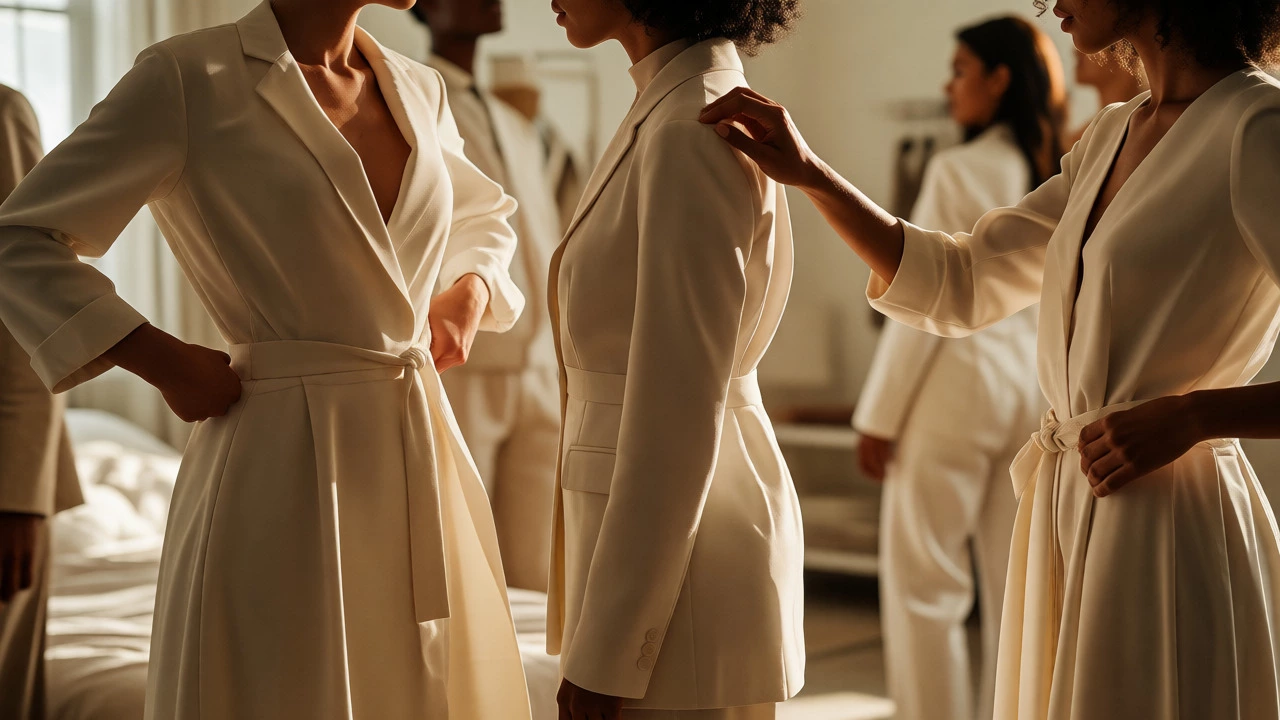
When you try something on, check three critical areas first: the shoulders, the waist, and the length. If the shoulder seam of a shirt falls off your actual shoulder bone, it’s too big. If it pulls tight across your back when you reach forward, it’s too small. These structural points are hard to alter cheaply. Waistlines should sit where they are intended to, whether that’s high on the natural waist or lower on the hips. Length matters just as much; pants that bunch excessively at the ankle or sleeves that cover your hands entirely can distort your proportions. Remember, tailoring is not a sign of failure-it’s a tool for perfection. Spending $15 to hem a pair of trousers can save a $60 item from becoming unwearable clutter.
Decoding Your Body Shape
While everyone is unique, most bodies fall into broad categories that respond well to certain silhouettes. This isn’t about hiding parts of yourself; it’s about balancing your visual lines. If you have an hourglass figure, defined by a narrower waist compared to your bust and hips, fitted styles that follow your curves often highlight your natural symmetry. Avoid boxy shapes that obscure your waistline.
For those with a rectangular or straight body type, where the bust, waist, and hip measurements are similar, adding definition can create the illusion of curves. Peplum tops, belted dresses, or structured jackets can introduce necessary dimension. Conversely, if you carry weight in your midsection (apple shape), V-necklines draw the eye upward and elongate the torso, while empire-waist dresses flow away from the stomach area. Pear-shaped individuals, who carry more weight in the hips and thighs, often find balance by drawing attention upward with statement necklines or structured shoulders, while choosing darker colors or wider-leg trousers for the lower half. Use these as starting points, not rigid rules. The goal is harmony, not camouflage.
The Role of Color and Skin Tone
Wearing the wrong color can wash you out, making you look tired even if you’re well-rested. Color analysis helps identify which hues complement your natural skin undertone-whether warm, cool, or neutral. Warm undertones generally glow in earth tones like olive green, mustard yellow, and warm browns. Cool undertones tend to look vibrant in jewel tones like emerald, sapphire, and stark white. Neutral undertones have the luxury of mixing both palettes.
You don’t need to hire a professional consultant to get started. Hold different colored fabrics near your face in natural daylight. Notice which ones brighten your eyes and smooth your skin texture versus those that cast shadows or emphasize redness. Once you identify your best colors, build a core palette around them. This simplifies shopping because you know exactly what will work together. For example, if navy blue is a power color for you, invest in high-quality navy basics. They act as a blank canvas for bolder accessories or patterned pieces.
Lifestyle Audit: Dressing for Your Real Life
A common mistake is buying clothes for the life you wish you had, rather than the one you actually live. You might buy five pairs of heels for a hypothetical office promotion, only to realize you work remotely in sweatpants. Or perhaps you purchase delicate silk blouses that require dry cleaning, despite having a messy job or young children. To choose the right clothes, conduct a honest audit of your weekly activities.
Categorize your time: How many hours do you spend sitting at a desk? Walking outside? Attending formal events? If 80% of your week is spent commuting and working in a casual environment, your wardrobe should reflect that reality. Prioritize comfort and durability. Fabrics like cotton blends, merino wool, and high-quality synthetics offer stretch and resilience. Save the special occasion outfits for the 5-10% of times you actually need them. When your clothes match your daily routine, you’ll wear them more, getting better value per dollar and feeling less stressed about decision fatigue in the morning.
Fabric Matters More Than Brand
We often judge quality by the logo, but the material tells the true story. Cheap polyester pills after two washes and traps heat, leaving you uncomfortable. Natural fibers like cotton, linen, and wool breathe better and age more gracefully, though they may require more care. However, modern technology has improved synthetic blends significantly. Look for items with a high percentage of natural fibers or advanced technical fabrics designed for performance.
Check the weight of the fabric. Thin, see-through materials often look cheap and cling awkwardly. Heavier weights drape better and hide undergarments more effectively. Also, consider the maintenance. Do you have time to hand-wash delicates? If not, stick to machine-washable materials. Buying a beautiful sweater that shrinks in the dryer is worse than owning a modest tee that stays true to size. Read the care labels before you buy, not after.
Building a Capsule Wardrobe
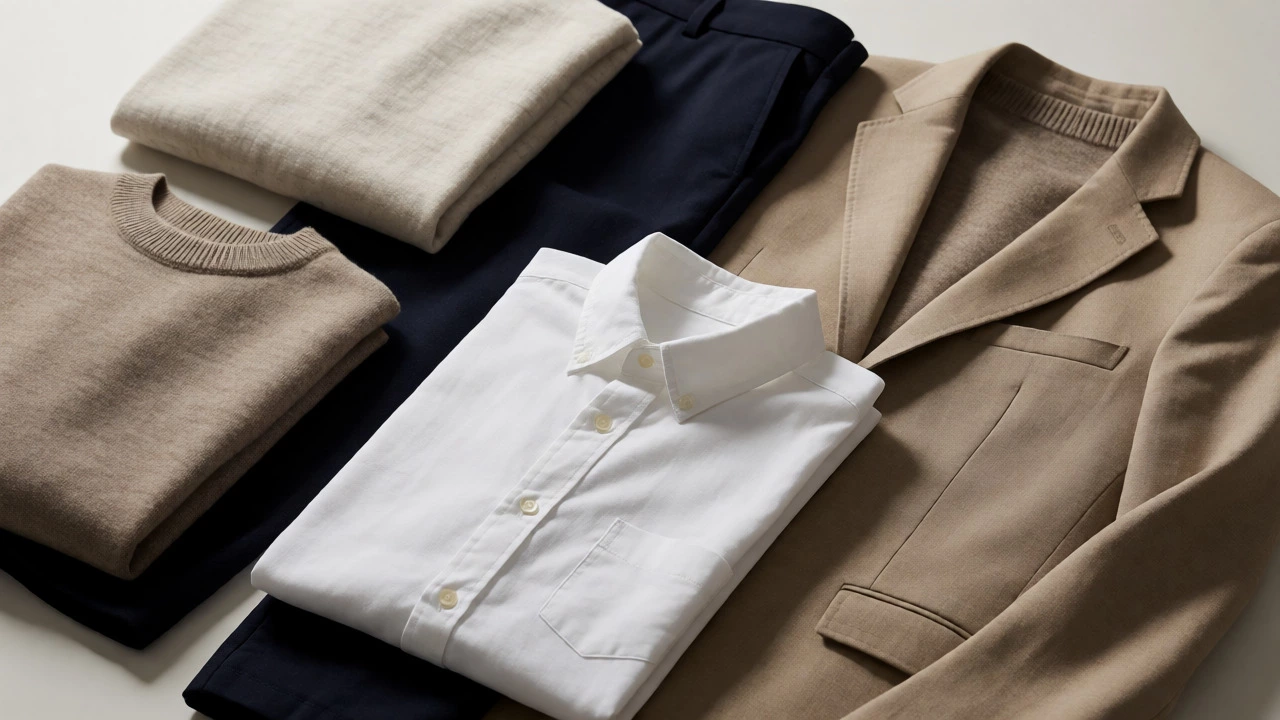
Overwhelming choices lead to paralysis. A capsule wardrobe consists of a limited number of versatile, interchangeable pieces that mix and match easily. Start with neutrals: black, white, gray, navy, and beige. These colors coordinate effortlessly. Then add a few accent pieces that reflect your personality. For instance, a classic white button-down shirt pairs with jeans, skirts, and blazers. A well-fitted black trouser works for business meetings and dinner dates.
Apply the "Three-Outfit Rule." Before buying any new item, ask yourself: Can I style this with at least three things I already own? If the answer is no, put it back. This discipline prevents impulse buys that end up gathering dust. Over time, you’ll curate a collection where everything fits together, reducing morning stress and ensuring you always look put-together.
| Need | Best Fabric Options | Avoid |
|---|---|---|
| Hot Weather | Linen, Light Cotton, Rayon | Polyester, Heavy Denim |
| Cold Weather | Merino Wool, Cashmere, Fleece | Thin Synthetics |
| Office Formal | Wool Blends, Silk, Structured Cotton | Jersey Knit, Distressed Denim |
| Active/Casual | Spandex Blends, Performance Nylon | Stiff Linen, Delicate Lace |
Trial and Error: The Shopping Process
Online shopping offers convenience but hides fit issues until delivery. Always check the return policy. Order multiple sizes if you’re unsure. Try items on over the underwear you plan to wear with them. Move around-sit down, raise your arms, walk-to test range of motion. If you have to tug at a hem or adjust a strap constantly, it’s not the right fit, no matter how good it looks on the hanger.
In-store, take photos of yourself in the mirror. Sometimes we miss details when viewing ourselves directly. A photo reveals how the outfit sits from all angles. Also, wait 24 hours before making non-essential purchases. This cooling-off period kills impulse buying urges and helps you evaluate if you truly love the item or just liked the discount.
Do I really need to know my body shape?
Knowing your general body shape is helpful but not mandatory. It serves as a shortcut to finding flattering silhouettes faster. However, personal preference and comfort are equally important. If you love a silhouette that defies traditional "rules" for your shape, wear it. Confidence outweighs conventional styling advice.
How many clothes should I own?
There is no magic number. It depends on your laundry habits and climate. Generally, aim for enough to go 7-10 days without doing laundry, plus seasonal outerwear. A functional wardrobe is one where every item gets worn regularly. If you haven't worn something in six months, consider donating it.
Is expensive clothing always better quality?
Not necessarily. High prices often pay for branding and marketing. Check seams, stitching density, and fabric content instead of relying on price tags. A $30 shirt made of durable cotton with reinforced stitching can outlast a $100 designer top made of thin, fragile silk.
What if I hate shopping?
Focus on essentials and repeat purchases. Find a few brands whose sizing and style consistently work for you. Stick to their collections. Consider subscription services or personal shoppers if budget allows. Reducing the frequency of shopping trips by buying higher-quality staples can also minimize the burden.
How do I start building a capsule wardrobe?
Start by decluttering your current closet. Keep only items that fit well and make you feel good. Identify gaps in your basics (e.g., missing black pants, plain tees). Buy replacements slowly, prioritizing versatility. Aim for a neutral base first, then add personality through accessories.