Find Your Perfect UK Scenic Destination
What kind of landscape makes your heart skip a beat?
How do you prefer to explore nature?
What vibe are you looking for?
Asking which part of the UK is the most scenic is like asking which flavor of ice cream is the best. It depends entirely on what you crave in that moment. Do you want jagged peaks piercing through clouds? Rolling green hills dotted with sheep? Or perhaps dramatic coastlines where the Atlantic crashes against ancient cliffs?
There isn't one single answer because the United Kingdom packs an incredible variety of landscapes into a relatively small area. However, if we are talking about raw, breathtaking beauty that stops you in your tracks, a few regions consistently rise to the top. These aren't just pretty postcards; they are places that have shaped literature, inspired artists, and left travelers speechless for centuries.
The Raw Power of the Scottish Highlands
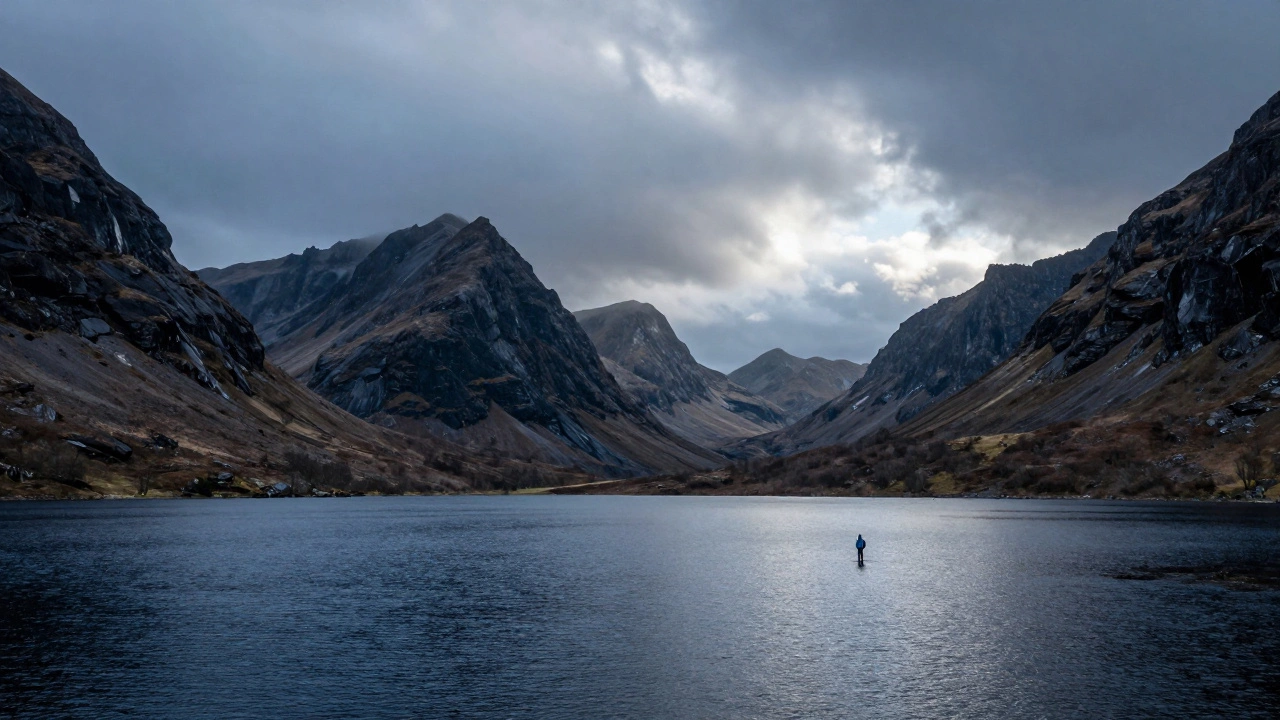
If you prefer drama over subtlety, The Scottish Highlands are a vast, rugged mountainous region in northern Scotland known for its deep glens, lochs, and castles. This is where the landscape feels wild and untamed. The terrain here is defined by millions of years of geological history, resulting in sharp ridges and deep valleys that seem carved by giants.
The highlight here is undoubtedly Glencoe. Often cited as the most beautiful valley in the UK, Glencoe offers a stark, moody beauty. The dark mountains contrast sharply with the grey sky and the shimmering water of the nearby Loch Leven. It’s a place that feels remote, even though it’s accessible by car. The silence here is heavy, broken only by the wind or the distant call of a bird.
Then there is the Isle of Skye, often called the 'Isle of Dreams'. With its Fairy Pools, the Old Man of Storr, and the Quiraing, Skye looks almost otherworldly. The light changes rapidly here, creating scenes that look surreal in photographs. If you love hiking and don’t mind a bit of rain (it rains a lot), this is arguably the most visually striking place in the entire country.
- Best for: Dramatic mountains, solitude, and photography.
- Key spots: Glencoe, Isle of Skye, Loch Ness, Ben Nevis.
- Vibe: Wild, moody, and epic.
The Serene Beauty of the Lake District
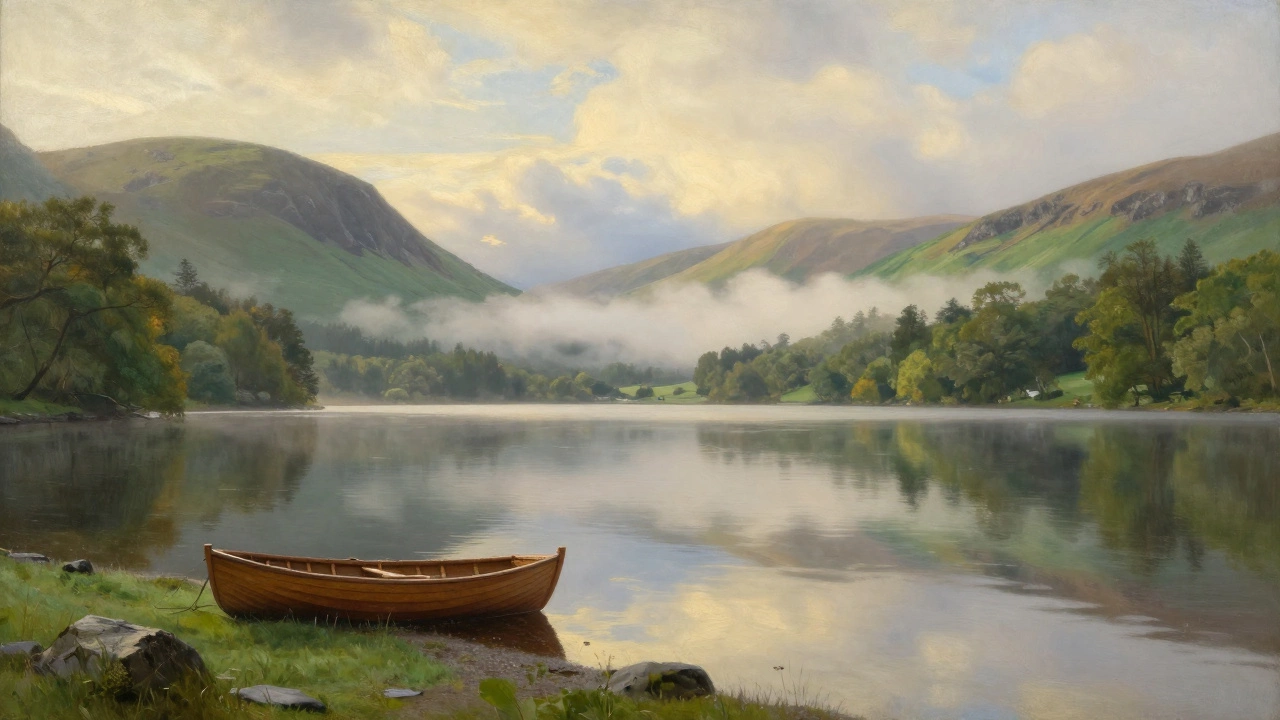
On the other end of the spectrum lies the Lake District National Park. Located in Cumbria, this area was designated a UNESCO World Heritage Site not just for its natural beauty, but for how humans have shaped the landscape over thousands of years. It is a place of lakes-called 'lokes' in the local dialect-surrounded by fells (the local term for hills or mountains).
The Lake District appeals to those who find peace in water and greenery. Windermere is the largest lake, but many argue that smaller bodies of water like Derwentwater or Ullswater offer more intimate beauty. The reflections of the surrounding fells on calm mornings create mirror-like images that are stunningly peaceful.
This region is also steeped in literary history. William Wordsworth and Beatrix Potter both lived here, drawn by the inspiration the landscape provided. Walking the same paths they walked adds a layer of cultural depth to the visual experience. The villages, like Keswick and Ambleside, are charming without being overly touristy, offering cozy pubs and tearooms perfect for recovering after a hike up Scafell Pike, England's highest peak.
- Best for: Lakes, gentle hikes, literary history, and cozy villages.
- Key spots: Windermere, Scafell Pike, Grasmere, Dove Lake.
- Vibe: Peaceful, pastoral, and inspiring.
The Green Heart of England: The Yorkshire Dales
If you imagine England as a patchwork quilt of green fields, stone walls, and dry-stone buildings, you are picturing the Yorkshire Dales. This national park in North Yorkshire is famous for its limestone scenery. Unlike the volcanic rock of the Highlands or the slate of Wales, limestone creates unique features like gorges, caves, and sinkholes.
The Malham Cove is a standout feature. It’s a massive semi-circular cliff face that looks like a slice of cake cut out of the earth. Behind it lies Malham Tarn, a reservoir surrounded by birch trees. Further along, you’ll find Gordale Scar, a narrow gorge formed by underground rivers dissolving the limestone. It’s a geological wonder that feels like stepping into a different era.
The Dales are also incredibly walkable. The Pennine Way, one of the UK's longest long-distance footpaths, runs through here. The villages are quintessentially English, with wool-mill histories and friendly locals. It’s less dramatic than Scotland but offers a warmth and accessibility that many travelers prefer. The sunsets here, reflecting off the white limestone rocks, are particularly magical.
- Best for: Geology, walking trails, traditional English villages.
- Key spots: Malham Cove, Ingleborough, Askrigg, Hardraw Force.
- Vibe: Rustic, welcoming, and historic.
The Coastal Drama of Cornwall and Devon
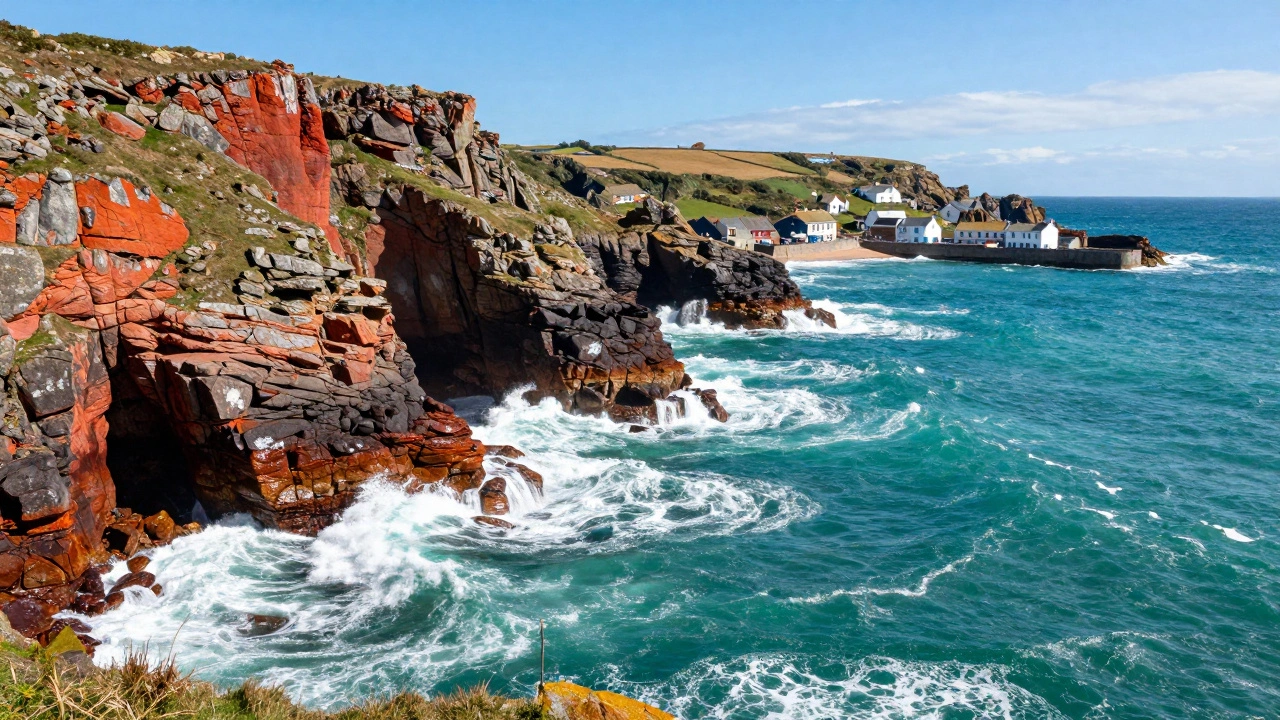
You can’t talk about UK scenery without mentioning the southwest corner. Cornwall and Devon offer a completely different palette: golden sands, turquoise waters, and rugged cliffs. The climate here is milder, making it a favorite for those seeking sunshine.
In Cornwall, the Lizard Peninsula offers some of the most dramatic coastal scenery in the country. Red cliffs drop straight into the sea, and the waves crash with immense power. Nearby, the village of Polperro is picturesque, with colorful houses clustered around a tiny harbor. For beach lovers, St Ives Bay provides crystal-clear waters ideal for swimming and snorkeling.
Next door, Devon boasts the Dartmoor National Park. While inland, Dartmoor connects to the coast via stunning routes. The tors-rock formations that crown the moorland-are iconic. The contrast between the open, windswept moor and the sheltered coves of the South Hams district creates a diverse travel experience within a short drive.
- Best for: Beaches, coastal walks, seafood, and warmer weather.
- Key spots: Eden Project, Land’s End, Lyme Regis, Exmoor.
- Vibe: Sunny, vibrant, and relaxed.
Comparing the Top Contenders
| Region | Landscape Type | Best Time to Visit | Primary Activity | Crowd Level |
|---|---|---|---|---|
| Scottish Highlands | Mountains & Lochs | May - September | Hiking & Driving | Moderate |
| Lake District | Lakes & Fells | June - October | Boating & Walking | High |
| Yorkshire Dales | Limestone Valleys | April - September | Long-distance Walking | Low-Moderate |
| Cornwall & Devon | Coastal Cliffs | June - August | Beach & Surfing | Very High |
How to Choose Your Perfect Scenic Spot
So, which one should you pick? It comes down to your personal travel style. If you want to feel small against nature’s grandeur, head north to Scotland. The scale of the Highlands is humbling. If you prefer a sense of community and gentle exploration, the Lake District or Yorkshire Dales will resonate with you. And if you need sun on your face and salt in the air, the southwest coast is unbeatable.
Consider the season too. Spring brings wildflowers to the Dales and lush greens to the Lake District. Summer offers the best chance for clear skies in Scotland and warm beaches in Cornwall. Autumn paints the forests of the Peak District and Snowdonia in fiery oranges and reds, a spectacle often overlooked by summer tourists.
Don't forget logistics. The Highlands are spread out, so renting a car is essential. The Lake District is compact enough to explore by bus or train, though a car gives more freedom. Cornwall is accessible by train, but getting around the peninsula requires local transport.
Hidden Gems Worth Considering
While the big names steal the show, there are other areas worth noting. Snowdonia National Park in Wales offers mountain scenery rivaling Scotland, with the added benefit of Welsh culture and language. The Peak District in central England is easily accessible from major cities and offers a mix of moorland and dales. For something truly unique, the New Forest in Hampshire provides a rare glimpse of ancient woodland with free-roaming ponies.
Ultimately, the 'most scenic' part of the UK is the one that moves you. Whether it’s the mist rolling over a Highland glen or the sun setting behind a Cornish cliff, these landscapes offer a connection to nature that is hard to find elsewhere. Plan your trip based on what kind of feeling you want to take home with you.
What is the number 1 most beautiful place in the UK?
There is no single official ranking, but the Scottish Highlands, particularly Glencoe and the Isle of Skye, are frequently voted the most beautiful due to their dramatic and wild landscapes. The Lake District is also a top contender for its serene lakes and fells.
Is the Lake District or Scottish Highlands better for scenery?
It depends on your preference. The Scottish Highlands offer rugged, high-altitude drama with mountains and deep glens. The Lake District provides softer, greener landscapes centered around lakes and wooded valleys. Both are spectacular but offer different experiences.
When is the best time to visit the UK for scenic views?
Late spring (May) to early autumn (September) is generally best. May offers wildflowers and fewer crowds. July and August provide the warmest weather but are busiest. September offers crisp air and autumn colors, especially in the north.
Do I need a car to see the most scenic parts of the UK?
A car is highly recommended for the Scottish Highlands and rural parts of Cornwall and Devon, as public transport can be sparse. The Lake District and Yorkshire Dales have decent bus networks, but a car offers much greater flexibility for reaching remote viewpoints.
Are the UK national parks free to enter?
Yes, entry to all UK National Parks is free. However, parking fees apply at popular trailheads and visitor centers. Some specific attractions, like stately homes or guided tours, may charge admission.