London Outfit Readiness Checker
A local's quick check. Tell me what you're planning to pack and where you'll be going, and I'll tell you if you'll look like you belong in the city.
Tick anything you've got covered:
Make your selections and hit Check My Outfit to see how you'll land in London.
You look the part.
A few tweaks and you'll blend right in.
Quick fixes:
Based on a local's guide to dressing for London.
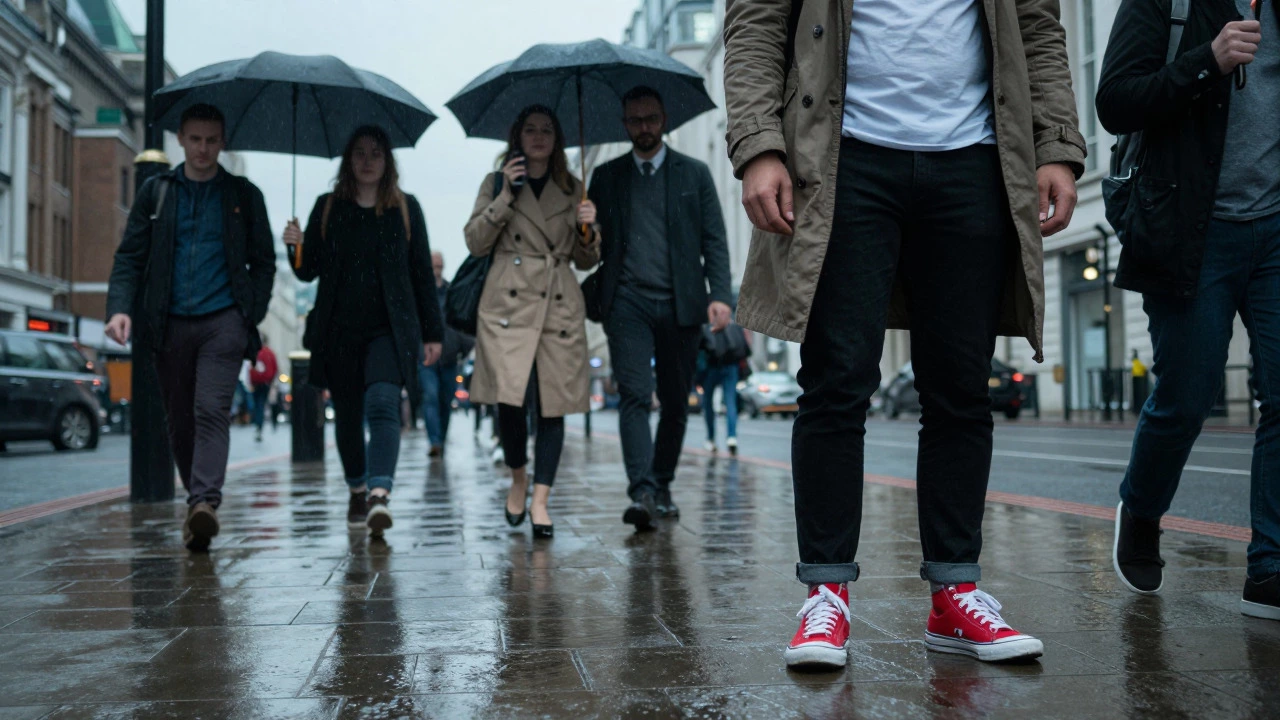
There is a specific kind of discomfort that hits you the moment you step off a train in King’s Cross. You are standing there, wearing your favorite bright red sneakers and a thin cotton t-shirt, while a group of locals walks past you wrapped in trench coats and carrying compact umbrellas. You feel exposed. You feel loud. And you wonder if everyone can see that you have no idea what the weather is actually doing.
Dressing for London is less about following strict rules and more about reading the room, which in this case, is a city that changes its mind every twenty minutes. The goal isn't to look like a local immediately-that takes years of practice-but to avoid the visual signals that mark you as an unprepared visitor. It is about blending into the grey-and-green backdrop so you can focus on the experience rather than your outfit.
The Weather Trap: Why Your Summer Kit Will Fail You
If you are visiting between May and September, you might think you need light, airy fabrics. Think again. London’s summer is notoriously deceptive. One hour it is 24°C (75°F) and sunny; the next, a cold front rolls in from the North Sea, dropping the temperature to 15°C (59°F) with a wind chill that cuts through single layers instantly.
The biggest mistake tourists make is packing only for the forecast high. Instead, you need to master the art of layering. This means bringing pieces that can be added or removed without ruining your silhouette. A heavy winter coat is useless in July, but a lightweight waterproof shell is essential year-round. Rain in London is rarely a downpour; it is often a persistent, sideways drizzle that soaks through standard jackets within an hour. If you bring a non-waterproof raincoat, you will spend half your day damp and miserable.
- Avoid: Single-layer outfits that rely on one item for warmth.
- Avoid: Non-breathable synthetic shells that trap sweat when the sun comes out.
- Choose: A merino wool base layer, a mid-weight fleece or cardigan, and a water-resistant outer layer.
The Footwear Dilemma: Comfort vs. Style
Your feet will tell you the truth before your eyes do. Londoners walk an average of 8,000 to 10,000 steps a day, even on weekends. Cobblestones, uneven pavement, and wet streets demand footwear that offers both grip and support. Yet, many visitors arrive in brand-new sandals or flimsy loafers because they saw them in a magazine.
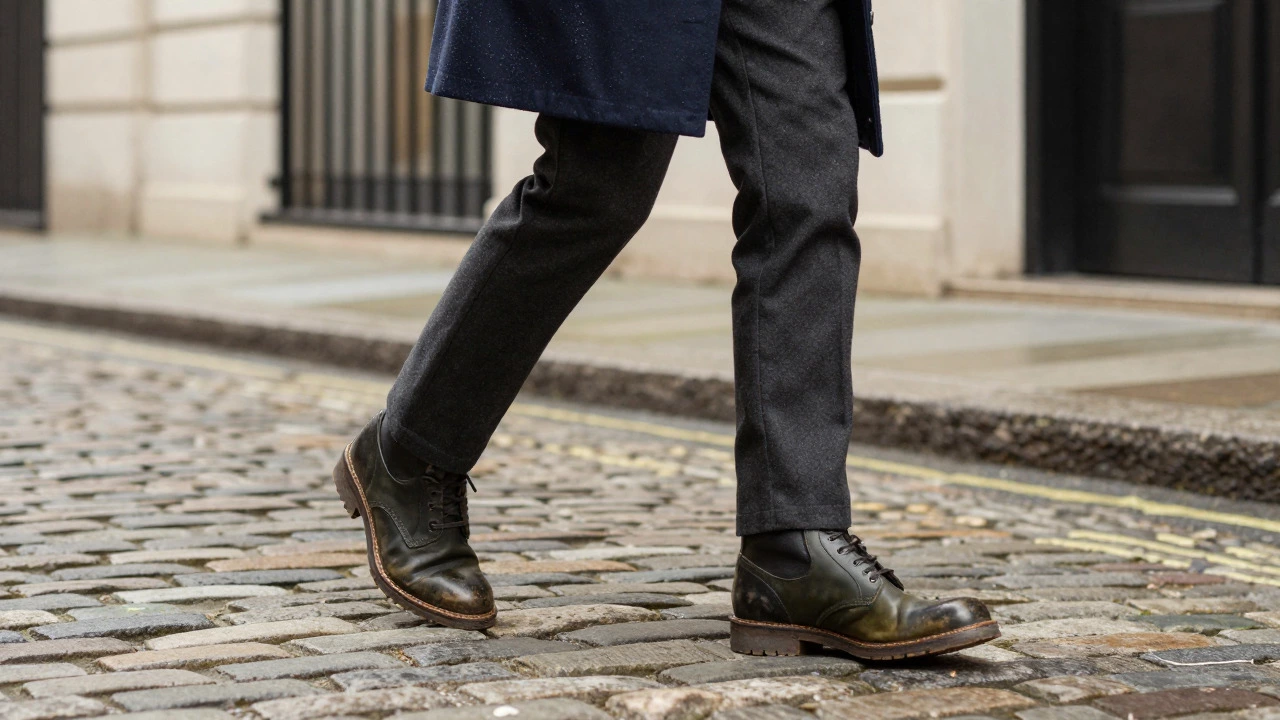
Here is where the "tourist look" really starts to show. Flip-flops are generally considered inappropriate for any setting outside of a beach resort, and even then, they are rare in the city center. Leather shoes that aren't broken in will blister you by lunchtime. The sweet spot is a clean, low-profile sneaker or a sturdy leather boot. They should look intentional, not athletic. Think of the style worn by someone who works in a creative agency in Shoreditch: functional, slightly worn-in, and dark enough to hide the inevitable street grime.
| Item Type | Suitability for London | Why It Works or Fails |
|---|---|---|
| New High-Heels | Poor | Uneven cobblestones cause ankle injuries; blisters develop quickly. |
| Flip-Flops/Sandals | Poor | Lacks protection from rain/cold; looks out of place in most districts. |
| Broken-In Sneakers | Excellent | Comfortable for long days; fits the casual-professional aesthetic. |
| Waterproof Boots | Excellent | Handles wet weather perfectly; stylish in autumn/winter months. |
The Color Palette: Blending Into the Grey
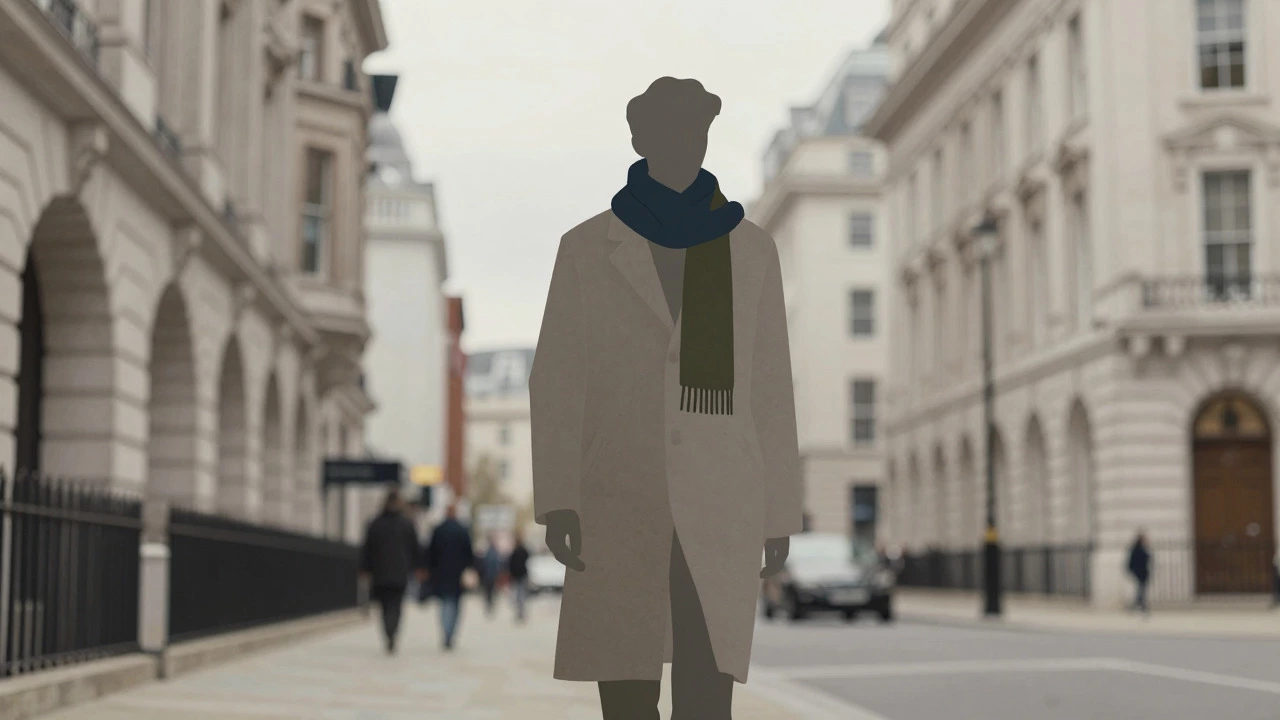
Walk down Oxford Street or through Hyde Park and you will notice a distinct lack of neon. The dominant colors in London fashion are navy, charcoal, black, beige, and olive green. This isn't accidental; it's practical. Darker, muted tones hide dirt better, look more sophisticated against the stone architecture, and blend seamlessly with the overcast sky.
This doesn't mean you can't wear color. It means you should treat bright colors as accents, not the main event. A vibrant scarf or a pop of red lipstick adds personality without shouting for attention. If you wear a full head-to-toe bright yellow tracksuit, you will stand out-not because you look bad, but because you look like a highlighter pen on a page of text. The goal is to let your face be the focal point, not your clothes.
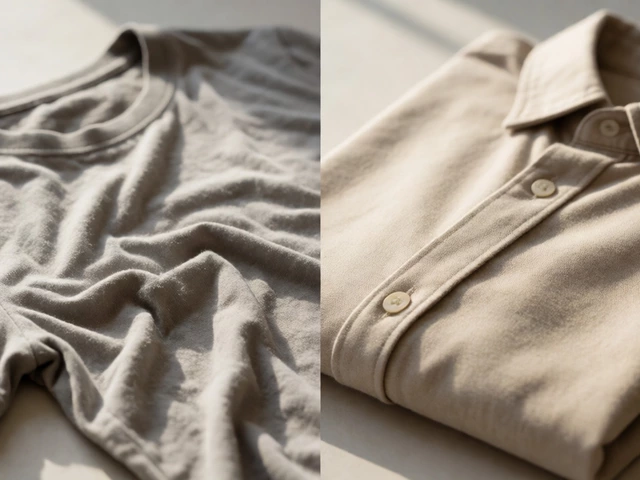
Also, consider the texture. London has a certain grittiness to it. Smooth, shiny fabrics like patent leather or satin can look out of place in everyday settings. Matte fabrics like cotton, wool, and denim feel more grounded and appropriate for the urban environment.
Situational Dressing: From Markets to Michelin Stars
One size does not fit all in London. The dress code varies significantly depending on where you are going. Understanding these micro-cultures will help you transition smoothly throughout your day.
- Casual Day Out (Museums, Parks, Markets): Jeans, a clean t-shirt or blouse, and comfortable shoes are perfect here. Add a jacket for the evening. Avoid shorts unless it is genuinely hot and humid, which is rare.
- Smart Casual (Cafes, Galleries, Dinner): This is the default mode for most evenings. Trousers or a skirt, a button-down shirt or nice top, and closed-toe shoes. A blazer elevates the look instantly but isn't strictly necessary if the rest is polished.
- Formal (Theatre, Fine Dining): Many restaurants in Mayfair or Chelsea require "smart attire." For men, this means trousers and a collared shirt (tie optional but safe). For women, a dress, skirt, or tailored pants with heels or flats. Jeans are often frowned upon at higher-end establishments.
A common pitfall is under-dressing for dinner. If you plan to eat at a restaurant with a price tag above £50 per person, check their website. If they mention "smart casual" or "formal," skip the jeans. There is nothing quite as awkward as being asked to leave a table because your outfit was too casual for the venue's policy.
Accessories That Signal Experience
It is often the small details that separate a tourist from a savvy traveler. Your accessories should serve a function first and a decorative purpose second.
- Umbrella: Carry a compact, sturdy umbrella. Large golf umbrellas are bulky and hard to manage on public transport. A folding one that fits in a bag is ideal.
- Bag: A crossbody bag or a structured tote is better than a large backpack. Backpacks are fine for sightseeing days, but they can be cumbersome in crowded bars or restaurants. Keep valuables secure and close to your body.
- Glasses: Sunglasses are useful, but keep them in a case. Wearing them indoors is a subtle sign of disconnection. Take them off when you enter a shop or cafe.
Watch out for overly branded items. While luxury goods are part of London culture, wearing a logo-heavy outfit can sometimes attract pickpockets or signal that you are a target. Understated quality is always safer and more stylish.
Common Mistakes to Avoid
Even after considering all the above, a few specific errors remain prevalent among first-time visitors. These are easy to fix if you know what to look for.
Mistake 1: Wearing Shorts in Winter. Yes, the sun might be out at 2 PM, but the wind is cold. Legs get cold fast, and shivering ruins the vibe. Long pants are non-negotiable from October to April.
Mistake 2: Over-accessorizing. If you have a statement necklace, keep your earrings simple. If you wear bold shoes, keep the rest neutral. London style leans towards minimalism. Less is usually more.
Mistake 3: Ignoring the Wind. The wind in London can come from any direction. Hats that blow away easily are a hazard. Scarves that fly around unpredictably are annoying. Secure your accessories so they stay put.
Final Thoughts on Blending In
You don't need to buy new clothes before you travel. Look at what you already own. Do you have a pair of dark jeans? A neutral-colored sweater? A jacket that blocks the wind? If yes, you are ready. The key is confidence. Walk with purpose, keep your posture straight, and you will fit right in, regardless of whether your shoes are from a high-end designer or a local store. London respects authenticity over perfection. Just stay dry, stay warm, and keep it simple.
Do I need to dress formally in London?
Not necessarily. London is largely smart casual. However, for upscale dining, theatre, or business meetings, you should aim for a polished look with trousers, a collared shirt, and closed-toe shoes. Jeans are acceptable in most casual settings but may be rejected in high-end venues.
Is it okay to wear flip-flops in London?
Generally, no. Flip-flops are seen as beachwear and are rarely worn in the city center, even in summer. Opt for sandals with straps or closed-toe shoes for better protection and social appropriateness.
What should I wear in London in August?
August can be warm during the day but cool in the evening. Pack layers: a t-shirt or light blouse, a cardigan or light jacket, and long pants or skirts. Bring a waterproof layer just in case of rain. Comfortable walking shoes are essential.
Are jeans acceptable in London restaurants?
It depends on the restaurant. Casual cafes and pubs are fine with jeans. Mid-range to high-end restaurants often prefer "smart casual," which typically excludes distressed or very casual denim. Check the venue's dress code online before booking.
What colors are best to wear in London?
Neutral and muted tones like navy, grey, black, beige, and olive green are most common. These colors blend well with the city's aesthetic and hide dirt. Bright colors can be used as accents but are less typical for everyday wear.