Minimalist Boho Room Calculator
Add Your Items
Your Score
0%Start adding items to calculate your room's aesthetic alignment.
Inventory List
No items added yet.
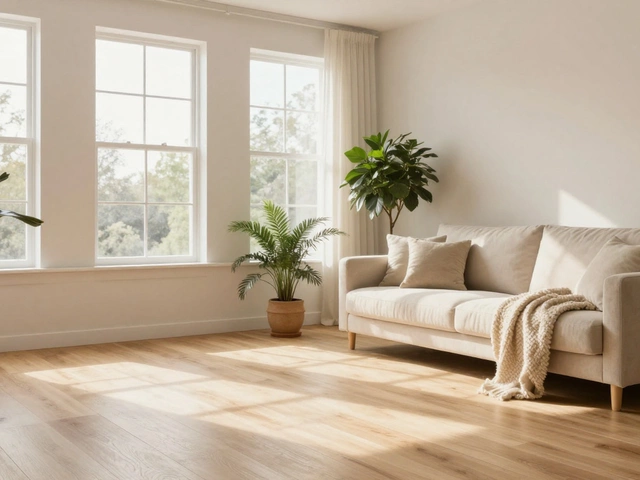
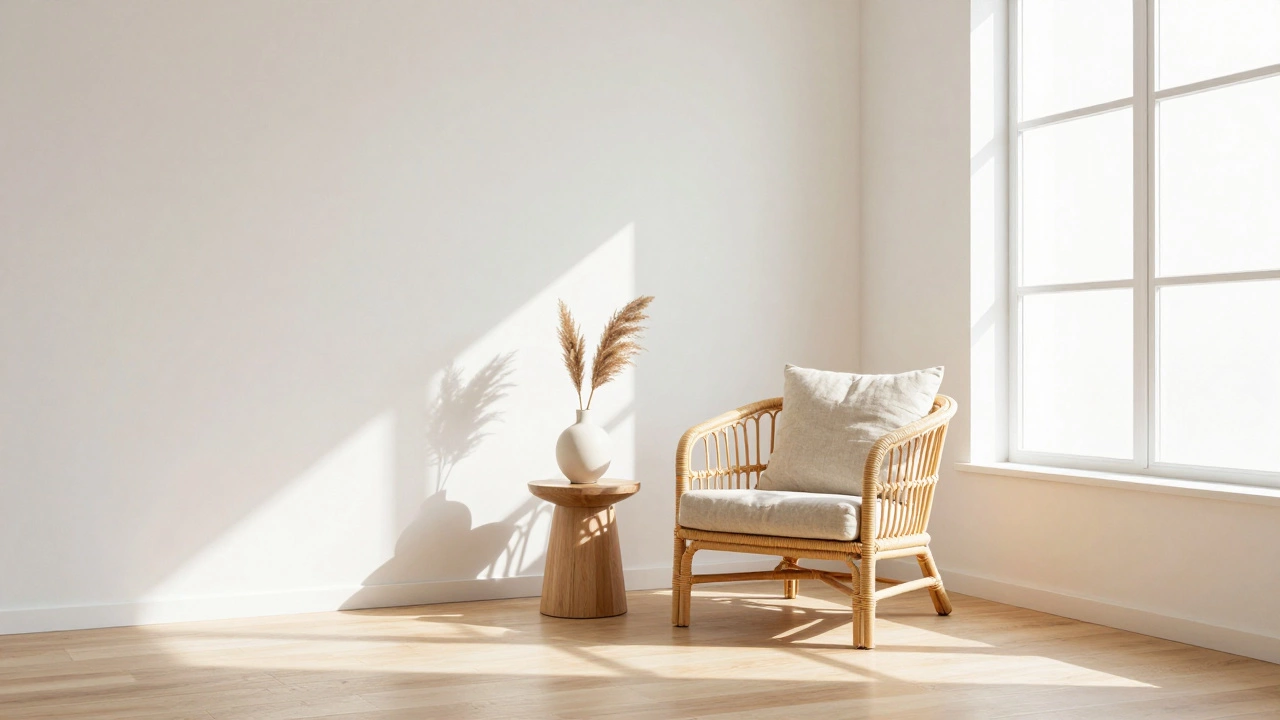
You’ve probably seen it on Instagram or Pinterest: a sun-drenched room with white walls, a single rattan chair, and maybe one dried pampas grass arrangement. It looks clean, but it doesn’t feel cold. It feels lived-in, yet uncluttered. This is minimalist boho, the aesthetic that has taken over modern interiors by blending two seemingly opposite worlds.
Traditional minimalism often gets a bad rap for feeling sterile or hospital-like. On the other hand, classic bohemian style can sometimes tip into visual chaos with too many patterns, colors, and knick-knacks. Minimalist boho strikes the perfect middle ground. It keeps the soul and texture of boho while enforcing the discipline and space of minimalism. If you want your home to breathe without losing its personality, this is the style for you.
The Core Philosophy: Less Clutter, More Soul
To understand minimalist boho, you have to look at what makes each parent style tick. Minimalism is a design approach focused on simplicity, functionality, and the removal of non-essential items. It’s about giving your eyes a place to rest. Modern Minimalism relies heavily on negative space and clean lines.
Then there is Bohemian Style, which is an eclectic, free-spirited aesthetic inspired by artistic travelers and global cultures. Think layered rugs, macramé wall hangings, and vibrant textiles. It’s warm, inviting, and deeply personal.
When you merge them, you get a space that prioritizes quality over quantity. You aren’t buying ten cheap throw pillows; you’re buying one high-quality linen cushion in a natural tone. The goal isn’t to show off how much stuff you own, but to highlight the few pieces that truly bring you joy. It’s intentional living wrapped in cozy textures.
The Color Palette: Earthy Neutrals
If traditional boho screams with jewel tones and bright oranges, minimalist boho whispers in earthy neutrals. The color palette is the foundation of this look, so getting it right is crucial. You want colors that exist in nature, creating a seamless flow between indoors and outdoors.
- Warm Whites: Instead of stark, blue-toned whites, go for creams, ivories, and off-whites. These shades reflect light beautifully and make small spaces feel larger.
- Terracotta and Clay: A soft pop of red-orange adds warmth without overwhelming the eye. Use these in ceramics or a single accent wall.
- Sage Green: Bring the outside in. Muted greens work perfectly with plants and wooden furniture.
- Natural Wood Tones: Light oak, walnut, and teak provide organic contrast against white walls.
- Beige and Taupe: These serve as your grounding colors for large furniture pieces like sofas and rugs.
Avoid neon colors or harsh blacks. If a color feels aggressive, it probably doesn’t belong in a minimalist boho scheme. Stick to muted, desaturated tones that blend rather than compete.
Texture Is Your Best Friend
Here is the secret weapon of minimalist boho: texture. When you strip away color and clutter, texture becomes the star of the show. Without it, the room will look flat and boring. With it, the room feels rich and tactile.
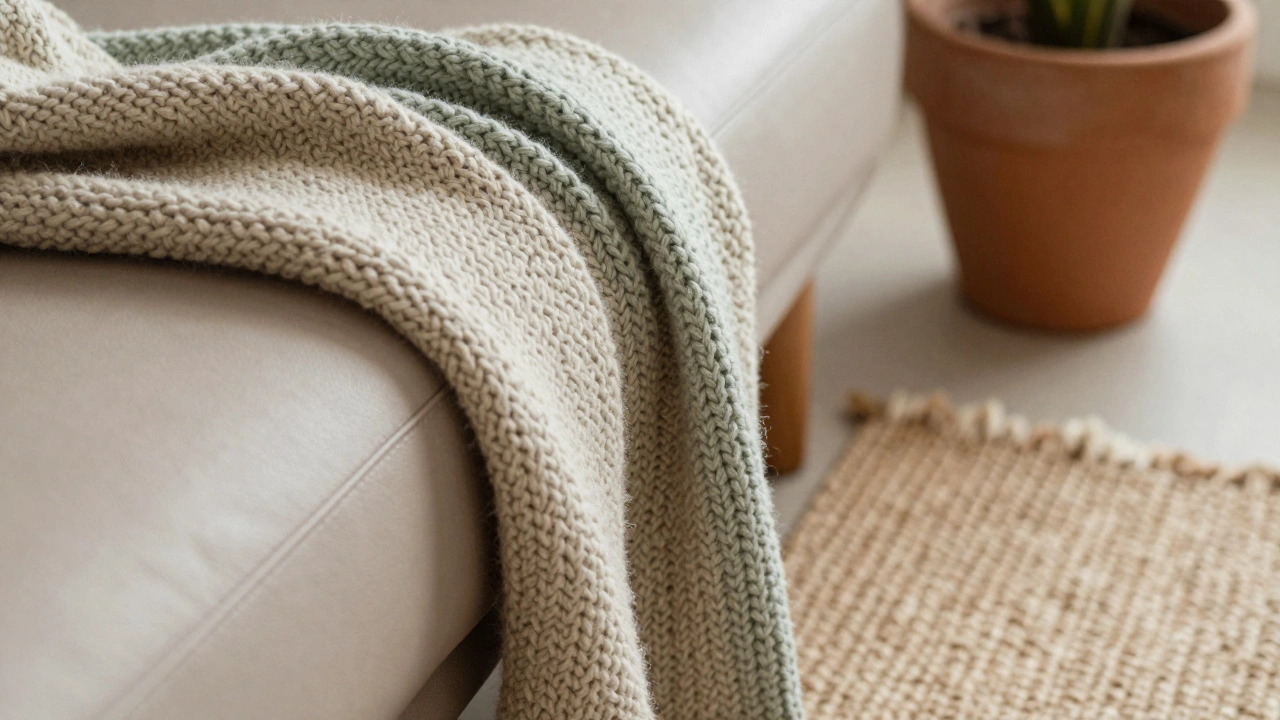
Think about how different materials feel against your skin. Rough jute meets smooth linen. Cold ceramic meets warm wood. Layering these materials creates depth. For example, a sleek leather sofa might feel too corporate on its own. But add a chunky knit wool throw and a woven cotton pillow, and suddenly it feels inviting and relaxed.
Key textures to incorporate include:
- Rattan and Wicker: Natural fibers that add an airy, open feel.
- Linen: Crinkled, breathable fabric for curtains and bedding.
- Jute and Sisal: Durable, rough weaves for area rugs.
- Ceramics: Hand-thrown pots with imperfect glazes add character.
- Leather: Adds a touch of sophistication and ages beautifully.
Don’t be afraid to mix three or four different textures in one corner. Just ensure they share a similar color temperature (warm vs. cool) to keep the look cohesive.
Furniture: Clean Lines with Organic Shapes
Furniture in a minimalist boho home should serve a purpose but also look effortless. Avoid bulky, overstuffed pieces that dominate the room. Instead, choose furniture with slender legs and open frames. This allows light to pass through and maintains that sense of spaciousness central to minimalism.
Look for organic shapes. A round coffee table instead of a square one. An arched mirror instead of a rectangular frame. Curves soften the environment and counteract the rigidity of straight architectural lines. Mid-century modern pieces often fit well here because they combine functional design with natural wood elements.
| Feature | Traditional Boho | Minimalist Boho |
|---|---|---|
| Shape | Eclectic, mismatched | Clean lines, organic curves |
| Material | Vintage fabrics, distressed wood | Solid wood, rattan, linen |
| Quantity | Many small pieces | Few statement pieces |
| Legs | Often hidden or heavy | Exposed, slender legs |
Invest in quality over quantity. One beautiful, solid wood dining table is better than six cheap side tables cluttering the floor. Each piece should earn its place in the room.
Decor: Curated, Not Collected
This is where most people struggle. The urge to collect trinkets is strong, especially if you love travel or art. In minimalist boho, every decorative object must tell a story. If you pick up an item and can’t explain why it’s there, put it back.
Focus on vertical space. Instead of filling shelves with books and knick-knacks, leave some empty space. Hang a single large piece of abstract art or a simple macramé wall hanging. Let the wall breathe. Plants are essential here. They are the ultimate minimalist boho accessory-living, breathing, and requiring no artificial decoration.
Choose large leafy plants like Monstera or Fiddle Leaf Fig in simple terracotta or concrete pots. Avoid plastic-looking fake plants; they break the organic vibe instantly. If you use dried flowers, keep them sparse. A single stem in a tall vase is more powerful than a crowded bouquet.
Lighting: Warm and Ambient
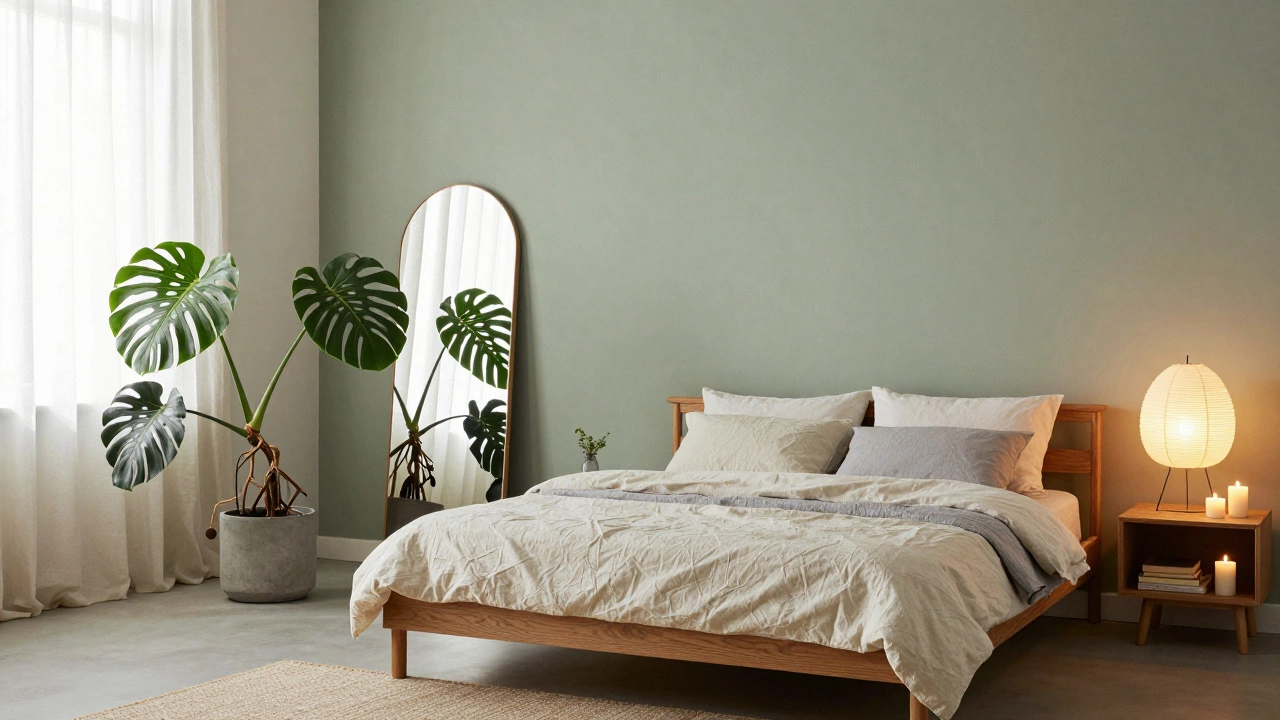
Lighting sets the mood. Harsh overhead lighting kills the boho vibe instantly. You want layers of warm, ambient light. Use floor lamps with paper shades, such as the iconic Akari lamps, which diffuse light softly. String lights can add a magical touch if kept subtle and not overly colorful.
Candles are another key element. Beeswax or soy candles in simple glass jars provide flickering warmth. Place them strategically on side tables or windowsills. The goal is to create a sanctuary that feels calm and safe after a long day.
Common Mistakes to Avoid
Even with good intentions, it’s easy to slip out of the minimalist boho aesthetic. Here are the most common pitfalls:
- Too Many Patterns: While boho loves patterns, minimalism does not. Pick one patterned rug or pillow, but keep the rest solid. Mixing tribal prints with floral cushions and striped curtains creates visual noise.
- Ignoring Storage: Minimalism requires hiding the mundane. Keep remotes, charging cables, and mail out of sight. Use baskets with lids or closed cabinets. What you see should only be what you love.
- Overcrowding Plants: Plants are great, but don’t turn your living room into a jungle. Space them out. Give each plant room to grow and be appreciated individually.
- Using Cheap Materials: Minimalist boho relies on natural materials. Plastic, glossy laminates, and synthetic velvets clash with the earthy aesthetic. Stick to wood, stone, metal, and natural fibers.
How to Start Your Minimalist Boho Journey
Transforming your home doesn’t require a complete overhaul. Start small. Declutter one surface first. Remove everything from your coffee table, then put back only three items: a book, a candle, and a small plant. See how the space feels lighter?
Next, swap out one textile. Replace a polyester curtain with linen. Change a synthetic rug for a jute one. Notice the difference in texture and airiness. Finally, edit your decor. Take photos of your rooms. Look at the images objectively. Identify items that don’t fit the color palette or style and remove them. Slowly, your space will evolve into a reflection of your inner peace.
Minimalist boho is more than just a design trend. It’s a mindset. It asks you to slow down, appreciate simplicity, and find beauty in the natural world. By embracing this style, you’re not just decorating a house; you’re cultivating a lifestyle that values presence over possessions.
Is minimalist boho expensive?
Not necessarily. While high-end natural materials like solid wood and linen can cost more, the core of minimalist boho is decluttering. You save money by buying less. Focus on second-hand vintage finds for unique pieces and invest in quality basics like a good rug or sofa. Thrift stores are goldmines for rattan chairs and ceramic vases.
Can I use dark colors in minimalist boho?
Yes, but sparingly. Deep forest greens, navy blues, or charcoal grays can add drama. However, keep the majority of the space light and airy. Use dark colors in accents like a throw blanket, a single wall, or artwork to maintain the overall brightness associated with the style.
What is the difference between Japandi and minimalist boho?
Japandi blends Japanese minimalism with Scandinavian functionality, resulting in very clean, low-profile furniture and muted grays. Minimalist boho is warmer and more textured, featuring curved lines, natural fibers like rattan, and earthy tones like terracotta. Japandi feels cooler and stricter; minimalist boho feels cozier and softer.
How do I keep minimalist boho from looking empty?
Layer textures and use plants. Empty walls can feel stark, so add a large mirror or a simple tapestry. Ensure your seating area has multiple layers, such as a rug under a coffee table and cushions on a sofa. The key is variety in material, not quantity of objects.
Does minimalist boho work in small apartments?
Absolutely. It is ideal for small spaces. The emphasis on negative space and multi-functional furniture helps small rooms feel larger. Light colors reflect light, making ceilings appear higher. By avoiding clutter, you maximize usable floor space, which is crucial in compact living situations.