Healthy Swaps Challenge
Are You a Food Detective?
Can you spot the hidden sugars, trans fats, and processed ingredients? Take this quick quiz to test your ability to make smarter dietary swaps.
You grab a quick snack or order dinner without thinking twice. It tastes good in the moment, sure. But does your body agree? Most of us know that vegetables are good and candy is bad. Yet, some foods masquerade as healthy choices while packing serious nutritional punches. If you have ever wondered what actually lands at the bottom of the health leaderboard, you are not alone. The answer isn't just about calories; it is about how your body processes specific ingredients.
We live in an environment designed to make us overeat. Ultra-processed foods dominate supermarket shelves. They are cheap, convenient, and engineered for hyper-palatability. This means they hit your brain's reward centers harder than natural foods ever could. But convenience often comes with a hidden cost. Understanding which items cause the most harm helps you navigate menus and aisles with confidence. Let’s look at the real offenders, why they hurt, and what you can eat instead.
The Sweet Trap: Sugary Drinks
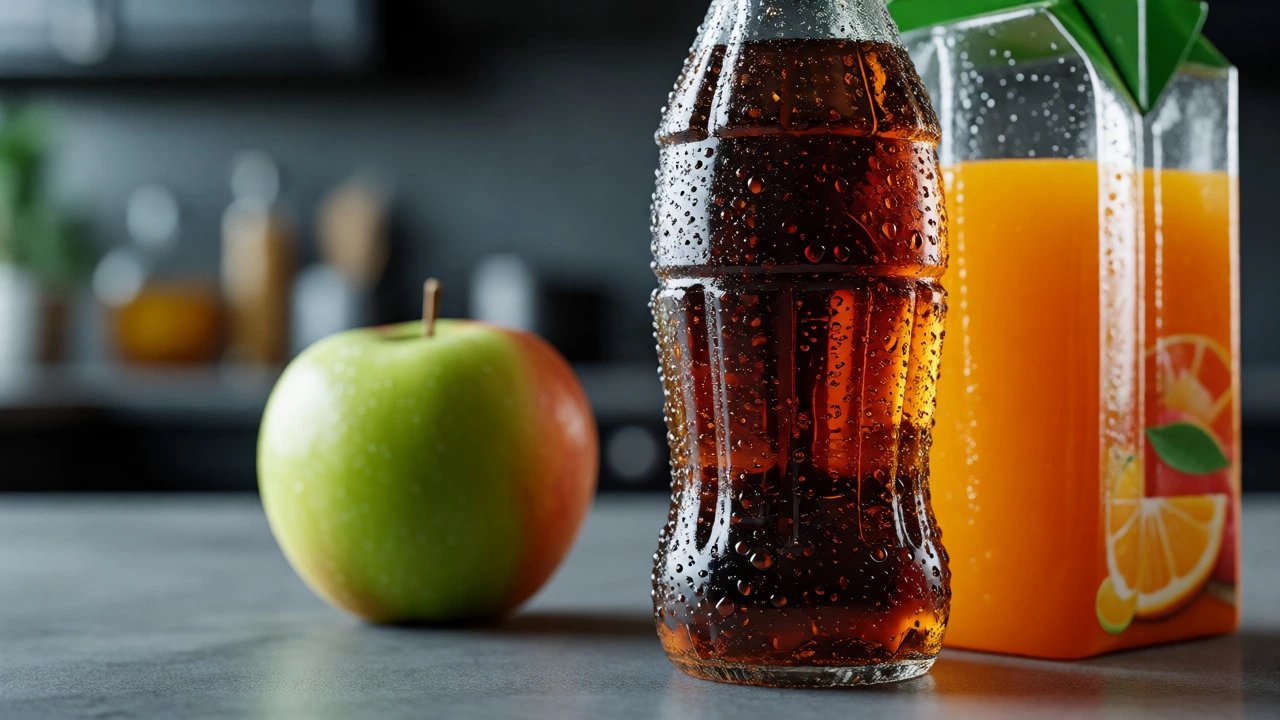
Start with the obvious one. Sugary drinks are widely considered the single worst source of added sugar in modern diets. We aren't just talking about soda here. Fruit juices, energy drinks, sweetened teas, and flavored coffees all fall into this bucket. Why are they so damaging? Because liquid sugar bypasses your body's satiety signals. You don't feel full after drinking 40 grams of sugar like you would after eating an apple.
Your liver handles fructose differently than glucose. When you flood it with high amounts of fructose from these beverages, it converts the excess directly into fat. This process contributes to non-alcoholic fatty liver disease and visceral fat accumulation around your organs. A standard 500ml bottle of cola contains roughly 53 grams of sugar. That is more than the World Health Organization recommends for your entire day. Regular consumption links directly to type 2 diabetes, heart disease, and weight gain.
| Beverage Type | Sugar (grams) | Calories | Health Impact |
|---|---|---|---|
| Regular Cola | 53g | 210 kcal | High insulin spike, no nutrients |
| Fruit Juice (packaged) | 45g | 180 kcal | Fiber removed, rapid absorption |
| Iced Tea (sweetened) | 40g | 160 kcal | Hidden sugars, low satiety |
| Energy Drink | 55g+ | 220+ kcal | Caffeine crash, high acidity |
Processed Meats: The Cancer Link
If sugary drinks are the top offender, processed meats come in a close second. Think bacon, sausages, hot dogs, salami, and deli ham. The World Health Organization’s International Agency for Research on Cancer classified processed meat as a Group 1 carcinogen. This puts it in the same category as tobacco smoke regarding evidence strength, though not necessarily risk level. Eating 50 grams of processed meat daily increases colorectal cancer risk by about 18%.
Why is it so risky? Processing involves curing, smoking, or adding preservatives like nitrates and nitrites. These compounds can form N-nitroso substances in your gut, which damage cell lining. Additionally, processed meats are typically high in sodium and saturated fats. While red meat has its place in moderation, processed versions lose much of their nutritional integrity during manufacturing. You pay a premium for flavor additives rather than protein quality.
Here is the tricky part: many people think turkey breast or lean ham is "safe." Often, these products contain equal or higher levels of sodium and preservatives compared to regular pork sausage. Always check the ingredient list. If you see words ending in -ate or -ite, proceed with caution.
Trans Fats and Deep-Fried Foods
Trans fats are arguably the most harmful dietary fat you can consume. Unlike other fats, your body has no biological need for them. Artificial trans fats are created through hydrogenation, a process that turns liquid vegetable oils into solid fats to extend shelf life. You find them in fried chicken, doughnuts, pie crusts, and many commercial baked goods.
Trans fats raise LDL (bad) cholesterol and lower HDL (good) cholesterol simultaneously. This double whammy significantly increases the risk of heart disease and stroke. Even small amounts matter. Studies show that a mere 2% increase in calorie intake from trans fats raises coronary heart disease risk by 23%. Many countries have banned artificial trans fats, but they still linger in fast-food chains and imported snacks. Look for "partially hydrogenated oil" on labels-that is the code word for trans fat.

Refined Carbohydrates: White Flour Products
White bread, white rice, and pastries might seem harmless because they lack the obvious grease of fried food. However, refined carbohydrates behave similarly to sugar in your bloodstream. The milling process strips away fiber, vitamins, and minerals, leaving mostly starch. Your digestive system breaks this down rapidly into glucose, causing sharp spikes in blood sugar and insulin.
Chronic high insulin levels promote fat storage and inflammation. Over time, this pattern contributes to metabolic syndrome. Whole grains retain their bran and germ, providing fiber that slows digestion. Replacing white flour products with whole grain alternatives can improve blood sugar control and reduce hunger pangs. Try swapping white toast for sourdough rye or white rice for quinoa. The texture difference is minimal once you adjust, but the metabolic impact is profound.
Ultra-Processed Snacks and Chips
Potato chips, crackers, and packaged cookies fit squarely into the ultra-processed food category. These items combine refined carbs, unhealthy fats, salt, and sugar in ratios rarely found in nature. They are designed to be addictive. The combination of salt and fat triggers dopamine release, making it hard to stop after one serving.
A standard bag of potato chips contains significant acrylamide, a chemical formed when starchy foods are cooked at high temperatures. Acrylamide is linked to potential carcinogenic effects in animal studies. Moreover, these snacks displace nutrient-dense foods. If you fill up on chips, you likely skip the salad or fruit you needed. The empty calories add up quickly without providing sustained energy.
How to Spot and Swap the Worst Offenders
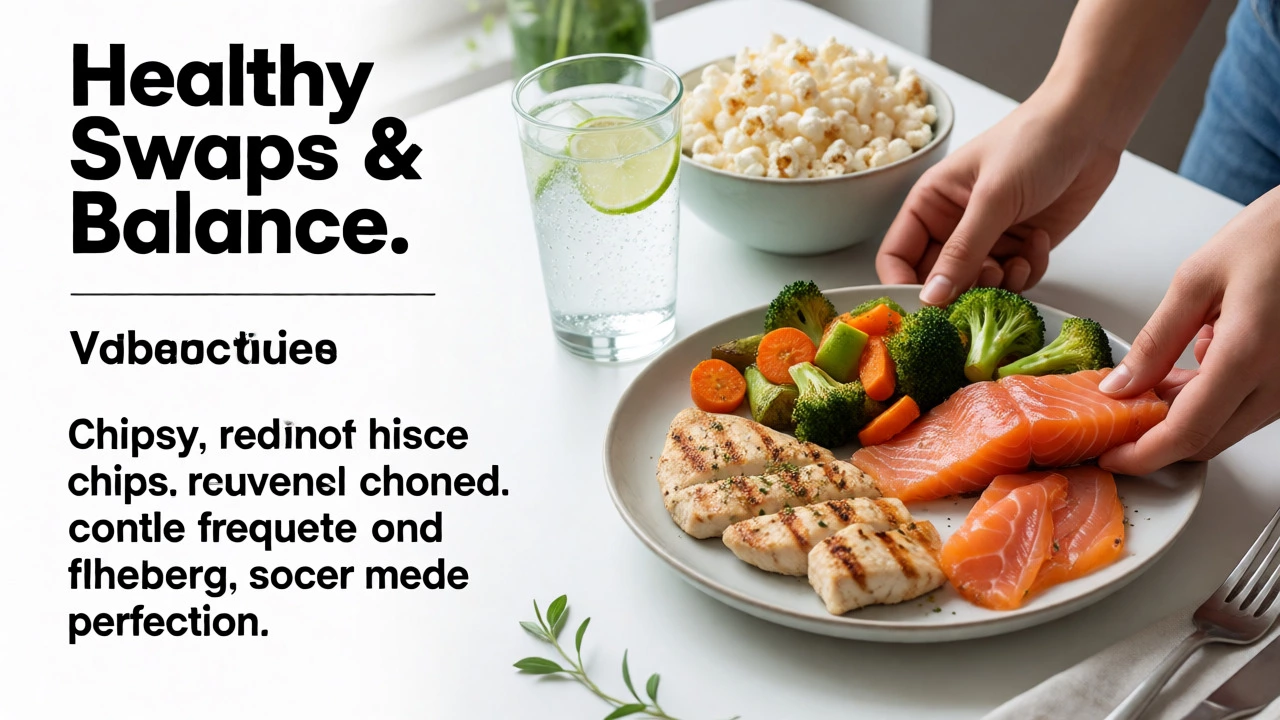
Knowing the villains is half the battle. The other half is knowing your replacements. You do not need to eliminate everything forever. Focus on reducing frequency and portion sizes. Here is a simple guide to upgrading your plate.
- Instead of sugary soda: Choose sparkling water with lime, unsweetened herbal tea, or black coffee.
- Instead of processed bacon: Opt for grilled chicken breast, eggs, or smoked salmon (in moderation).
- Instead of deep-fried fish: Bake or grill fresh fish fillets with herbs and lemon.
- Instead of white bread: Select 100% whole wheat, rye, or sourdough bread.
- Instead of potato chips: Snack on air-popped popcorn, roasted chickpeas, or raw veggies with hummus.
Read labels critically. Ingredients are listed by weight. If sugar appears in the first three ingredients, put the product back. Watch out for sneaky names like corn syrup, dextrose, maltose, and fruit juice concentrate. These are all forms of added sugar.
Context Matters: Frequency and Portion
No single bite of chocolate will ruin your health. It is the cumulative effect of poor choices over weeks and months that matters. Occasional indulgence is psychologically sustainable. Strict deprivation often leads to bingeing later. Aim for the 80/20 rule: eat nutrient-dense, whole foods 80% of the time, and enjoy treats 20% of the time.
Consider the overall dietary pattern. A meal of fried chicken served with a large side salad and water is better than a salad drowned in creamy dressing and croutons. Context changes the impact. Balance matters more than perfection. If you know you had a heavy lunch, keep dinner light and vegetable-focused.
Is fruit sugar as bad as soda?
No. Whole fruits contain fiber, water, and antioxidants that slow down sugar absorption. The dose makes the poison. You would need to eat enormous quantities of berries to get the sugar spike caused by one soda. Stick to whole fruits rather than juices.
Are all fats unhealthy?
Definitely not. Unsaturated fats found in avocados, nuts, olive oil, and fatty fish are essential for brain health and hormone production. Trans fats and excessive saturated fats are the ones to limit. Your body needs healthy fats to function correctly.
Can I eat processed meat if I take supplements?
Supplements cannot fully counteract the inflammatory effects and preservatives in processed meats. While vitamin C might help block some nitrosamine formation, it doesn't negate the high sodium or lack of fiber. Reducing intake is still the best strategy.
What is the healthiest alternative to potato chips?
Roasted seaweed snacks offer crunch with fewer calories and more minerals. Air-popped popcorn provides volume and fiber. Raw carrot sticks or cucumber slices with a dip satisfy the urge to crunch without the heavy load of refined carbs and oils.
Does cooking method change the healthiness of meat?
Yes. Grilling, baking, steaming, or poaching adds no extra fat. Deep-frying adds significant calories and potentially harmful compounds. Charring meat at very high temperatures can also create heterocyclic amines, which are linked to cancer risk. Use marinades with acidic ingredients like vinegar or citrus to reduce charring.