Minimalism Lifestyle Assessment
Discover why people are attracted to minimalism by assessing your own environment and mindset. Answer the questions below to see your "Clutter Stress" score and get personalized insights based on psychological principles of decision fatigue and visual noise.
Your Clutter Stress Score
Personalized Insights
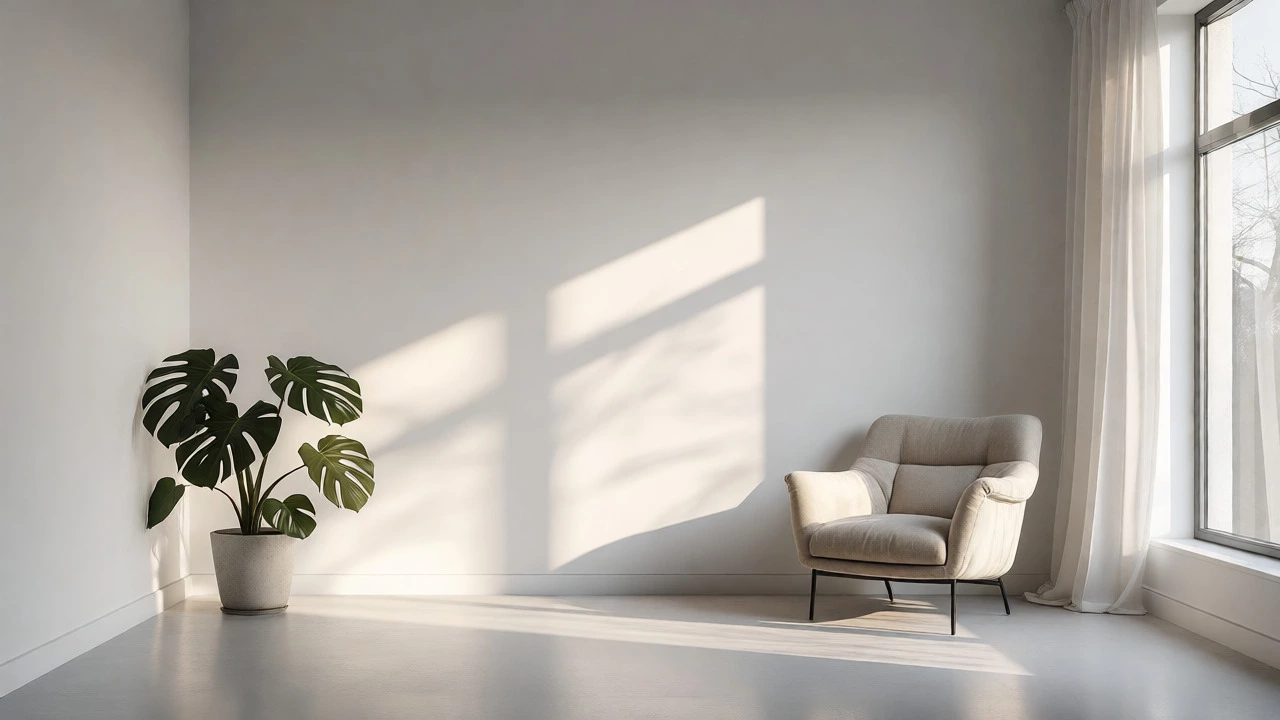
You’ve probably seen the photos. A stark white room, a single plant, maybe one chair. It looks cold to some, peaceful to others. But here’s the thing: minimalism isn’t just about throwing away your stuff or buying expensive beige furniture. It’s a psychological response to a world that screams for your attention every second of every day. If you’re wondering why are people attracted to minimalism, it’s rarely because they hate objects. It’s because they love their time, their money, and their sanity more.
We live in an era of infinite choice. You can buy anything from anywhere at any time. Sounds great, right? Except it’s not. Psychologists call this "decision fatigue." Every morning, you make hundreds of micro-decisions-what to wear, what to eat, which email to answer first. When your physical space is cluttered with unused items, those decisions multiply. Your brain has to process visual noise constantly. Minimalism cuts through that noise. It reduces the cognitive load required to manage your environment, freeing up mental bandwidth for things that actually matter.
The Brain on Clutter: Why Less Stuff Equals More Focus
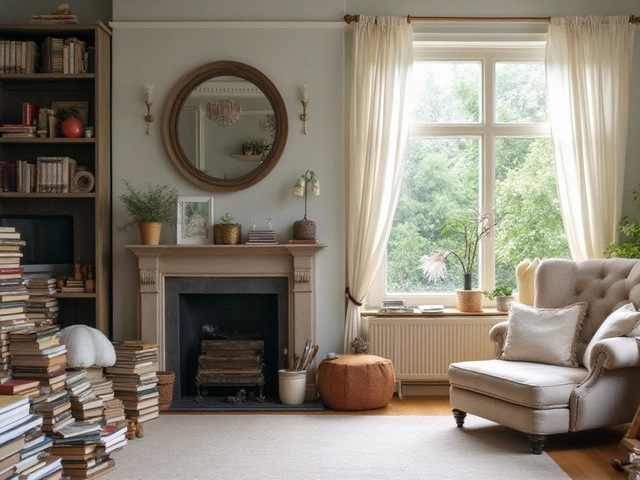
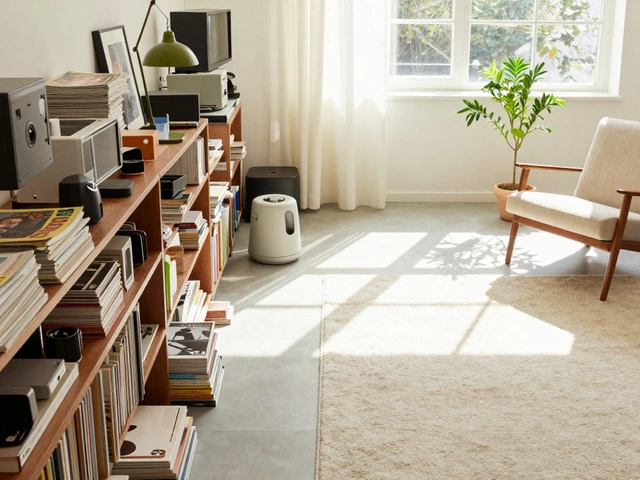
Let’s get specific about the science. Researchers at the Princeton University Neuroscience Institute found that physical clutter competes for your attention, resulting in decreased performance and increased stress. When your desk is covered in papers, cables, and random knick-knacks, your visual cortex is overloaded. You aren’t consciously looking at the clutter, but your brain is processing it. This constant low-level stimulation drains energy.
Think about the last time you walked into a clean, empty hotel room. Did you feel relaxed? Probably. That wasn’t magic; it was a lack of visual competition. Minimalism leverages this biological fact. By removing excess, you reduce the stimuli competing for your focus. This is why many tech CEOs and creative professionals adopt minimalist workspaces. They aren’t trying to be trendy; they’re optimizing their environment for deep work.
| Environment Type | Cognitive Load | Stress Level | Decision Fatigue |
|---|---|---|---|
| Cluttered Space | High (Visual Noise) | Elevated Cortisol | Rapid Onset |
| Minimalist Space | Low (Clear Visuals) | Baseline/Relaxed | Delayed/Reduced |
Financial Freedom Through Intentional Spending
Another huge draw is financial. We are conditioned to believe that happiness is a product you can buy. The new phone, the bigger car, the designer bag. But the thrill of acquisition fades fast-a phenomenon known as hedonic adaptation. You buy it, you feel good for a week, then you’re back to baseline, wanting the next thing.
Minimalists break this cycle. They don’t necessarily spend less money overall, but they spend it differently. They stop buying things to impress others or to fill an emotional void. Instead, they invest in experiences or high-quality items that serve a clear purpose. This shift often leads to significant savings, not because they are cheap, but because they are selective. When you stop buying junk, you have more cash for travel, education, or investing. It’s a trade-off: fewer possessions, more freedom.
Reclaiming Time from Maintenance
Here’s a hidden cost nobody talks about: maintenance. Every object you own requires something from you. Clothes need washing and folding. Gadgets need charging and updating. Furniture needs dusting. Books need shelving. The more you own, the more time you spend managing your inventory rather than living your life.
I used to spend my weekends cleaning and organizing. Now, I spend them hiking in the Dandenong Ranges or reading. Why? Because there’s less to clean. Minimalism acts as a time-saving hack. When you only keep what you use and love, cleaning takes minutes, not hours. This reclaimed time is often cited by proponents as the primary benefit. It’s not about having an empty house; it’s about having a full schedule of things you actually want to do, rather than chores you feel obligated to do.

The Identity Shift: Who Are You Without Your Things?
This is where it gets personal. For many, our possessions become extensions of our identity. We define ourselves by what we own. "I’m a collector," "I’m a gamer," "I’m a fashionista." When you strip away the extras, you’re forced to confront who you are without the props. This can be scary, but it’s also liberating.
People are attracted to minimalism because it offers clarity of self. You start asking better questions: Do I like this shirt because I like wearing it, or because I bought it five years ago? Do I keep these books because I’ll read them, or because I feel guilty getting rid of them? This introspection helps align your actions with your values. You stop performing a role and start living intentionally. It’s a form of mindfulness applied to material goods.
Environmental Ethics and Sustainable Living
There’s also a moral component. In 2026, we’re acutely aware of the environmental toll of consumerism. Fast fashion creates mountains of waste. Electronics end up in landfills. Many people find that minimalism aligns with their ethical beliefs. Buying less means producing less. It’s a direct way to reduce your carbon footprint without sacrificing quality of life.
This isn’t about asceticism; it’s about responsibility. When you buy less, you can afford to buy better. You might choose a durable wool sweater over ten cheap synthetic ones. You support brands with transparent supply chains. This alignment between action and value reduces cognitive dissonance-the discomfort felt when your behavior contradicts your beliefs. Knowing your consumption habits match your ethics feels good. It provides a sense of integrity that no amount of shopping can replicate.

Common Misconceptions About Minimalism
Before you try it, let’s bust some myths. Minimalism isn’t one-size-fits-all. You don’t need to live in a tiny home or own only 100 items. Some minimalists have large families and lots of toys; they just manage them actively. Others live in big houses with sparse decor. The core principle is intentionality, not emptiness.
- Myth: Minimalism is cold and sterile.
Reality: It can be warm and cozy. Texture and light play huge roles. - Myth: You must throw everything away immediately.
Reality: It’s a gradual process. Start small. - Myth: It’s only for rich people who can afford quality.
Reality: It saves money long-term, helping you afford quality later.
How to Start Without Overwhelming Yourself
If you’re intrigued, don’t try to overhaul your life overnight. That usually fails. Start with one area. Maybe it’s your kitchen counter. Remove everything that doesn’t belong there. Keep only what you use daily. See how it feels. Then move to your wardrobe. Try the "reverse hanger" trick: turn all hangers backward. After six months, donate clothes whose hangers are still backward. You didn’t wear them, so you don’t need them.
Another effective method is the "one-in, one-out" rule. Buy a new pair of shoes? Donate an old pair. Get a new book? Pass along an old one. This prevents accumulation without requiring massive purge sessions. It keeps the system balanced automatically.
Is minimalism suitable for families with children?
Yes, absolutely. Children often thrive in less cluttered environments because they can focus better on play. Parents can implement limits on toy quantities, rotating them weekly to maintain interest while reducing visual chaos. It teaches kids valuable lessons about value and care for belongings early on.
Does minimalism mean you can't have hobbies?
Not at all. Minimalism supports hobbies by ensuring you only keep supplies you actively use. A painter might keep only their favorite brushes and paints, discarding dried-out tubes and unused canvases. This makes setting up and cleaning up easier, encouraging you to engage in the hobby more frequently.
What if I feel guilty throwing things away?
Guilt is common, especially with gifts or sentimental items. Remember that the purpose of a gift is often fulfilled once received. If an item isn't serving you now, passing it on to someone who will use it honors its purpose. Consider donating rather than trashing to ease the transition.
Can minimalism help with anxiety?
Many people report reduced anxiety after decluttering. Physical clutter can contribute to feelings of being out of control. Creating order in your external environment can provide a sense of calm and agency. However, it's a tool, not a cure for clinical anxiety disorders.
How much does it cost to start minimalism?
It often costs nothing, or even earns you money. Selling unwanted items generates cash. You might spend a little on storage solutions initially, but the goal is to reduce reliance on storage. The real investment is time spent sorting and deciding.
Ultimately, people are attracted to minimalism because it offers a path back to themselves. In a world designed to distract and consume, choosing less is a radical act of self-care. It puts you back in the driver’s seat of your life, letting you decide what deserves your attention, your space, and your resources. Whether you keep ten items or ten thousand, the question remains: Does this add value to your life? If the answer is no, let it go.