Budget Nutrition Calculator
Find the cheapest healthy meal combination based on your preferences and local AUD prices.
Your Budget Meal Plan
Key Nutrients Provided:
Picture this: it’s 6 PM on a Tuesday. You’re tired from work, your bank account is looking a bit thin after rent, and you’re staring into an empty fridge. Your stomach growls, demanding fuel, but your wallet is screaming "no." This is the modern paradox of eating well. We are told constantly that health equals organic avocados, quinoa bowls, and fresh salmon. But for most of us, those ingredients break the budget before they even hit the plate.
So, what is actually the cheapest healthiest meal? Is it a bowl of plain rice? A single egg? Or is there a magic combination that gives you maximum nutrition for minimum dollars? The answer isn’t just one food item; it’s a strategy. It’s about understanding density-both nutritional and financial. If you eat only cheap calories like white bread, you’ll be hungry in an hour. If you eat only expensive superfoods, you’ll be broke by Friday. The sweet spot lies in the middle, where nutrient-dense staples meet smart cooking techniques.
The Science of Cheap Nutrition
To find the best value, we need to stop thinking about "meals" as fancy dishes and start thinking about them as collections of nutrients. Your body needs protein, fiber, healthy fats, vitamins, and minerals. Some foods provide these at a fraction of the cost of others. This concept is often called "nutrient density per dollar."
Take eggs, for example. In Melbourne, a dozen free-range eggs might cost around $6 to $8 AUD. That’s roughly 50 cents per egg. Each egg contains high-quality protein, choline (great for your brain), and almost every vitamin you need. Compare that to a pre-packaged protein bar or a scoop of whey powder, which can easily run you $3-$4 for a similar protein punch. Eggs are nature’s multivitamin, and they are incredibly versatile.
Then there are legumes. Lentils, chickpeas, and beans are the unsung heroes of the budget kitchen. Dried lentils are particularly powerful. A kilogram of dried red lentils costs less than $4 AUD. When cooked, they expand, providing massive amounts of fiber and plant-based protein. Fiber is crucial because it keeps you full. If you’re not full, you’ll snack on junk, which defeats the purpose of saving money. Legumes stabilize blood sugar, preventing those energy crashes that lead to impulsive food purchases.
| Food Item | Avg Cost (per serving) | Key Nutrients | Satiety Level |
|---|---|---|---|
| 1 Boiled Egg | $0.50 - $0.70 | Protein, Choline, B12 | High |
| 1 Cup Cooked Lentils | $0.30 - $0.50 | Fiber, Iron, Folate | Very High |
| 1 Cup White Rice | $0.20 | Carbohydrates | Low |
| 1 Banana | $0.30 - $0.50 | Potassium, Vitamin B6 | Medium |
| 1 Cup Frozen Spinach | $0.40 | Iron, Calcium, Vitamins K/A | Low |
Notice something missing from the top tier? Fresh meat. While chicken breast is relatively affordable compared to steak, it still carries a higher price tag per gram of protein than eggs or lentils. This doesn’t mean you should never eat meat, but if your goal is the absolute cheapest healthy meal, plant-based proteins and eggs take the crown.
The Golden Formula: Carbs + Protein + Fat
You might be tempted to think that a bowl of plain oats is the winner. It’s cheap, sure. But will it keep you going until dinner? Probably not. To create a meal that is both cheap and truly healthy, you need to balance three macronutrients: carbohydrates for energy, protein for muscle repair and satiety, and fat for hormone health and absorption of vitamins.
Let’s build the ultimate budget meal using this formula. Start with a base of complex carbohydrates. Brown rice, oats, or potatoes are excellent choices. Potatoes, specifically, have been scientifically proven to have one of the highest satiety indices of any food. A large baked potato costs pennies and fills you up completely. Pair this with a protein source. As discussed, eggs or lentils are your best friends here. Finally, add a small amount of fat. This could be a drizzle of olive oil, a handful of peanuts, or the yolk from your egg. Fat helps your body absorb fat-soluble vitamins like A, D, E, and K from your vegetables.
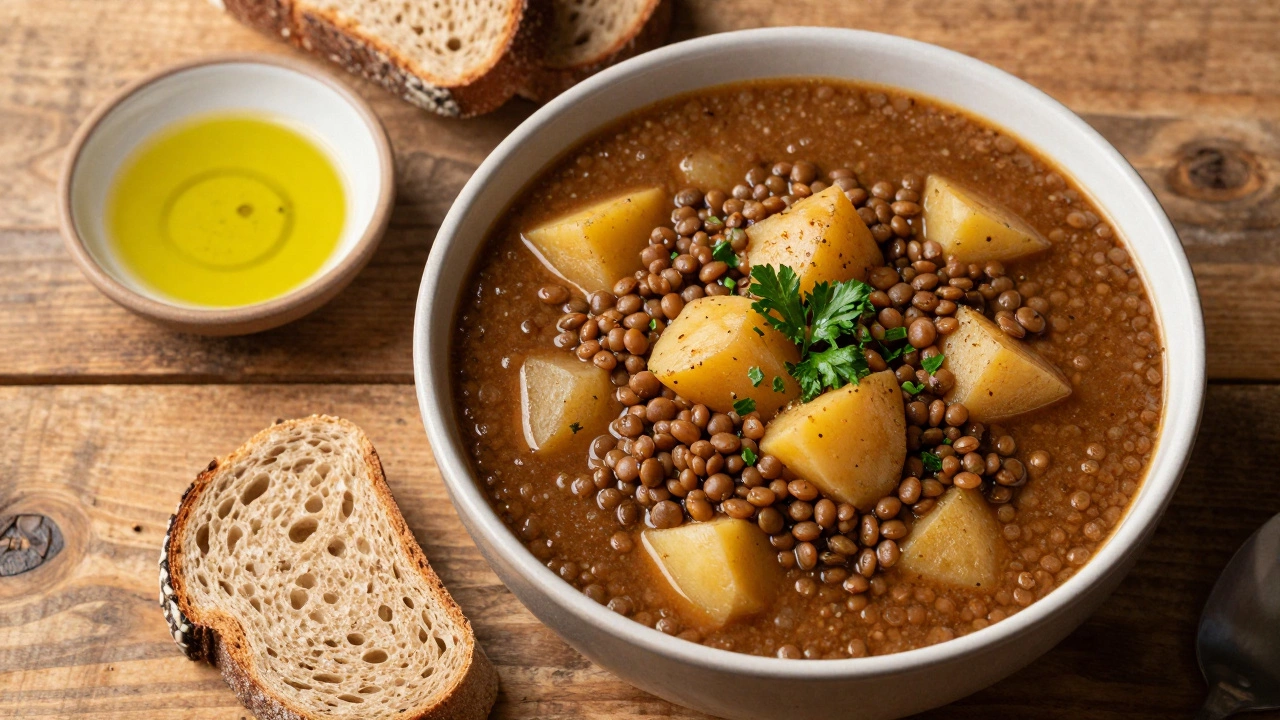
Here is a concrete example of this formula in action: A "Lentil and Potato Stew." You buy a bag of dried brown lentils, a few large russet potatoes, an onion, and some carrots. You chop everything up, throw it in a pot with water, salt, pepper, and maybe a teaspoon of cumin or paprika if you have it. Simmer for 30 minutes. The result is a thick, hearty stew that provides complete amino acids (when lentils and grains/potatoes are combined), immense fiber, and essential vitamins. The cost per bowl is likely under $1.50 AUD. That is hard to beat.
Shopping Smart: Where the Savings Happen
Even the best recipe fails if you shop poorly. The difference between a healthy diet and an expensive one often comes down to three factors: seasonality, form (fresh vs. frozen/dried), and store choice.
In Australia, seasonal produce is king. Buying strawberries in winter is expensive and they taste like water. Buying apples in autumn? They’re crisp, sweet, and cheap. Always check the local markets or the discount sections of supermarkets like Aldi, Woolworths, or Coles. Look for the yellow stickers. These discounted items are often just past their prime visually but are perfectly fine to cook with. Bruised bananas make amazing banana bread. Wilted spinach wilts further when cooked into a soup, so no flavor is lost.
Frozen vegetables are another secret weapon. Many people believe fresh is always better. While fresh is great, frozen vegetables are picked at peak ripeness and flash-frozen, locking in nutrients. They are often cheaper than fresh counterparts, especially out of season. A bag of frozen mixed vegetables (peas, corn, carrots) is a pantry staple that adds color and crunch to any cheap meal without the risk of spoilage.
Dry goods are the backbone of budget cooking. Flour, rice, pasta, oats, and dried beans last for months. They don’t rot in the back of the cupboard. By buying these in bulk, you reduce the "waste tax"-the money you lose when fresh food goes bad before you can eat it. Planning meals around dry goods ensures you always have a fallback option that is both healthy and affordable.
Top 5 Cheapest Healthy Meals You Can Make Today
Now that we understand the principles, let’s get practical. Here are five specific meals that are nutritious, filling, and incredibly cheap. These are not "starvation diets"; these are real meals that fuel your day.
- Lentil Soup with Bread: Sauté onions and garlic in a little oil. Add dried red lentils, vegetable broth (or water with bouillon cubes), and diced tomatoes. Simmer until soft. Serve with a slice of whole-grain toast. Rich in iron and fiber.
- Oatmeal with Peanut Butter and Banana: Overnight oats or cooked oatmeal topped with a tablespoon of peanut butter and sliced banana. This provides slow-release carbs, healthy fats, and potassium. Perfect for breakfast or a light lunch.
- Egg Fried Rice: Use leftover cold rice. Scramble two eggs in a pan, add frozen peas and carrots, soy sauce, and sesame oil. Mix it all together. It’s quick, uses leftovers, and packs a protein punch.
- Chickpea Salad Sandwich: Mash a can of chickpeas with a little mustard, lemon juice, and chopped celery or cucumber. Spread on wholemeal bread. It’s a great alternative to tuna salad without the fishy smell or higher cost.
- Baked Potato with Tuna or Beans: Bake a large potato. Top with canned tuna in water (drained) or baked beans. Add a sprinkle of cheese if you can afford it. Simple, classic, and deeply satisfying.
Each of these meals relies on shelf-stable or low-cost ingredients. They require minimal equipment-a pot, a pan, or even just a microwave. The key is variety. Eating lentil soup every day will get boring, so rotate through these options to ensure you get a wide range of micronutrients.
Common Pitfalls to Avoid
When trying to eat cheaply, it’s easy to fall into traps that hurt your health or your wallet. One major pitfall is relying too heavily on refined carbohydrates. White bread, white rice, and sugary cereals are cheap, but they lack fiber and nutrients. They spike your blood sugar and leave you craving more. Always opt for whole grains whenever possible. Brown rice over white, whole wheat pasta over regular. The price difference is negligible, but the health benefit is significant.
Another mistake is ignoring hydration. Sometimes thirst masks itself as hunger. Drinking enough water is free and helps your body process nutrients efficiently. Also, beware of "healthy" processed foods. Granola bars, flavored yogurts, and packaged salads can be surprisingly expensive and loaded with added sugars. Making your own versions at home is almost always cheaper and healthier.
Finally, don’t underestimate the power of spices. Salt and pepper are basics, but adding turmeric, cumin, chili flakes, or garlic powder can transform a bland dish into something exciting. Spices are inexpensive when bought in bulk and last a long time. They prevent "food fatigue," which is the number one reason people abandon healthy eating plans and revert to fast food.
Meal Prepping on a Budget
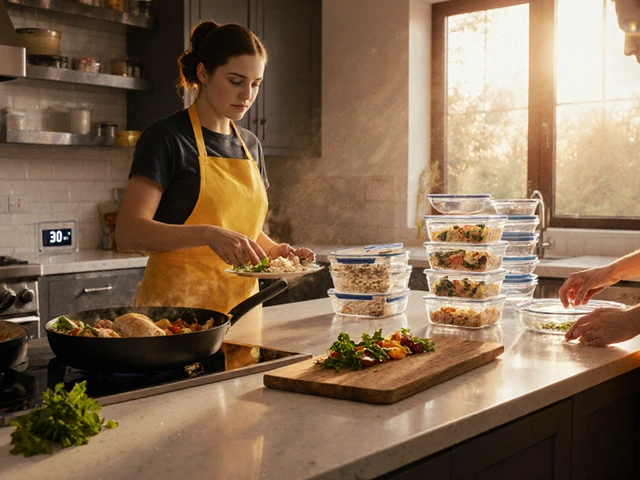
If you want to maximize savings, meal prep is non-negotiable. Cooking in batches reduces energy costs and prevents the temptation to order takeout when you’re tired. On Sunday, spend an hour cooking a large batch of rice, boiling a dozen eggs, and roasting a tray of vegetables. Store them in separate containers.
During the week, assemble meals quickly. Grab a container of rice, add some roasted veggies, top with an egg and a spoonful of hummus. Done. This method takes the decision-making out of dinner. You know exactly what you’re eating, how much it cost, and that it’s nutritious. Plus, having ready-to-eat food at home saves you from the $20+ impulse buys at convenience stores.
Remember, the cheapest healthiest meal isn’t a single magical ingredient. It’s a mindset. It’s about respecting your food, minimizing waste, and choosing nutrient-dense staples that stretch far. With a little planning and creativity, you can eat well, feel great, and keep your finances healthy too.
What is the single cheapest healthy food to buy?
Dried lentils and beans are typically the cheapest healthy foods per calorie and per gram of protein. In Australia, you can often find dried lentils for under $4 per kilogram. They provide substantial fiber and protein, making them extremely cost-effective for building balanced meals.
Can I get enough protein on a very tight budget?
Yes, absolutely. Eggs, lentils, chickpeas, black beans, and tofu are excellent sources of affordable protein. Chicken thighs are also cheaper than breasts and provide good protein. By combining plant proteins with grains (like rice and beans), you get a complete amino acid profile without spending a lot on meat.
Are frozen vegetables really as healthy as fresh ones?
Yes, frozen vegetables are often just as nutritious, if not more so, than fresh ones. They are harvested at peak ripeness and frozen immediately, which preserves vitamins and minerals. Fresh vegetables can lose nutrients during transport and storage. Frozen options are also usually cheaper and do not spoil quickly.
How can I save money on groceries in Melbourne?
Shop at discount supermarkets like Aldi or Hardys. Visit local markets late in the day for discounts on perishables. Buy seasonal produce, choose store brands over name brands, and purchase dry goods in bulk. Always plan your meals around sales and use coupons or loyalty programs offered by major chains.
Is eating cheap food unhealthy?
Not necessarily. Many of the most nutrient-dense foods, such as oats, lentils, eggs, and seasonal fruits and vegetables, are very affordable. Unhealthy eating is often associated with highly processed, convenient foods which can be expensive. With proper planning, a healthy diet can be significantly cheaper than a diet reliant on fast food and processed snacks.