Eco-Friendly Materials Guide: What’s Actually Green?
Discover which materials truly help the planet. We compare cotton, bamboo, plastic, and more to reveal the hidden costs of common eco-friendly claims.
Oct 12 2026Want to cut waste, save money, and feel good about your choices? You don’t need a massive overhaul. Small, consistent actions add up, and most of them are simple enough to fit into your daily routine.
Start with the things you touch most. Switch disposable kitchen wipes for a reusable cloth. Wash it after each use and you’ll see less trash piling up. When you shop, grab a sturdy tote instead of a plastic bag – most stores let you bring one for free.
Energy use is another low‑effort win. Unplug chargers when they’re not charging a device. Those tiny vampires eat electricity even when the phone looks dead. Swapping an old incandescent bulb for an LED saves about $75 a year on the electric bill and cuts carbon emissions.
Cleaning products can be greener without breaking the bank. A mix of vinegar, baking soda, and water works great on most surfaces. It’s cheap, non‑toxic, and you avoid the “green” label hype that sometimes hides harsh chemicals.
Clothes are a hidden source of waste. Look for brands that use low‑toxicity fabrics like organic cotton, hemp, or Tencel. These materials need fewer chemicals to grow and break down faster when they’re finally tossed.
Buy less, but buy smarter. Check if a label mentions “ethical” or “slow fashion.” Those terms usually mean the brand cares about the people who make the garments and the planet. A well‑made shirt can last years, cutting the cycle of fast‑fashion waste.
When you need something new, try second‑hand shops or online resale platforms. You’ll find unique pieces, pay less, and keep clothes out of the landfill. Plus, swapping clothes with friends is a fun way to refresh your wardrobe without spending a cent.
Understanding the difference between “green” and “eco‑friendly” helps you spot real benefits. Green often refers to a product’s overall impact, while eco‑friendly focuses on specific features like recyclable packaging. Knowing the nuance lets you compare items more accurately.
Things aren’t always perfect. Some eco‑friendly products come with a higher price tag or confusing labels. Always read the ingredient list or material info. If a product claims to be ‘green’ but still uses plastic packaging, you’ve probably missed a better option.
Lastly, track your progress. Keep a small notebook or phone note of swaps you’ve made. Seeing the list grow gives a boost of motivation and helps you spot new areas to improve.
These tips are a starting point, not a finish line. Sustainable living is a journey, and every honest effort counts. Keep experimenting, stay curious, and enjoy the perks of a greener, cleaner life.
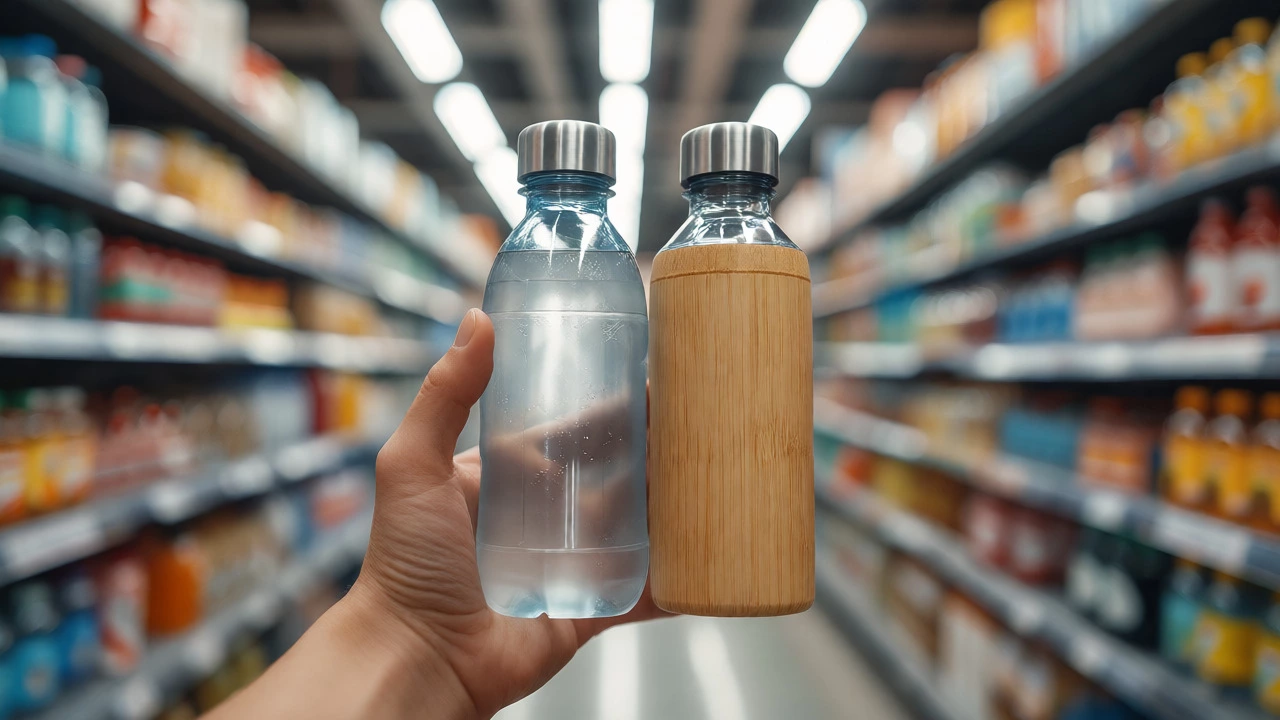
Discover which materials truly help the planet. We compare cotton, bamboo, plastic, and more to reveal the hidden costs of common eco-friendly claims.
Oct 12 2026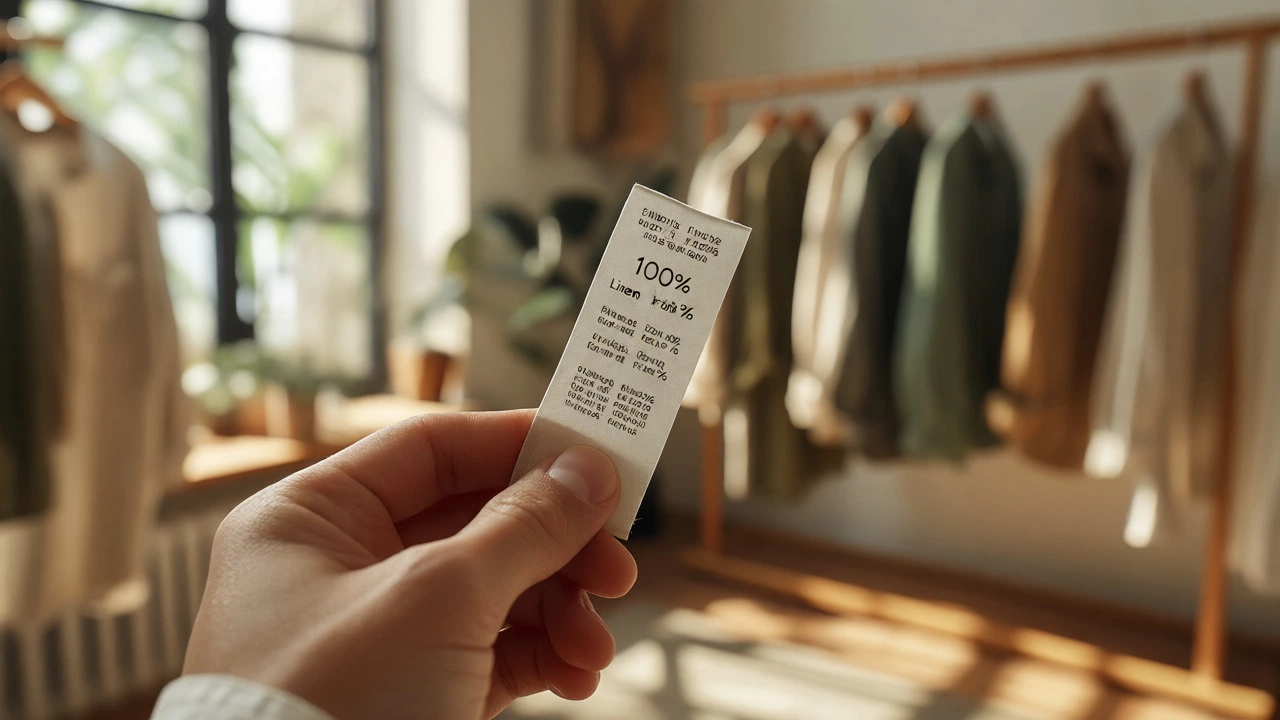
Discover how to verify if your clothes are truly sustainable by checking fabric types, certifications, and brand transparency. Learn to spot greenwashing and make smarter, eco-friendly fashion choices.
Oct 1 2026
Discover which generation truly pollutes the most. We analyze carbon footprints across Boomers, Millennials, and Gen Z, revealing how income, housing, and fast fashion drive emissions differently.
Sep 27 2026
Discover why H&M's fast fashion model harms the planet despite green initiatives. Learn about greenwashing, textile waste, and how to shop smarter.
Sep 13 2026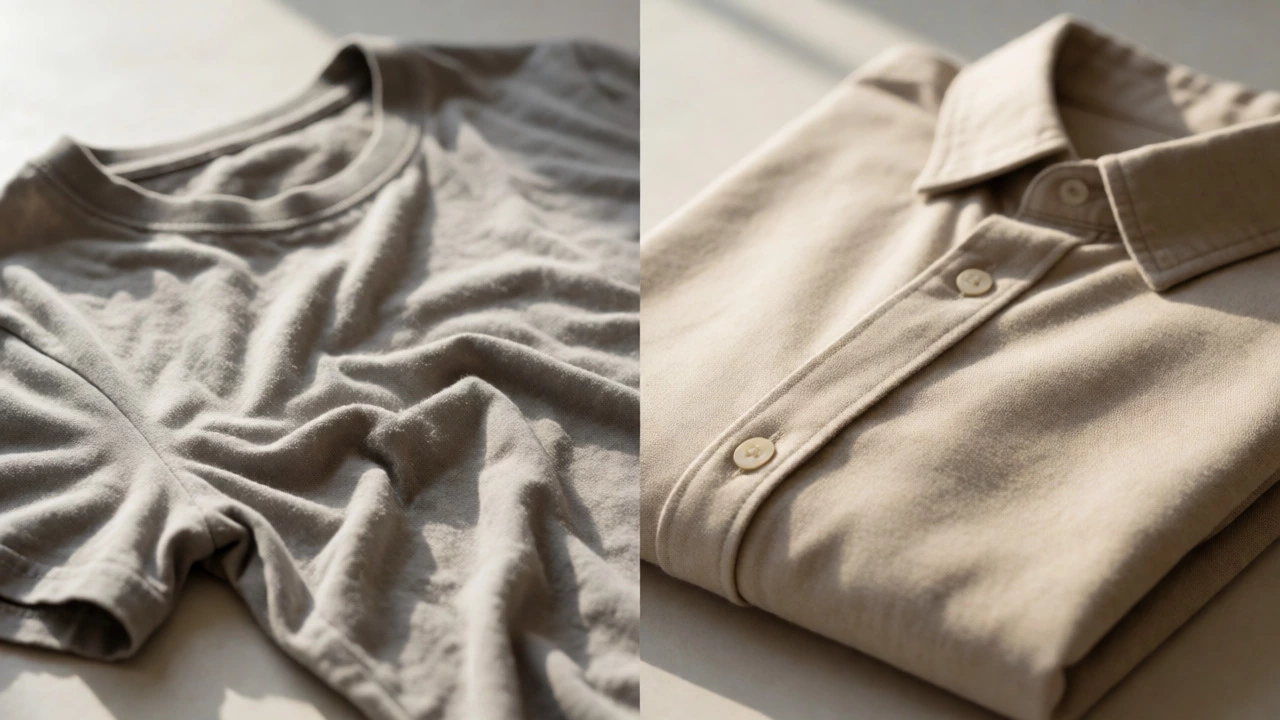
Discover why sustainable fashion costs more and learn how to build an ethical wardrobe on any budget. We break down cost-per-wear math, greenwashing traps, and practical tips for affordable eco-friendly style.
Aug 31 2026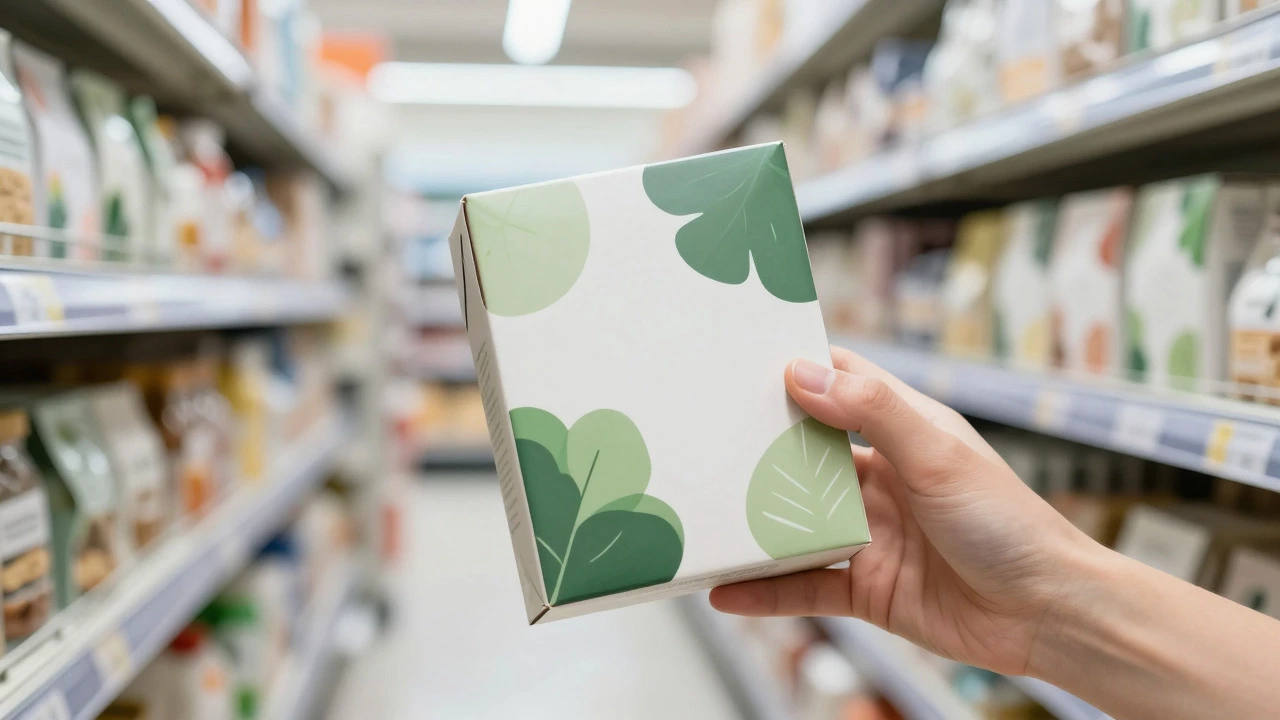
Discover how to identify truly eco-friendly companies. Learn to spot greenwashing, compare key certifications like B Corp and Fair Trade, and find sustainable brands in food, fashion, and home goods.
Aug 17 2026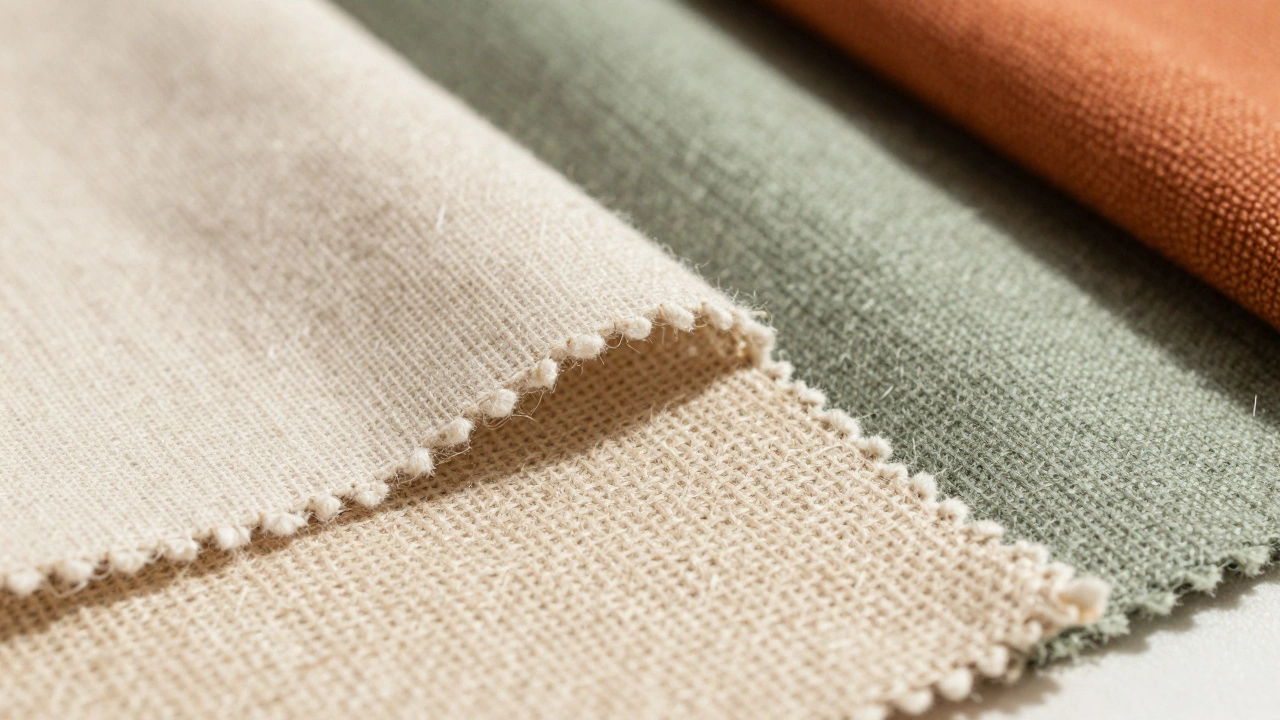
Discover what sustainable clothing really looks like beyond marketing hype. Learn to identify eco-friendly fabrics, spot greenwashing, and build a durable, ethical wardrobe that lasts.
May 17 2026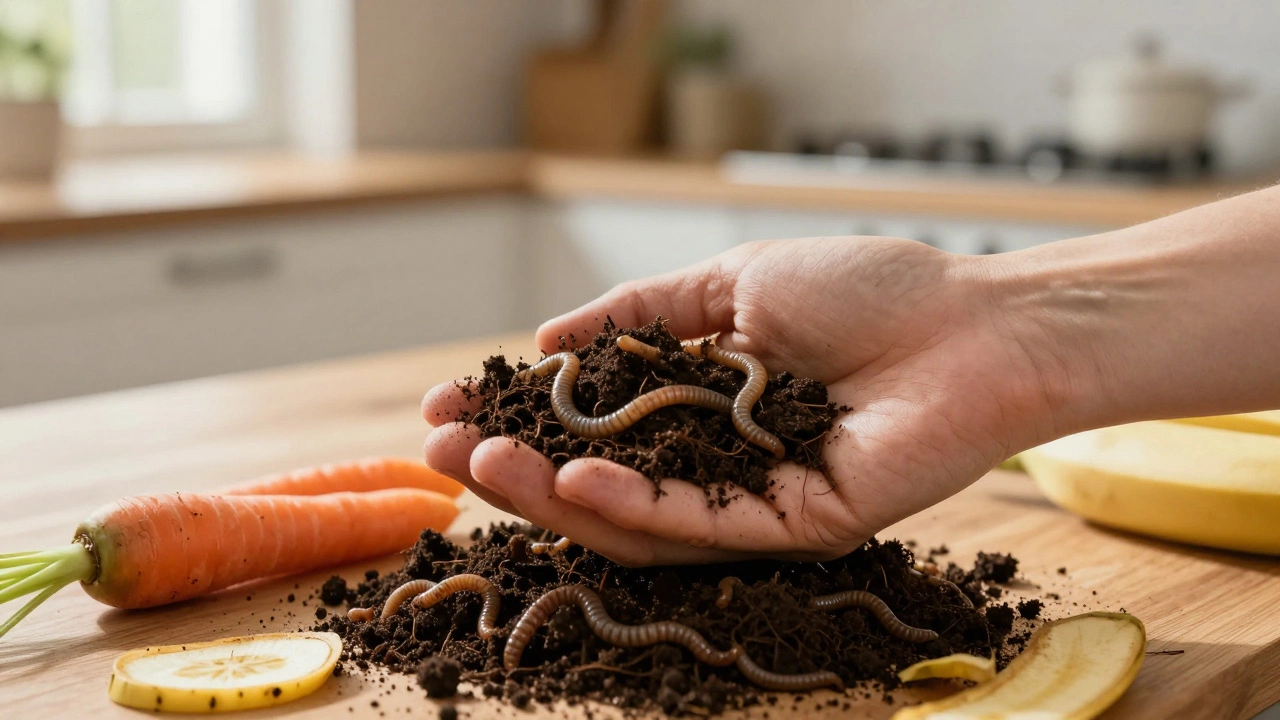
Discover three simple eco-friendly activities to reduce your environmental impact: home composting, plant-forward eating, and conscious consumption. Learn how small changes lead to big results.
May 4 2026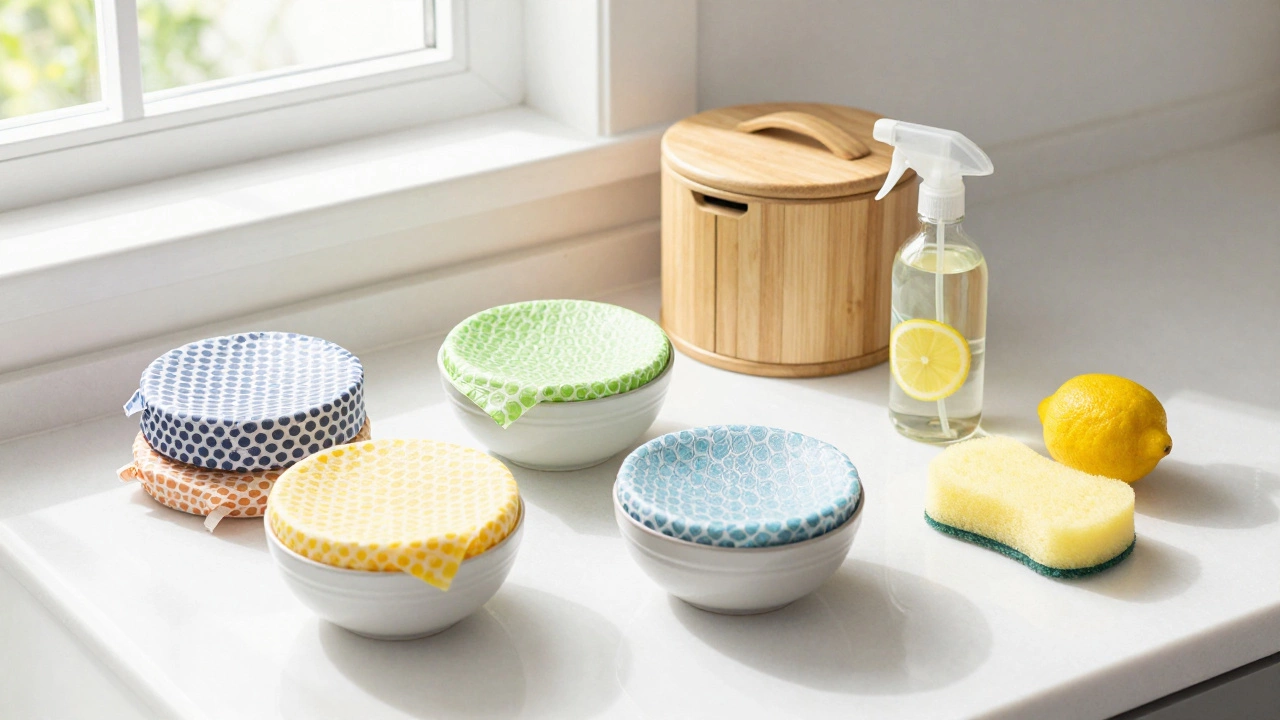
Learn how to be more eco-friendly at home with practical tips on waste reduction, energy efficiency, and sustainable product swaps that save money and the planet.
Apr 30 2026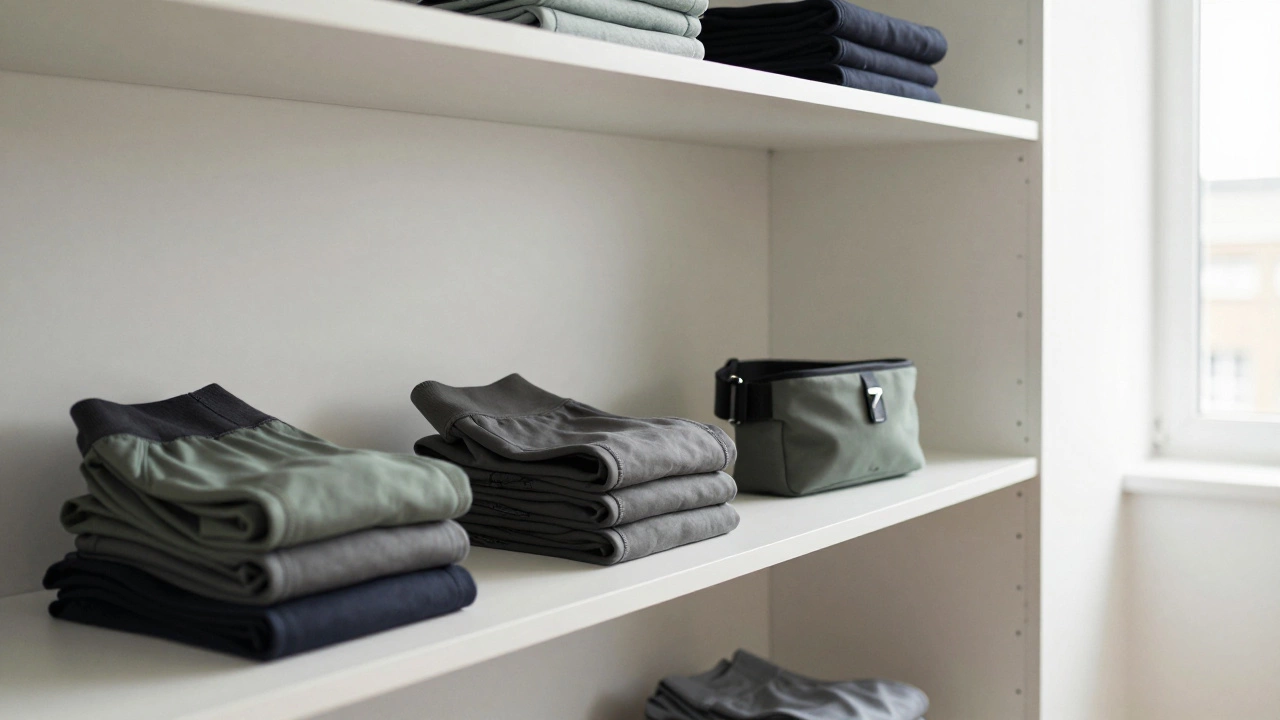
Is Lululemon fast fashion? Explore the truth about their materials, labor practices, and sustainability efforts in this deep dive into the athletic wear giant.
Apr 16 2026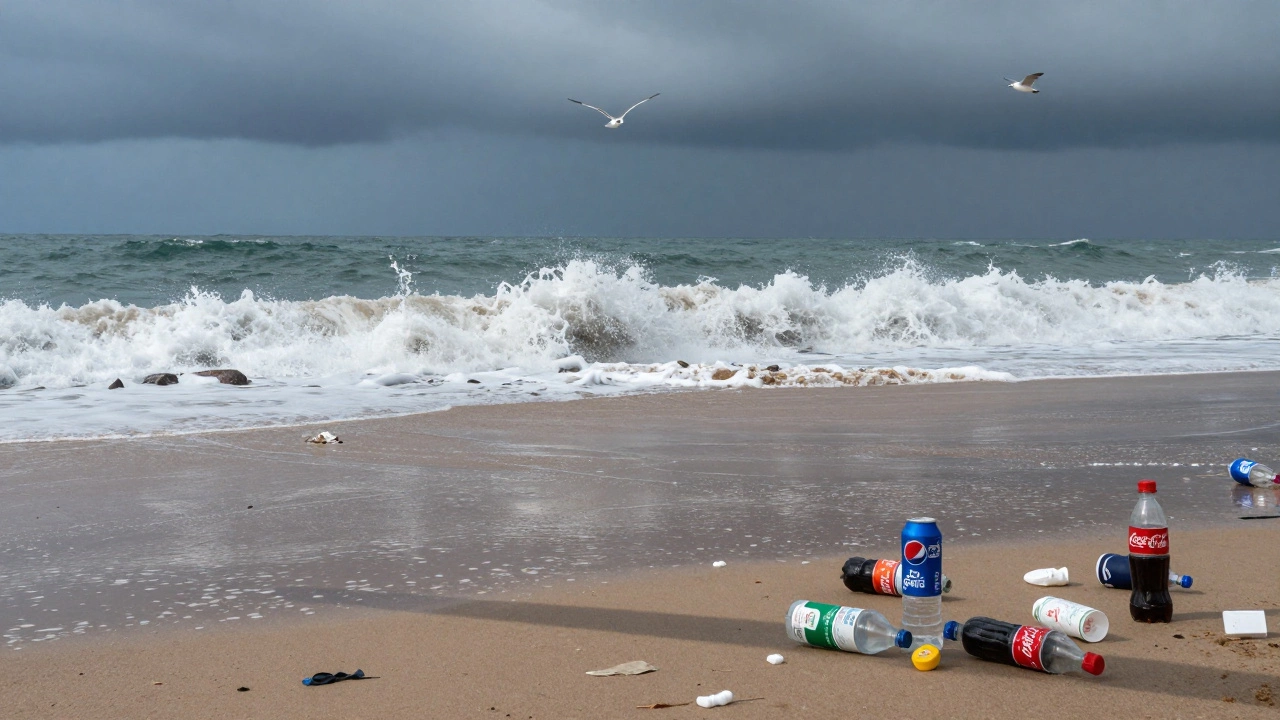
The biggest plastic polluter isn't individuals-it's corporations like Coca-Cola, PepsiCo, and Nestlé, producing billions of single-use plastic packages annually. Discover who's really responsible and what you can do about it.
Mar 19 2026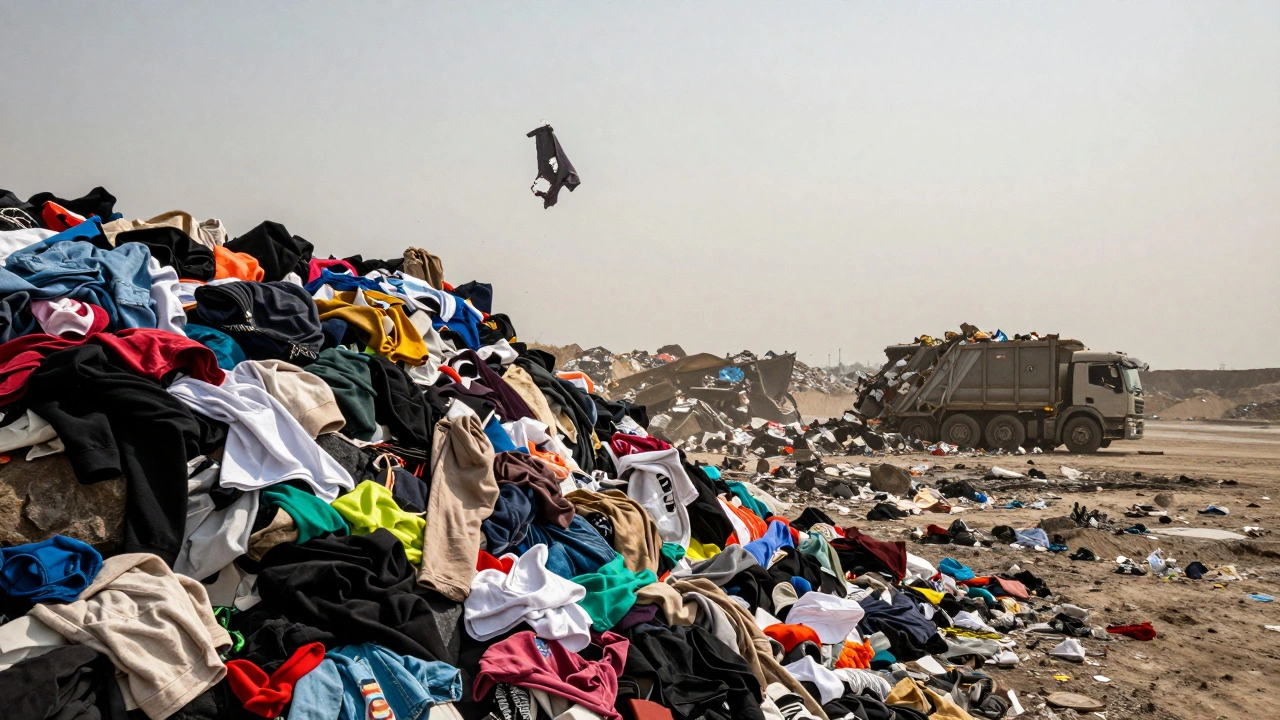
Sustainable fashion isn’t just about eco-friendly fabrics-it’s a system built on waste, exploitation, and greenwashing. From water waste to microplastics and unfair labor, the real cost of cheap clothes is hidden. Here’s why it’s a crisis we can’t ignore.
Feb 23 2026